Home Inspector Chestnut Hill, PA | Home Inspection & Mold Testing
All Seasons provides professional home inspections and PRO-LAB certified mold testing in Chestnut Hill, Philadelphia County. InterNACHI-certified owner-operator Bob personally performs every inspection — 20+ years experience, 4.9 stars on Google, 24-hour reports. Home inspections from $325, mold testing from $290. Call 610-348-6728 for a free estimate.
Chestnut Hill, Philadelphia County
What home inspection and mold testing services are available in Chestnut Hill?
Germantown Avenue climbs the ridge through Chestnut Hill on Belgian block, and nearly everything about the housing stock here follows that grade. Stone twins and singles built from Wissahickon schist step down the side streets off the avenue, along Rex Avenue, Hartwell Lane, Southampton Avenue, Seminole Avenue, and Mermaid Lane, while the Woodward rental houses near Lincoln Drive and West Willow Grove Avenue carry English cottage and French Norman detailing that has been maintained, altered, and altered again for a century. The two commuter lines that bracket the neighborhood set the building pattern early. Blocks near Highland Station and Gravers Lane Station filled in through the 1880s and 1890s, and later Colonial Revival and Tudor houses spread toward Bethlehem Pike and Stenton Avenue in the 1920s and 1930s. On the western edge the ground drops hard toward Wissahickon Valley Park and Cresheim Valley Drive, and that slope is the single biggest variable in how a basement here behaves after a heavy rain. Most of these houses sit on stone or rubble foundations laid up in lime mortar, over original clay drainage tile that is now well past its service life. Slate roofs and copper gutters are common and largely original. Interiors are plaster and lath over wood framing, with lead paint buried under later coats on trim and window sash. Add three or four rounds of renovation, kitchens opened up, third floors converted on the streets around Pastorius Park and the Water Tower Recreation Center, coal chutes sealed off and forgotten, and you get a housing stock that rewards a careful inspection and punishes a fast one.
The thing I see over and over in Chestnut Hill is a beautiful stone house with a basement that quietly stays damp. Water comes off the ridge, runs toward the Wissahickon, and finds the porous schist and the lime mortar joints on the way down. The stone wicks it up, the old clay lateral under the front yard is cracked or root bound, and the lower level someone finished in the 1990s hides all of it behind drywall and carpet. That is exactly why I do all three services myself. When a home inspection on Seminole Avenue or off Willow Grove Avenue turns up a musty finished basement, or blown insulation packed over knob-and-tube that is still energized, I can pull mold samples and set air cassettes on that same visit instead of sending you off to hire a second company and wait another week for a second appointment. Air quality testing earns its keep here for the same reasons: lead paint dust off original sash and trim, coal dust left behind in old basements, and converted attics with almost no ventilation. I have been inspecting homes in this part of Northwest Philadelphia for more than 20 years, and I work the same way here as I do down the avenue in Mt. Airy. One inspector, one report, and a phone call afterward to tell you what actually matters and what is just a century-old house being a century-old house. Call Bob at 610-348-6728 to get on the schedule.
What does a home inspection in Chestnut Hill include?
Bob approaches every Chestnut Hill inspection per ASHI and InterNACHI Standards of Practice. With 1880s–1940s housing stock dominant in Chestnut Hill, Bob pays particular attention to the era-specific issues that affect late 19th and early 20th century construction in Philadelphia County.
Stone & Rubble Foundations
Pre-1920 homes commonly have stone or rubble foundations with lime mortar joints that deteriorate over a century of exposure. Bob checks for shifting stones, mortar erosion, water seepage pathways, and structural settlement that can indicate foundation movement requiring professional stabilization.
Knob-and-Tube Wiring & Gas Pipe Conversions
Original knob-and-tube wiring is one of the most critical findings in pre-1920 homes — especially when insulation has been blown over active K&T, creating a fire hazard. Bob also evaluates gas pipe conversions from original coal or oil systems, checking for visible defects and venting problems.
Original Slate Roofs & Historic Exteriors
Many pre-1920 homes retain original slate or clay tile roofs that, while durable, require specialized maintenance. Bob inspects for cracked or missing slates, deteriorating flashing, and aging copper gutters — plus original wood siding, decorative trim, and masonry that may show a century of weathering.
Lead Paint, Plaster Walls & Coal Chute Remnants
Original plaster-and-lath walls, lead paint on trim and windows, and sealed coal chute openings are hallmarks of pre-1920 construction. Bob documents these conditions and evaluates whether past renovations addressed or inadvertently worsened historical hazards.
How does mold testing work in Chestnut Hill?
Pre-1920 homes are among the highest-risk properties for mold growth due to stone foundations that wick moisture, lime mortar joints that crack over time, and original drainage systems that predate modern waterproofing.
Porous stone foundations with no vapor barrier allowing constant moisture migration
Original clay drainage tiles that crack and clog, directing water toward the foundation
Lime mortar repointing gaps that create moisture entry points
Unventilated basement spaces with earth or deteriorating concrete floors
Clear Results & Honest Recommendations
Bob walks you through exactly what the lab results mean — no jargon, no panic. All samples go to a PRO-LAB certified lab with results in 2-3 days. Mold testing starts at $290.
What are common issues in Chestnut Hill homes?
Based on 20+ years inspecting late 19th and early 20th century homes in Philadelphia County, these are the issues Bob finds most often in Chestnut Hill's 1880s–1940s housing stock:
- Knob-and-tube wiring still energized behind walls and under blown insulation
- Stone foundation moisture intrusion and mortar joint deterioration
- Lead paint on original trim, windows, and exterior surfaces
- Gas pipe conversions from original coal or oil systems with improper venting
- Original clay sewer laterals with root intrusion and bellied sections
- Aging slate or clay tile roofs with deteriorating flashing
Schedule in Chestnut Hill
Same-week appointments available. Bob personally performs every inspection — you always know who's walking through your home.
610-348-67287 days, 7am–midnight • Urgent pre-closing available
Get a Free EstimateServices Available in Chestnut Hill
- Residential Home Inspection
- Mold Testing & Air Quality
- Radon Testing
- Pre-Listing Inspection
- New Construction Inspection
- WDI / Termite Inspection
- 11-Month Warranty Inspection
Pricing for Chestnut Hill
Every home is different. Call Bob for your specific quote — he'll give you an honest number on the spot.
See Full Pricing Details →Detailed Chestnut Hill Service Pages
From the Field
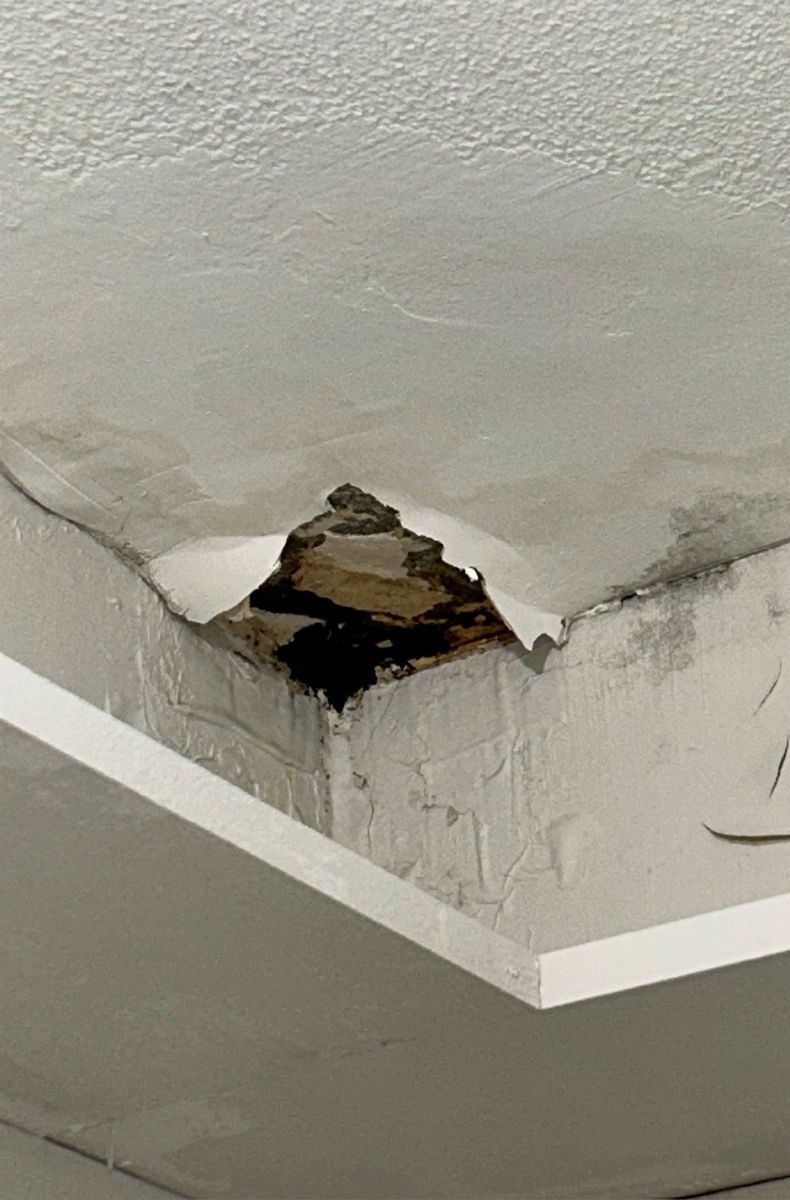
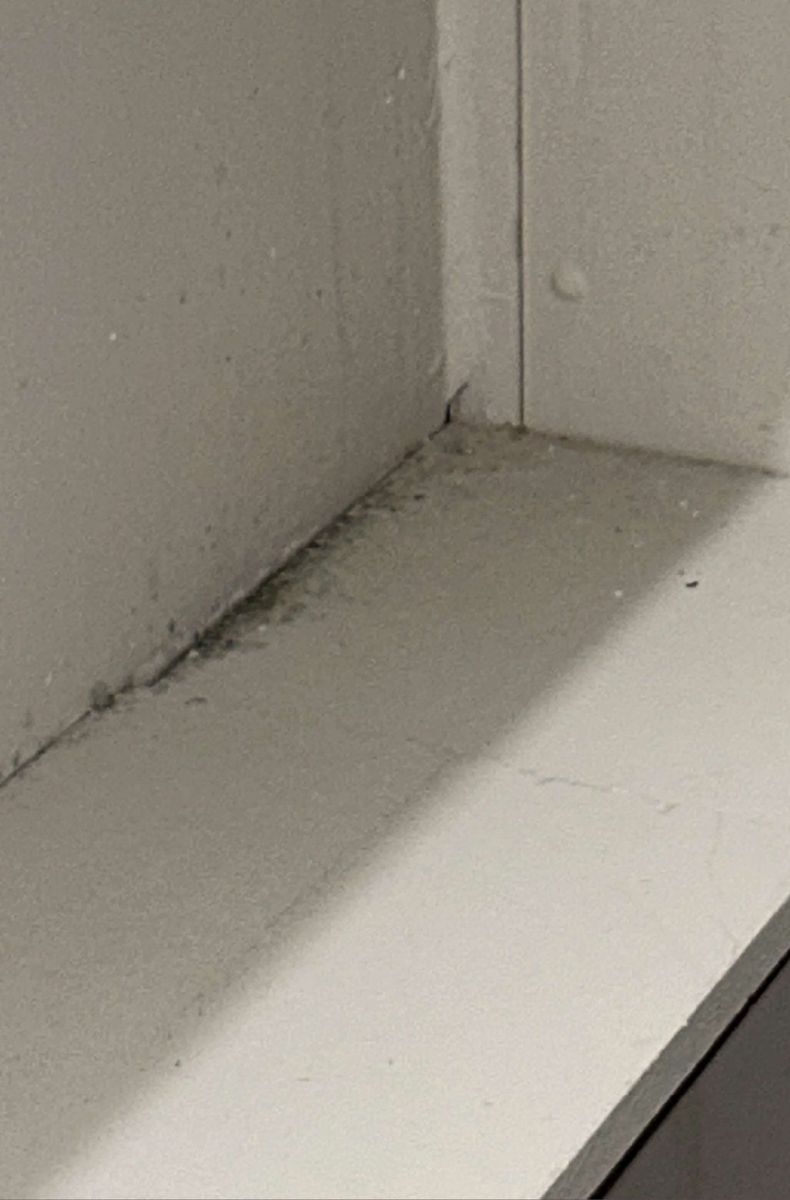
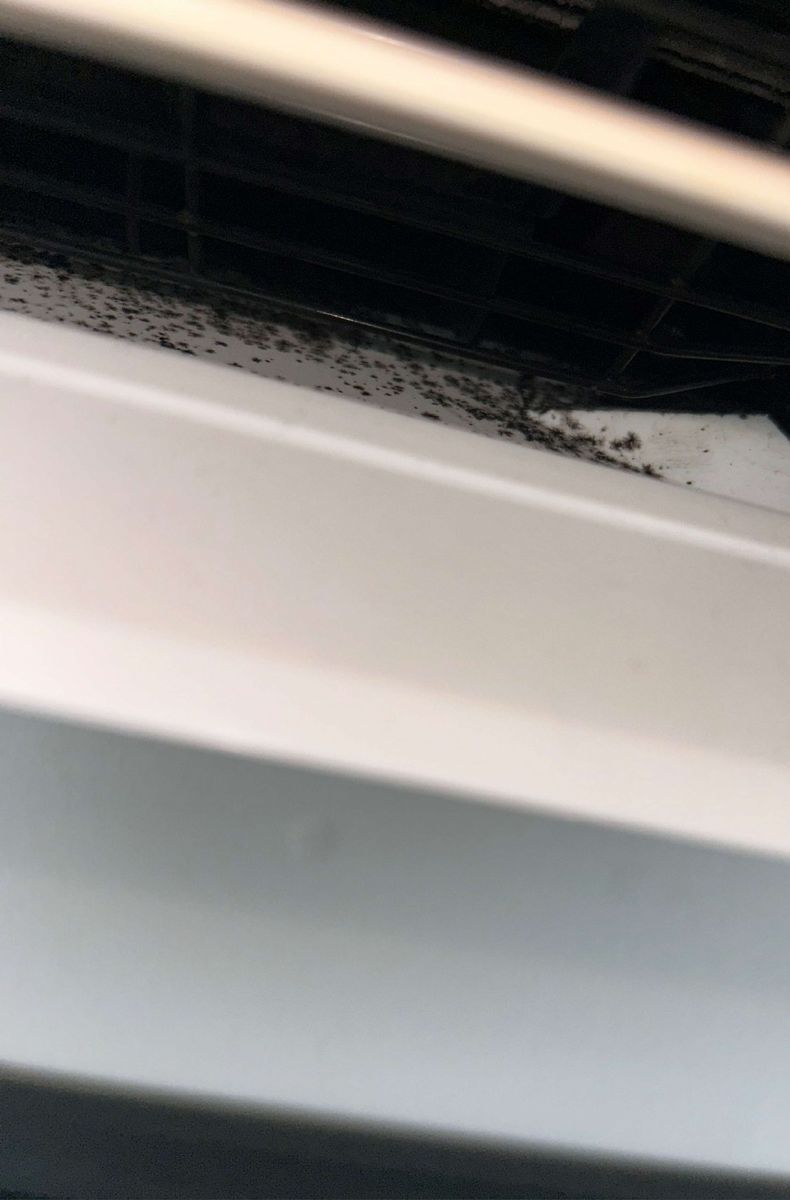
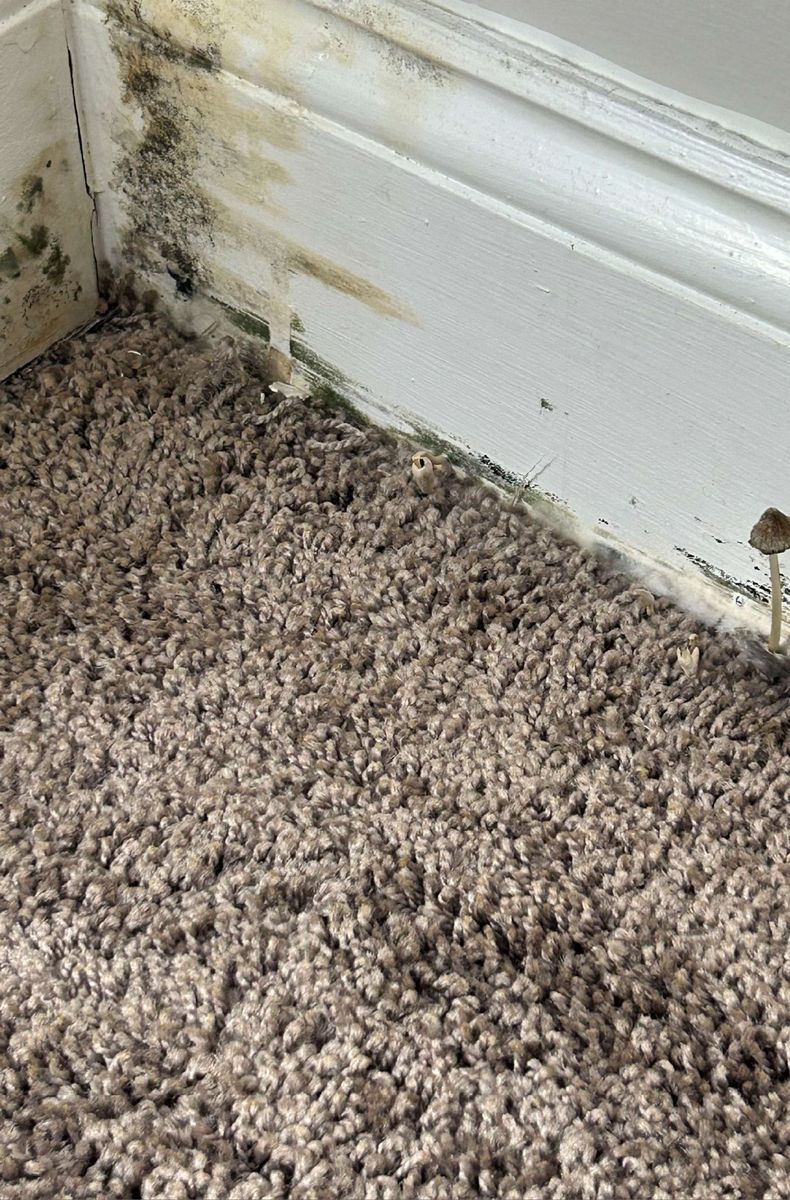
From a recent Chestnut Hill inspection
Real findings Bob documented on the job in Chestnut Hill — the detail that goes in your photo-rich report, delivered within 24 hours.
Why Choose Bob
Why do Chestnut Hill homeowners choose All Seasons?
You Always Get Bob
When you hire All Seasons, Bob personally performs your inspection — start to finish. No corporate dispatch, no unknown inspector. You know exactly who's walking through your Chestnut Hill home.
InterNACHI Certified
InterNACHI Certified Professional Inspector with 20+ years of specialized expertise in Philadelphia County's 1880s–1940s housing stock.
24-Hour Reports
Your detailed, photo-rich inspection report delivered within 24 hours. No waiting — so you can make decisions within your contract timeline.
Late 19th and early 20th century Expertise
Bob has inspected pre-1920 homes across the Philadelphia region for more than 20 years and understands their unique construction — from rubble stone foundations to knob-and-tube wiring to original slate roofs. He knows where these homes hide problems and what's normal aging versus what needs immediate attention.
Get in Touch
How do I schedule an inspection in Chestnut Hill?
Same-week appointments available throughout the Philadelphia region.
Tell Us About Your Property
Bob returns every call and books your date within 24 hours. Inspections typically scheduled within the week. No spam, no email lists.
Common Questions
What are common home inspection questions in Chestnut Hill?
Questions buyers and sellers in Chestnut Hill ask us most often — answered directly.