Mold Inspection & Testing in Chestnut Hill, PA
All Seasons provides professional mold inspection and testing in Chestnut Hill, Philadelphia County, PA. PRO-LAB certified lab results in 2-3 days with clear interpretation. Owner-operator Bob personally collects every sample — 20+ years experience, no conflict of interest. Starting from $290. Call 610-348-6728 for a free estimate.
Chestnut Hill, Philadelphia County, PA
How does mold testing work in Chestnut Hill?
Chestnut Hill occupies the northwest corner of Philadelphia in ZIP 19118, a National Historic District where Germantown Avenue climbs through a dense corridor of Wissahickon schist stone singles, estate-scale twins, and Victorian carriage houses that were built between the 1880s and 1930s for the city's most established families. The housing stock along Norwood Avenue, West Moreland Avenue, West Southampton Avenue, Rex Avenue, and Evergreen Avenue reads like a catalog of late-19th-century institutional craftsmanship: slate roofs with copper valleys, leaded-glass casements, hand-hewn timber framing, and rubble-stone foundations set directly on natural grade with no vapor barrier between the stone and the earth. It is exactly that construction quality that creates persistent mold risk. Wissahickon schist is porous by nature, and in a neighborhood bordered to the west by the Wissahickon Creek gorge and Fairmount Park, the water table is never far from a basement floor. The creek's watershed sends seasonal moisture through the hillside soils and directly into foundation walls along Cresheim Valley Drive and the streets that descend toward Valley Green. Morris Arboretum of the University of Pennsylvania anchors the north end of the neighborhood, and Pastorius Park sits mid-block; both green spaces contribute to the elevated ambient humidity that keeps relative moisture levels high throughout the growing season. Institutions like Chestnut Hill Hospital, Chestnut Hill College, Chestnut Hill Academy, and Springside Chestnut Hill Academy draw steady buyer demand to the corridor, which means homes change hands regularly and mold conditions that have been quietly developing behind plaster walls for decades suddenly become someone else's problem at settlement. Pre-1920 stone homes in this neighborhood face the highest baseline risk: porous foundations with no vapor barrier allow constant moisture migration, original clay drainage tiles crack and clog over time directing water toward the footings, lime mortar repointing gaps open entry points along every course, and unventilated basement spaces with earth or deteriorating concrete floors create the dark, damp environment that mold colonies require to establish and spread.
I have been running mold inspections in Chestnut Hill for more than twenty years, and the pattern I see on nearly every block is the same: a beautiful stone exterior, a well-maintained Germantown Avenue facade, and a basement or attic that has been quietly accumulating moisture problems since before anyone alive in the house was born. These are not simple resales. They are century-old structures with original drainage, original ventilation strategies, and foundation walls that were never designed to stay dry in the way we expect today. When I inspect a mold-testing job in 19118, I collect calibrated air samples from the basement, the attic or crawl space, and the HVAC return zones where spores concentrate when the system cycles. I also pull an outdoor baseline sample at the same time so the PRO-LAB report reflects actual indoor-to-outdoor spore ratios rather than raw counts that could be misread without context. Every sample goes to PRO-LAB, a certified mold laboratory, and results come back in 2 to 3 business days. I do this work myself on every job -- no rotating technicians, no subcontractors. Buyers along Norwood, Rex, and West Southampton need to know whether the musty smell in a lower-level study is surface condensation or an active Cladosporium or Stachybotrys colony behind the original stone plaster. Sellers benefit from the same information before a buyer's inspector raises a flag they cannot explain. If you are also looking at homes across the neighborhood line in Mt. Airy, the stone construction era overlaps and the same moisture risks apply. Bob walks every client through the lab results in plain language -- what the spore counts mean, whether remediation is needed, and who to call if it is. No jargon, no scare tactics. Call 610-348-6728 to schedule.
Why are Chestnut Hill's 1880s–1940s homes at risk for mold?
Pre-1920 homes are among the highest-risk properties for mold growth due to stone foundations that wick moisture, lime mortar joints that crack over time, and original drainage systems that predate modern waterproofing.
Porous stone foundations with no vapor barrier allowing constant moisture migration
Original clay drainage tiles that crack and clog, directing water toward the foundation
Lime mortar repointing gaps that create moisture entry points
Unventilated basement spaces with earth or deteriorating concrete floors
How does Bob test for mold in Chestnut Hill?
Bob follows a systematic approach calibrated to the specific risks of late 19th and early 20th century construction in Philadelphia County. All sampling protocols follow EPA mold testing guidelines:
Indoor Air Quality Sampling
Bob collects air samples from areas of concern and compares them against outdoor baseline readings. This comparison reveals whether indoor mold levels are elevated beyond what's normal for the environment.
PRO-LAB Certified Lab Analysis
All samples go to a PRO-LAB certified laboratory — the gold standard in environmental testing. Results return in 2-3 business days with a full written interpretation.
Clear Results & Honest Recommendations
Bob walks you through exactly what the lab results mean — no jargon, no panic. If remediation is needed, he'll explain what's involved so you can make informed decisions.
What are common issues in Chestnut Hill homes?
Based on 20+ years testing late 19th and early 20th century homes in Philadelphia County, these are the issues Bob finds most often:
- Knob-and-tube wiring still energized behind walls and under blown insulation
- Stone foundation moisture intrusion and mortar joint deterioration
- Lead paint on original trim, windows, and exterior surfaces
- Gas pipe conversions from original coal or oil systems with improper venting
- Original clay sewer laterals with root intrusion and bellied sections
- Aging slate or clay tile roofs with deteriorating flashing
Also Available: Home Inspection in Chestnut Hill
In addition to mold testing, Bob provides comprehensive home inspections for Chestnut Hill properties. InterNACHI certified, starting from $325.
Learn About Home Inspection in Chestnut HillSchedule Mold Testing in Chestnut Hill
Same-week appointments available. Bob personally collects every sample — you always know who's in your home.
610-348-67287 days, 7am–midnight
Get a Free EstimateServices Available in Chestnut Hill
- Air Sampling
- Surface / Bulk Sampling
- Visual Mold Assessment
- Pre / Post-Remediation Testing
Mold Testing Pricing
Every property is different. Call Bob for your specific quote — he'll give you an honest number on the spot.
See Full Pricing Details →More Chestnut Hill Pages
Nearby Areas Also Served
Chestnut Hill is one of the Philadelphia County communities Bob covers. For the wider picture of how mold testing works across the county, the moisture patterns that repeat here, and every town served, see Mold testing in Philadelphia County.
From the Field
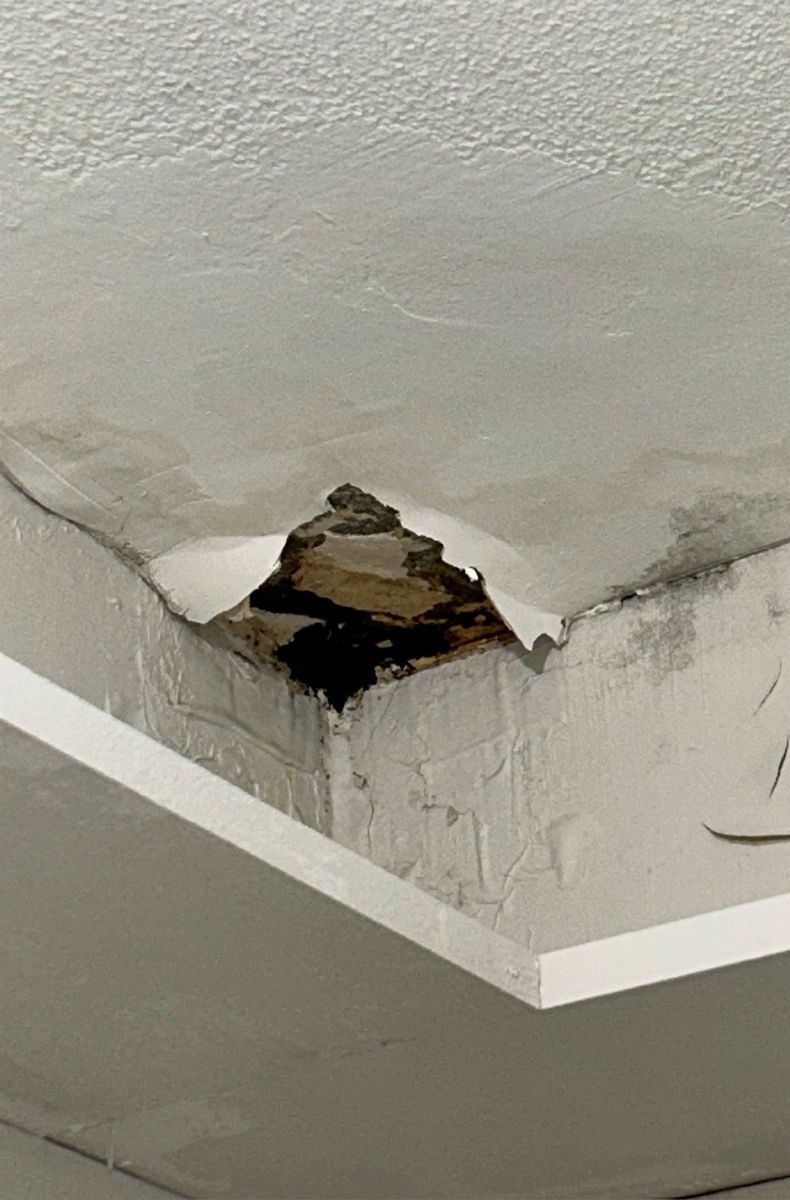
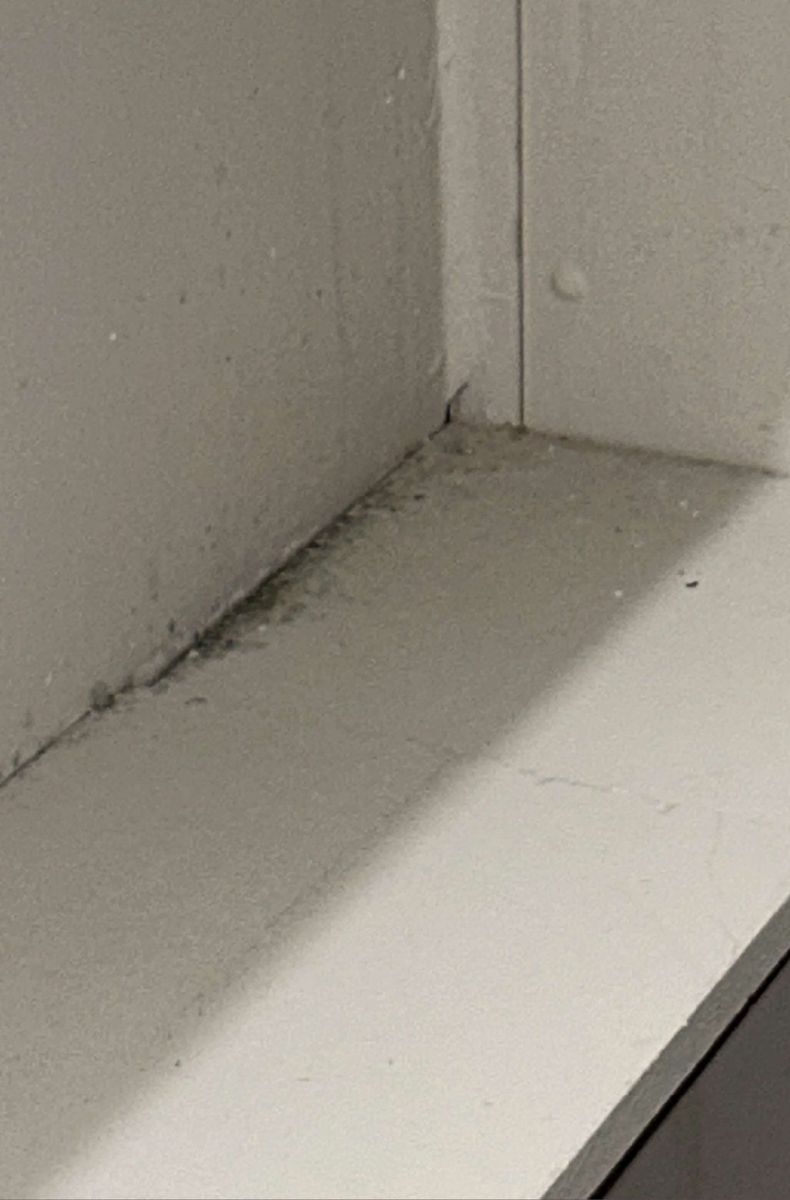
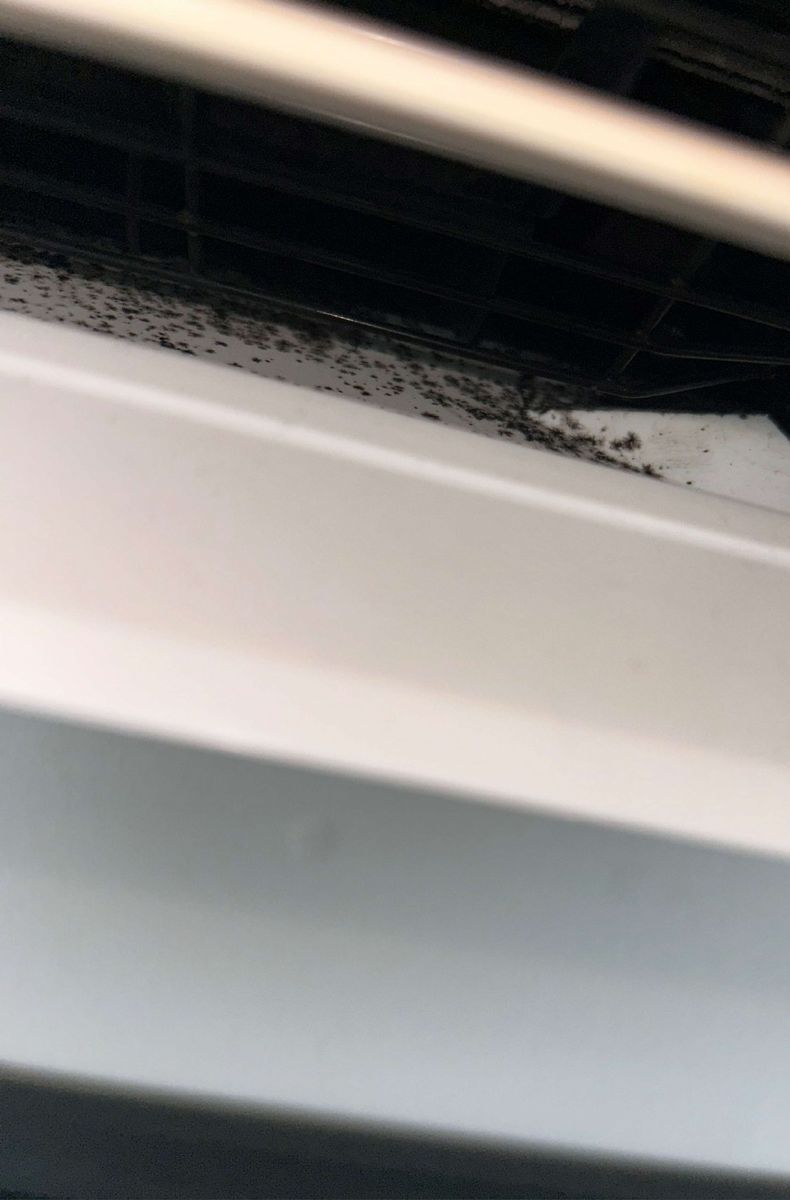
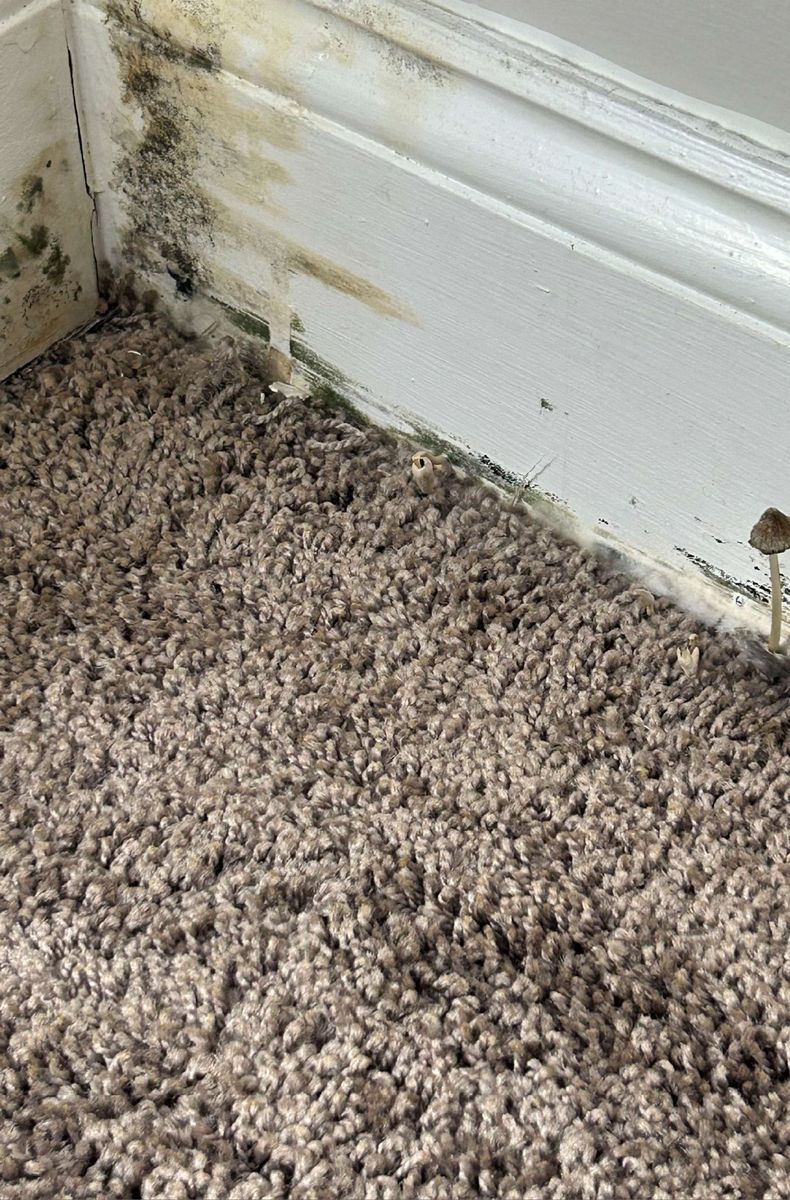
From a recent Chestnut Hill inspection
Real findings Bob documented on the job in Chestnut Hill — the detail that goes in your photo-rich report, delivered within 24 hours.
Why Choose Bob
Why choose All Seasons for mold testing in Chestnut Hill?
You Always Get Bob
Bob personally collects every sample — no subcontractors, no unknown technicians. You know exactly who's in your Chestnut Hill home.
PRO-LAB Certified Lab
Every sample is analyzed by a PRO-LAB certified laboratory — the gold standard in environmental testing. You get real science, not guesswork.
No Conflict of Interest
All Seasons tests and reports — we never perform remediation. Every finding is completely objective. Bob's only job is giving you the truth about your home's air.
Late 19th and early 20th century Expertise
Bob has inspected pre-1920 homes across the Philadelphia region for more than 20 years and understands their unique construction — from rubble stone foundations to knob-and-tube wiring to original slate roofs. He knows where these homes hide problems and what's normal aging versus what needs immediate attention.
From the Blog
What should Chestnut Hill homeowners know about mold?
Get in Touch
How do I schedule a mold test in Chestnut Hill?
Same-week appointments available throughout the Philadelphia region.
Tell Us About Your Property
Bob returns every call and books your date within 24 hours. Inspections typically scheduled within the week. No spam, no email lists.
Common Questions
What are common mold testing questions in Chestnut Hill?
Common questions about mold testing in Chestnut Hill — answered directly.