Few topics in home inspection generate more anxiety and confusion than mold. Buyers hear the word and immediately imagine six-figure remediation bills. Sellers hear it and panic about disclosure. And a lot of bad actors in the industry have exploited that fear to oversell testing and remediation services.
After 20+ years performing mold and air quality testing in the Philadelphia region, without any financial interest in remediation because I don't do it, this is what every buyer and homeowner should understand.
First: All Homes Have Mold
Yes, every home has mold spores in the air, indoors and outdoors, and that's normal. Mold testing doesn't answer "is there mold?" (the answer is always yes). It answers whether indoor spore concentrations are elevated above the outdoor baseline, and whether problematic species like Stachybotrys are present. That distinction is what separates a normal home from one with an active moisture problem driving mold growth.
The EPA's mold guidance makes this same point: the goal isn't zero mold, it's controlling moisture.
The critical rule: Mold is a symptom, not the disease. The disease is moisture. Find and fix the moisture source, and you eliminate the conditions for mold growth. Any remediation that doesn't address the moisture source is temporary.
What does professional mold testing actually involve?
Professional mold testing uses two methods: air sampling, which measures spore concentrations in a room's air and compares them to an outdoor control sample, and surface sampling, which swabs a specific suspected-mold spot to identify the species. Air sampling gives a whole-home baseline; surface sampling confirms what a specific stain or growth actually is.
Air sampling (spore trap cassettes) is the most common method for a whole-home assessment. I collect air into a small cassette device using a calibrated pump, typically taking samples from one or two interior locations plus an outdoor control sample. The cassettes go to a PRO-LAB certified laboratory for analysis.
The lab counts and identifies the types of mold spores present in each sample, and your report compares indoor concentrations to the outdoor baseline. An elevated indoor-to-outdoor ratio, or the presence of species like Stachybotrys (black mold) that don't naturally occur at high outdoor levels, signals an active problem.
Surface sampling (swab or tape lift) is used when I see visible suspected mold growth and want to identify the species. A swab or tape sample from the affected surface goes to the same certified lab. This confirms whether what we're looking at is actually mold (versus dirt, efflorescence, or other discoloration) and identifies the specific species, which matters for both health context and remediation planning.
When Should You Get Mold Testing?
Test when there's a musty odor anywhere in the home, visible staining on walls or ceilings, a history of water damage or a known leak, extended vacancy without ventilation, or unexplained respiratory symptoms that clear up when occupants leave the house. Not every home needs a test at every inspection. This is about matching the tool to an actual warning sign, not testing by default.
Strong indicators in older Philadelphia-area homes specifically: Homes in Cheltenham, Jenkintown, Elkins Park, and Wyncote with stone or block basements, especially ones with no vapor barrier or active sump pump, are at elevated risk for chronic basement moisture and the mold it produces. I see the same pattern in the older housing stock around Norristown and Upper Darby. I find actionable results in a significant percentage of these homes when tested.
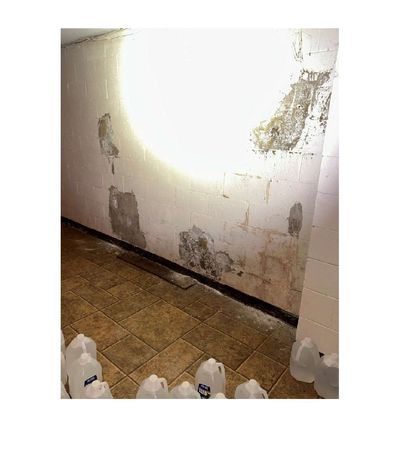
You may not need a full mold test when: the home is recent construction with no moisture history, the air quality inspection shows no odor or moisture indicators, and the physical inspection reveals no evidence of water intrusion.
How do you read and interpret mold test results?
Compare indoor spore counts to the outdoor control sample for each species. Common outdoor species like Cladosporium, Penicillium/Aspergillus, and Basidiospores should be at or below outdoor levels indoors. Significantly higher indoor counts point to an amplification source. Species like Stachybotrys chartarum (black mold), Chaetomium, and Trichoderma rarely occur outdoors in quantity, so even low indoor counts of these are meaningful findings on their own.
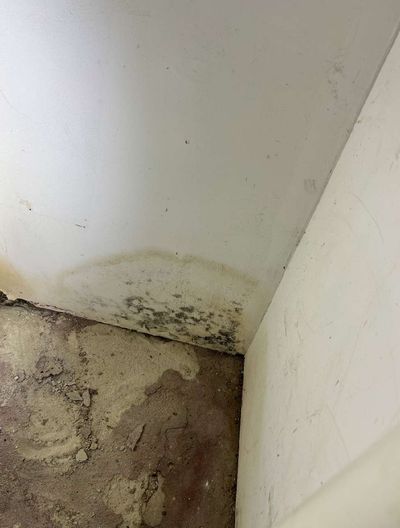
For common species like Cladosporium, spore counts above 10,000 spores/m³ typically indicate an active indoor source rather than normal infiltration from outside. PRO-LAB processes samples within 24–48 hours of receipt, which is why results are typically in your hands 2–3 business days after the inspection.
When I deliver results, I walk you through exactly what every finding means, in plain English, and what action, if any, is recommended. That interpretation is the most valuable part of the testing service, and it's included.
Why doesn't the mold inspector also handle remediation?
I test, report, and advise. I do not perform remediation, and that's deliberate. When an inspector has a financial interest in the remediation they recommend, the objectivity of the results is compromised. Testing with zero incentive to inflate or minimize findings is the only way you get an honest assessment.
If remediation is warranted, I can provide guidance on what a proper remediation scope should include and what questions to ask any remediation contractor, including how to verify clearance testing was done correctly.
Questions about mold or air quality in your home or a property you're considering? Call me directly at 610-348-6728.
PRO-LAB's mycologists examine each spore trap slide under 400x magnification, identifying and counting every genus present in that 150-liter air sample.
Need Professional Mold Testing?
All Seasons provides PRO-LAB certified mold testing and air quality analysis across the Philadelphia region and South Jersey. Owner-operator Bob personally collects all samples. Results in 2-3 days. Call 610-348-6728 for a free estimate.
Professional Mold Testing by Area:
Philadelphia Norristown Upper Darby Cheltenham Abington Ardmore Conshohocken