Mold Inspection & Testing in Philadelphia, PA
All Seasons provides professional mold inspection and testing in Philadelphia, Philadelphia County, PA. PRO-LAB certified lab results in 2-3 days with clear interpretation. Owner-operator Bob personally collects every sample — 20+ years experience, no conflict of interest. Starting from $290. Call 610-348-6728 for a free estimate.
Philadelphia, Philadelphia County, PA
How does mold testing work in Philadelphia?
Philadelphia is not one housing market when it comes to mold risk, it is dozens of distinct moisture environments packed inside one city boundary, and understanding that distinction is what separates a useful mold test from a generic one. In Manayunk, millworker rowhouses built in the 1880s sit on steep hillsides with rubble-stone foundations and rear yards that drain toward the basement after every significant rain. In Fishtown and Northern Liberties, warehouse conversions from the early industrial era left behind concrete slab penetrations and below-grade voids that trap humidity year-round. In Society Hill and the Old City district, federal-era brick townhouses from the early 1800s sit on original foundations that predate any concept of vapor control. In Fairmount, Cedar Park, and Spruce Hill, large Victorian twins and rowhouses built between 1880 and 1910 share party walls and unventilated basement spaces with bare earth or deteriorating concrete floors. In South Philly, pre-1920 brick rowhouses near Passyunk Square have flat rear-bedroom roofs that pond after storms, and original cast-iron drainage stacks that slow drainage and create standing moisture. In Chestnut Hill and Mt. Airy, Wissahickon-schist stone construction creates a specific and recurring problem: the stone itself is porous, mortar joints fail quietly over decades, and the result is slow but constant moisture migration through foundation and above-grade walls alike. In Germantown, large late-19th-century stone twins inside the National Historic District show the same pattern compounded by density and age. The housing era driving mold risk across most of Philadelphia's historic neighborhoods is pre-1920, and that era carries a specific set of construction realities. Porous stone and unreinforced brick foundations have no vapor barrier whatsoever. Original clay drainage tiles crack and clog over a century of freeze-thaw cycles, directing water laterally toward the foundation rather than away from it. Lime mortar repointing gaps that have never been addressed become continuous moisture entry points along entire wall sections. Unventilated basement spaces with earth or deteriorating concrete floors maintain relative humidity levels high enough to sustain active mold growth regardless of season. These are not hypothetical risks. They are the default conditions in a significant portion of Philadelphia's rowhouse and twin stock, and they compound with age.
In 20-plus years of inspecting homes across the Philadelphia region, the pattern I see most consistently in pre-1920 rowhouses and stone twins is moisture coming through the foundation wall that nobody has ever traced to its actual source. Owners put in sump pumps or interior drainage channels and get temporary relief, but the spore counts in the basement air stay elevated because the wall itself is still wicking. I collect calibrated air samples from every suspect space: the basement, the attic, any crawl space, and the HVAC return if the system draws from a lower level. Every sample gets paired with an outdoor baseline reading taken at the same visit, which is what lets the PRO-LAB certified laboratory give you a meaningful comparison rather than just raw numbers. Results typically come back within 2 to 3 business days. In Germantown stone twins I frequently find elevated Cladosporium and Penicillium counts in basement air that the owners attribute to dampness without realizing the spores have migrated into the first-floor HVAC return and are circulating through the living space. That is the kind of thing that only shows up when you sample the right locations and compare them properly. I do the same work in Cheltenham, where the housing stock has similar pre-war construction characteristics and the same foundation moisture patterns appear in the older sections near Cheltenham Avenue. Every sample I collect in Philadelphia, I collect personally. No rotating technicians, no subcontracted lab crew showing up with a franchise kit, and no dispatch center assigning whoever's free that day — you call, I confirm the appointment myself, and same-week scheduling is standard. Bob walks every client through the lab results in plain language, what the spore counts mean, whether remediation is needed, and who to call if it is. No jargon, no scare tactics. Call 610-348-6728 to schedule.
Why are Philadelphia's Pre-1920 to 1960s homes at risk for mold?
Pre-1920 homes are among the highest-risk properties for mold growth due to stone foundations that wick moisture, lime mortar joints that crack over time, and original drainage systems that predate modern waterproofing.
Porous stone foundations with no vapor barrier allowing constant moisture migration
Original clay drainage tiles that crack and clog, directing water toward the foundation
Lime mortar repointing gaps that create moisture entry points
Unventilated basement spaces with earth or deteriorating concrete floors
How does Bob test for mold in Philadelphia?
Bob follows a systematic approach calibrated to the specific risks of late 19th and early 20th century construction in Philadelphia County. All sampling protocols follow EPA mold testing guidelines:
Indoor Air Quality Sampling
Bob collects air samples from areas of concern and compares them against outdoor baseline readings. This comparison reveals whether indoor mold levels are elevated beyond what's normal for the environment.
PRO-LAB Certified Lab Analysis
All samples go to a PRO-LAB certified laboratory — the gold standard in environmental testing. Results return in 2-3 business days with a full written interpretation.
Clear Results & Honest Recommendations
Bob walks you through exactly what the lab results mean — no jargon, no panic. If remediation is needed, he'll explain what's involved so you can make informed decisions.
What are common issues in Philadelphia homes?
Based on 20+ years testing late 19th and early 20th century homes in Philadelphia County, these are the issues Bob finds most often:
- Knob-and-tube wiring still energized behind walls and under blown insulation
- Stone foundation moisture intrusion and mortar joint deterioration
- Lead paint on original trim, windows, and exterior surfaces
- Gas pipe conversions from original coal or oil systems with improper venting
- Original clay sewer laterals with root intrusion and bellied sections
- Aging slate or clay tile roofs with deteriorating flashing
Also Available: Home Inspection in Philadelphia
In addition to mold testing, Bob provides comprehensive home inspections for Philadelphia properties. InterNACHI certified, starting from $325.
Learn About Home Inspection in PhiladelphiaSchedule Mold Testing in Philadelphia
Same-week appointments available. Bob personally collects every sample — you always know who's in your home.
610-348-67287 days, 7am–midnight
Get a Free EstimateServices Available in Philadelphia
- Air Sampling
- Surface / Bulk Sampling
- Visual Mold Assessment
- Pre / Post-Remediation Testing
Mold Testing Pricing
Every property is different. Call Bob for your specific quote — he'll give you an honest number on the spot.
See Full Pricing Details →More Philadelphia Pages
Nearby Areas Also Served
Philadelphia is one of the Philadelphia County communities Bob covers. For the wider picture of how mold testing works across the county, the moisture patterns that repeat here, and every town served, see Mold testing in Philadelphia County.
From the Field
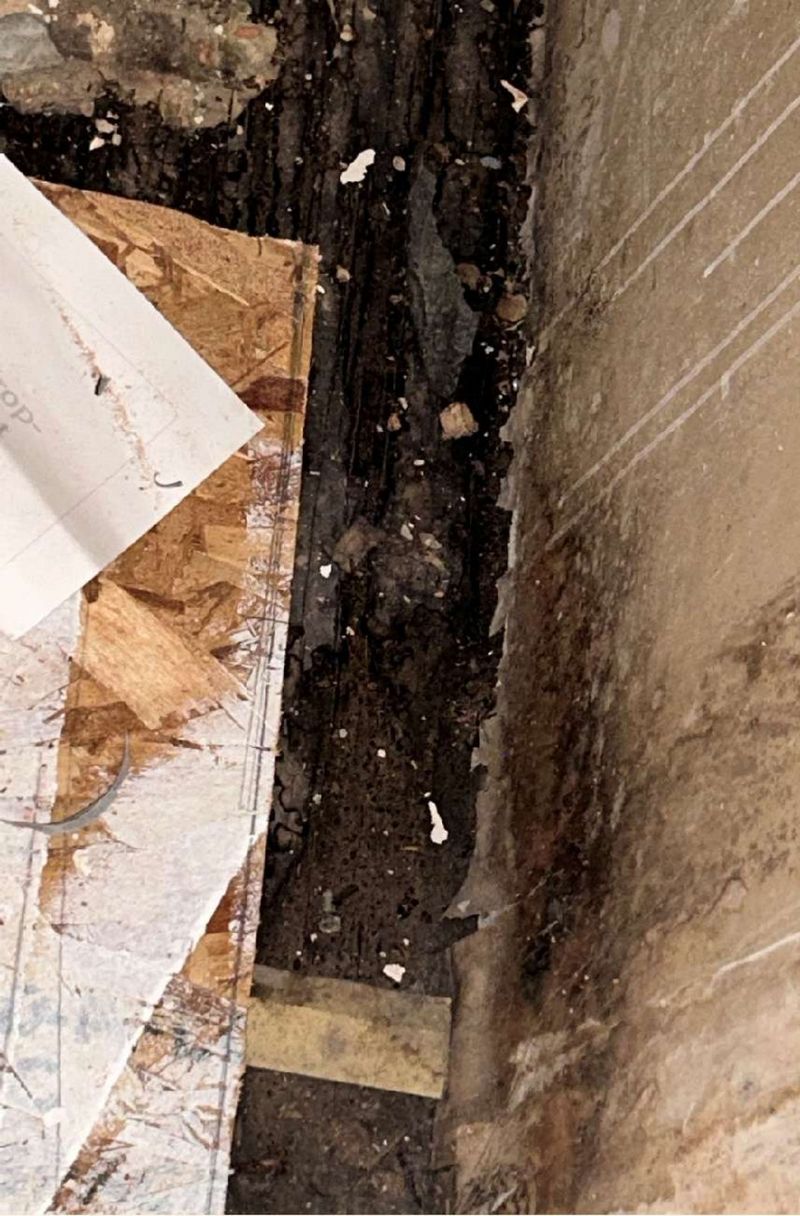
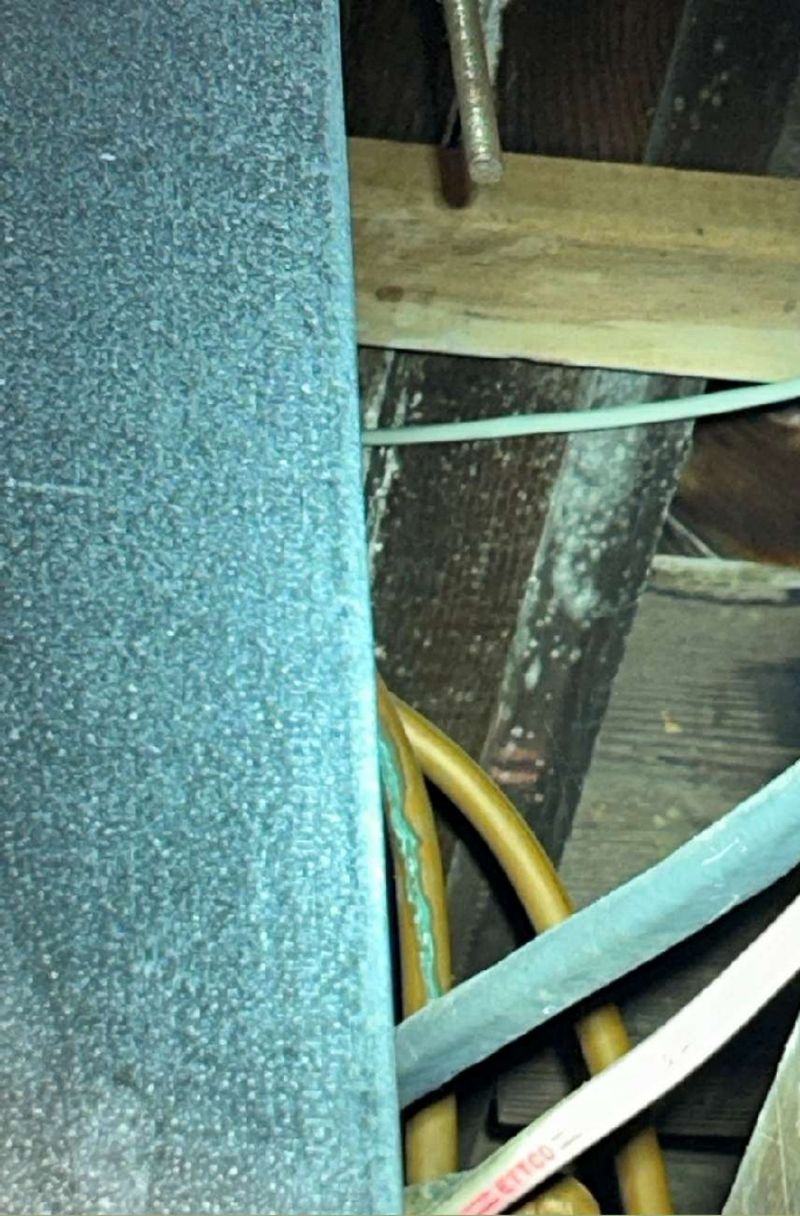
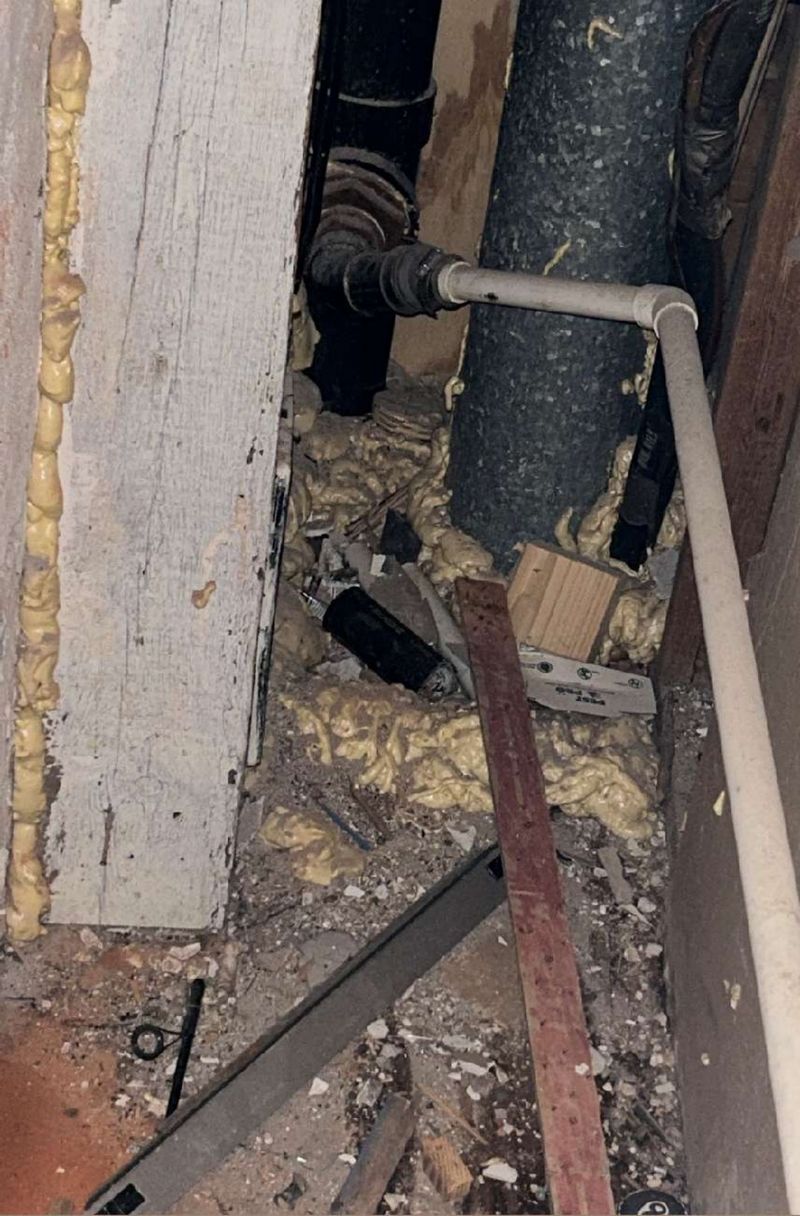
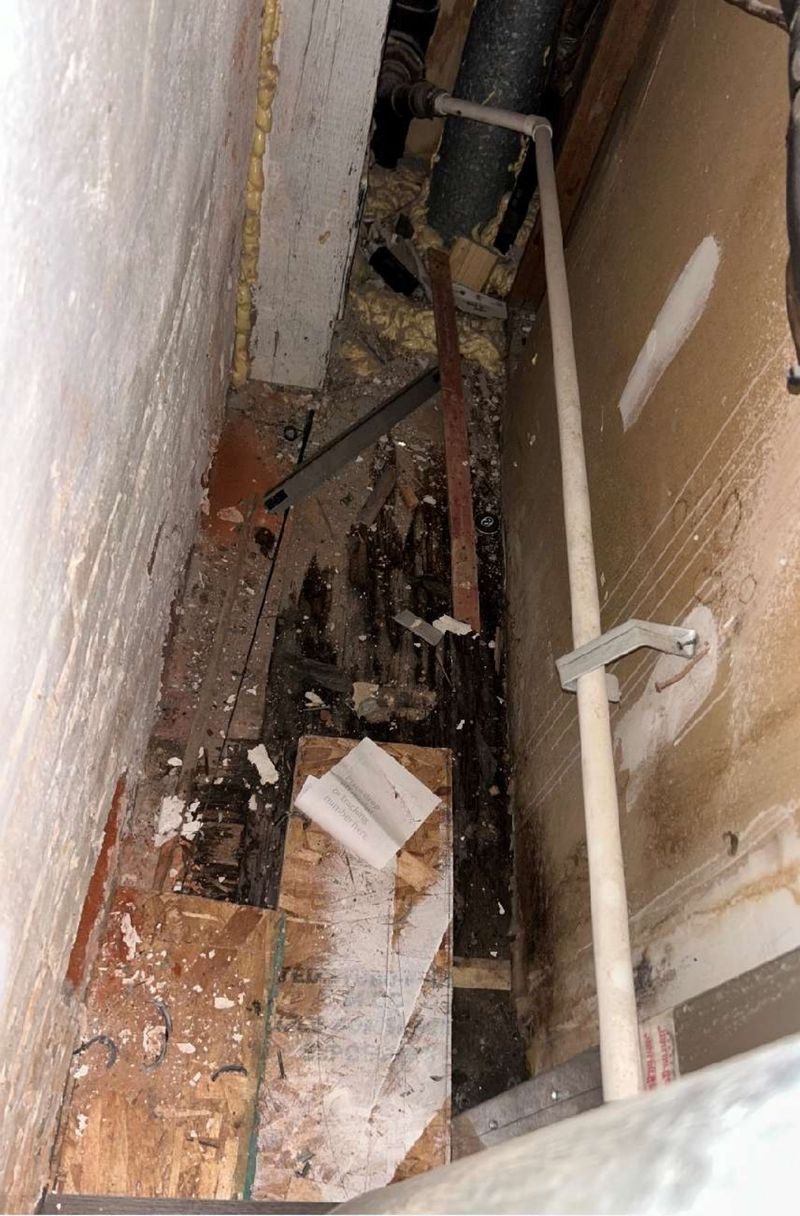
From a recent Philadelphia inspection
Real findings Bob documented on the job in Philadelphia — the detail that goes in your photo-rich report, delivered within 24 hours.
Why Choose Bob
Why choose All Seasons for mold testing in Philadelphia?
You Always Get Bob
Bob personally collects every sample — no subcontractors, no unknown technicians. You know exactly who's in your Philadelphia home.
PRO-LAB Certified Lab
Every sample is analyzed by a PRO-LAB certified laboratory — the gold standard in environmental testing. You get real science, not guesswork.
No Conflict of Interest
All Seasons tests and reports — we never perform remediation. Every finding is completely objective. Bob's only job is giving you the truth about your home's air.
Late 19th and early 20th century Expertise
Bob has inspected pre-1920 homes across the Philadelphia region for more than 20 years and understands their unique construction — from rubble stone foundations to knob-and-tube wiring to original slate roofs. He knows where these homes hide problems and what's normal aging versus what needs immediate attention.
From the Blog
What should Philadelphia homeowners know about mold?
Get in Touch
How do I schedule a mold test in Philadelphia?
Same-week appointments available throughout the Philadelphia region.
Tell Us About Your Property
Bob returns every call within 24 hours. Inspections typically scheduled within the week. No spam, no email lists.
Common Questions
What are common mold testing questions in Philadelphia?
Common questions about mold testing in Philadelphia — answered directly.