Professional Home Inspection in Philadelphia, PA
InterNACHI-certified home inspection serving Philadelphia and all of Philadelphia County. Bob personally inspects every major system — structure, roof, electrical, plumbing, HVAC, foundation, and exterior envelope — against ASHI and InterNACHI standards. Full 24-hour photo-documented report. 4.9★, 176 Google reviews.
Inspections typically scheduled within the week. Bob returns every call within 24 hours.
Philadelphia, Philadelphia County
What does a home inspection in Philadelphia include?
A home inspection in Philadelphia, PA is a top-to-bottom evaluation of a single property — foundation, structure, roof, electrical, plumbing, HVAC, and exterior envelope — performed in person by Bob against ASHI and InterNACHI standards, with a full photo-documented digital report delivered inside 24 hours.
Philadelphia is not one housing market, it is thirty housing markets stitched together inside one city limit, and that is why an inspector who only works the suburbs will miss things here. A Society Hill federal-era townhouse from the 1810s has almost nothing mechanically in common with a Mayfair brick rowhouse, a Manayunk millworker rowhouse from the 1880s, a Wissahickon-schist stone single in Chestnut Hill, a Spruce Hill Victorian twin off Baltimore Avenue, or a South Philly brick rowhouse near Passyunk Square built in 1920. Each corner of the city was built by different labor, for different buyers, under different building codes, using different materials, and each corner has aged in its own specific way. Bob has spent 20+ years inspecting homes in every one of those corners, from Rittenhouse Square trinities to Fox Chase ranches, from Fishtown warehouse conversions to Cedar Park rentals near Penn and Drexel, from Germantown stone twins inside the National Historic District to Roxborough hillside singles. When you book Bob for a Philadelphia home inspection, you are not getting a suburban inspector who treats every Philly address as a generic rowhouse, and you are not getting a hand-off to a partner who actually knows the city. You get one owner-operator who has personally walked the same blocks you are buying into and who knows what the specific neighborhood, era, and construction type quietly does over a century of ownership.
The defect patterns shift as you move across the city, and Bob calibrates each inspection to the block. In Center City, Rittenhouse, and Society Hill the recurring issues are trinity-staircase fire-code questions (three-story, one-room-per-floor homes with a single winder stair), party-wall flashing failures where the roof meets the neighbors, and federal-era brick that has been repointed with modern Portland cement that traps moisture and spalls the original soft brick. In Fairmount, Fishtown, and Northern Liberties the warehouse conversions hide deflected steel beams and slab penetrations from the commercial-to-residential retrofit. In Manayunk and East Falls the millworker rows sit on steep slopes with rubble foundations that move seasonally and rear yards that drain toward the basement. In Chestnut Hill, Mt. Airy, and Germantown the Wissahickon-schist stone foundations need their mortar joints checked every visit because failed pointing is the single most common reason water ends up in a basement in Northwest Philly. It is common for Mt. Airy owners to spend money on a sump system when the real cause is long runs of open mortar joints on the rear wall that no one has flagged. In South Philly the pre-1920 brick rowhouses have old cast-iron stacks and galvanized water service that is quietly pinholing, plus flat rear-bedroom roofs that pond after every storm. In Northeast Philly, Mayfair's brick rowhouses and the post-war houses of Holme Circle and Fox Chase often have early-PVC water service and mid-century panels at or past end of life. In West Philly, Spruce Hill, University City, and Cedar Park the large Victorian twins hide knob-and-tube behind plaster and lead paint on every pre-1978 window sash. Every pattern shows up in the report with photographs and a repair-cost range.
What does Bob check during a Philadelphia home inspection?
Bob approaches every Philadelphia inspection per ASHI and InterNACHI Standards of Practice. With Pre-1920 to 1960s housing stock dominant in Philadelphia, he focuses on the era-specific concerns that affect late 19th and early 20th century construction in Philadelphia County.
Stone & Rubble Foundations
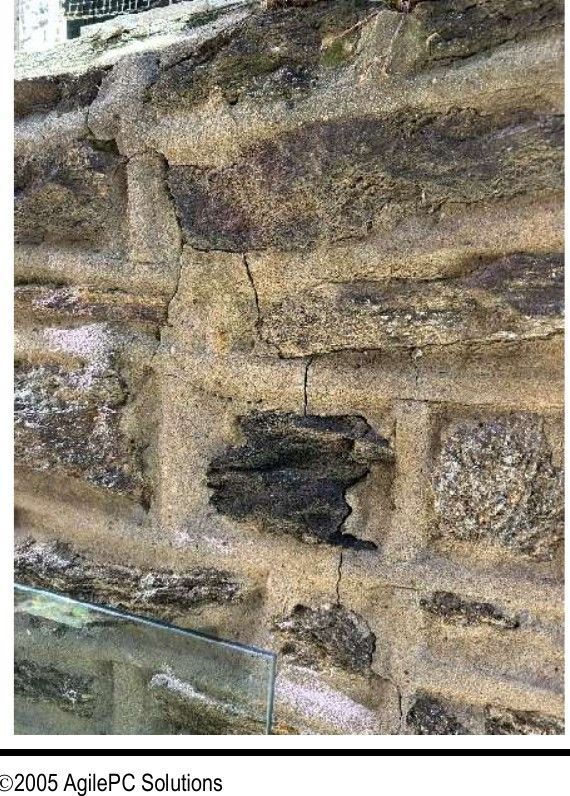
Pre-1920 homes commonly have stone or rubble foundations with lime mortar joints that deteriorate over a century of exposure. Bob checks for shifting stones, mortar erosion, water seepage pathways, and structural settlement that can indicate foundation movement requiring professional stabilization.
Knob-and-Tube Wiring & Gas Pipe Conversions
Original knob-and-tube wiring is one of the most critical findings in pre-1920 homes — especially when insulation has been blown over active K&T, creating a fire hazard. Bob also evaluates gas pipe conversions from original coal or oil systems, checking for visible defects and venting problems.
Original Slate Roofs & Historic Exteriors
Many pre-1920 homes retain original slate or clay tile roofs that, while durable, require specialized maintenance. Bob inspects for cracked or missing slates, deteriorating flashing, and aging copper gutters — plus original wood siding, decorative trim, and masonry that may show a century of weathering.
Lead Paint, Plaster Walls & Coal Chute Remnants
Original plaster-and-lath walls, lead paint on trim and windows, and sealed coal chute openings are hallmarks of pre-1920 construction. Bob documents these conditions and evaluates whether past renovations addressed or inadvertently worsened historical hazards.
Because so much of Philadelphia's housing stock predates 1940, original wiring is a recurring finding here. Bob wrote a detailed field guide on knob-and-tube wiring in Philadelphia-area homes — how to identify it, when it is genuinely hazardous, and what insurers require.
What are common issues in Philadelphia homes?
Based on 20+ years inspecting late 19th and early 20th century homes in Philadelphia County, these are the issues Bob finds most often in Philadelphia's Pre-1920 to 1960s housing stock:
- Knob-and-tube wiring still energized behind walls and under blown insulation
- Stone foundation moisture intrusion and mortar joint deterioration
- Lead paint on original trim, windows, and exterior surfaces
- Gas pipe conversions from original coal or oil systems with improper venting
- Original clay sewer laterals with root intrusion and bellied sections
- Aging slate or clay tile roofs with deteriorating flashing
Ready to schedule your Philadelphia inspection?
Inspections typically scheduled within the week. Bob returns every call within 24 hours.
Also Available: Mold Testing & Air Quality in Philadelphia
In addition to home inspections, Bob provides professional mold testing and air quality analysis for Philadelphia properties. PRO-LAB certified lab results starting from $290.
Learn About Mold Testing in PhiladelphiaSchedule Your Home Inspection in Philadelphia
Same-week appointments available. Bob personally performs every inspection — you always know who's walking through your home.
610-348-67287 days, 7am–midnight • Urgent pre-closing available
Get a Free Estimate See a Sample ReportInspection Services in Philadelphia
- Residential Home Inspection
- Pre-Listing Inspection
- New Construction Inspection
- 11-Month Warranty Inspection
- WDI / Termite Inspection
- Radon Testing
Pricing for Philadelphia
Every home is different. Call Bob for your specific quote — he'll give you an honest number on the spot.
See Full Pricing Details →More Philadelphia Pages
Nearby Areas Also Served
From the Field
From a recent Philadelphia inspection
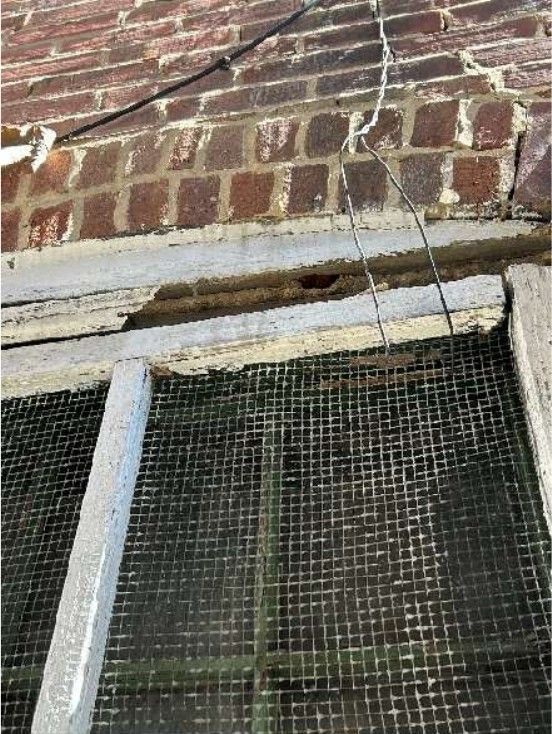
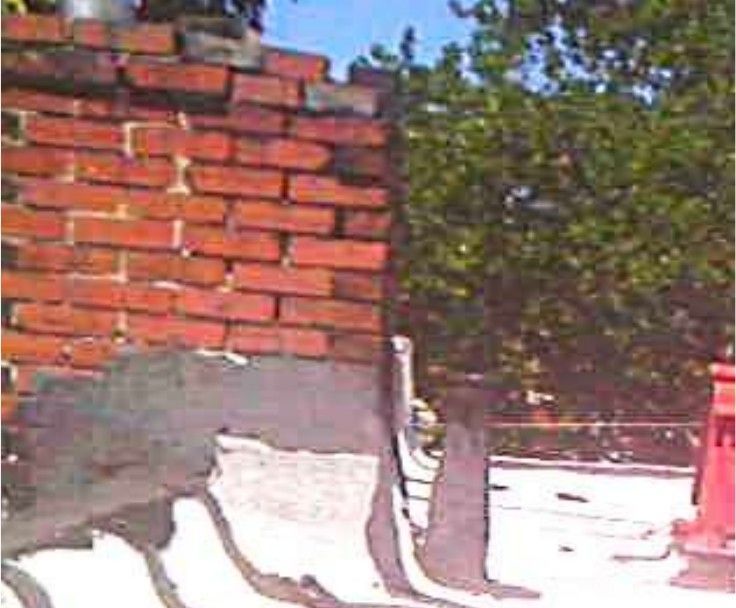
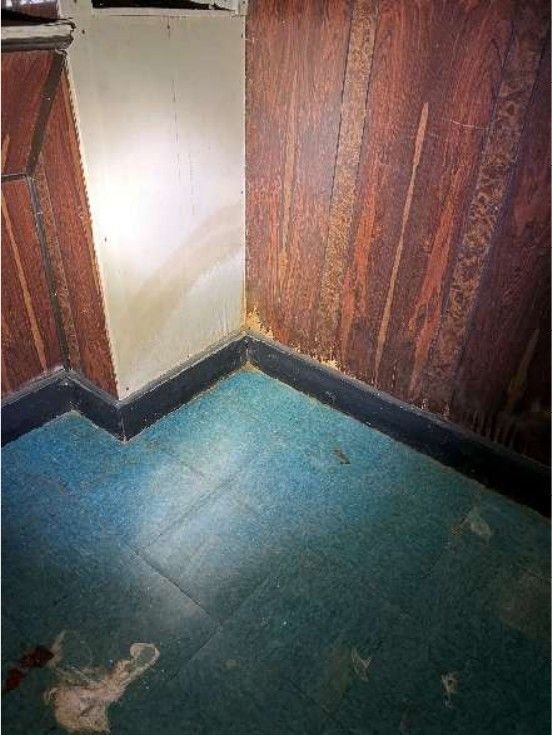
Real findings Bob documented on the job in Philadelphia — the detail that goes in your photo-rich report, delivered within 24 hours.
Why Choose Bob
Why do Philadelphia homeowners choose All Seasons?
You Always Get Bob
When you hire All Seasons, Bob personally performs your inspection — start to finish. No corporate dispatch, no unknown inspector. You know exactly who's walking through your Philadelphia home.
InterNACHI Certified
InterNACHI Certified Professional Inspector with 20+ years of specialized expertise in Philadelphia County's Pre-1920 to 1960s housing stock.
24-Hour Reports
Your detailed, photo-rich inspection report delivered within 24 hours. No waiting — so you can make decisions within your contract timeline.
Late 19th and early 20th century Expertise
Bob has inspected pre-1920 homes across the Philadelphia region for more than 20 years and understands their unique construction — from rubble stone foundations to knob-and-tube wiring to original slate roofs. He knows where these homes hide problems and what's normal aging versus what needs immediate attention.
From the Blog
What should Philadelphia homebuyers know about inspections?
Get in Touch
How do I schedule a home inspection in Philadelphia?
Same-week appointments available throughout the Philadelphia region.
Tell Us About Your Property
Bob returns every call within 24 hours. Inspections typically scheduled within the week. No spam, no email lists.
Common Questions
What are common home inspection questions in Philadelphia?
Questions buyers and sellers in Philadelphia ask us most often — answered directly.