Professional Home Inspection in Willow Grove, PA
InterNACHI-certified home inspection serving Willow Grove and all of Montgomery County. Bob personally inspects every major system — structure, roof, electrical, plumbing, HVAC, foundation, and exterior envelope — against ASHI and InterNACHI standards. Full 24-hour photo-documented report. 4.9★, 174 Google reviews.
Inspections typically scheduled within the week. Bob returns every call within 24 hours.
Willow Grove, Montgomery County
What does a home inspection in Willow Grove include?
A home inspection in Willow Grove, Montgomery County is a top-to-bottom evaluation of a single property -- foundation, structure, roof, electrical, plumbing, HVAC, and exterior envelope -- performed in person by Bob against ASHI and InterNACHI standards, with a full photo-documented digital report delivered inside 24 hours.
Willow Grove sits near the center of Montgomery County, roughly fourteen miles north of Center City Philadelphia along the Old York Road corridor. The community grew outward from Willow Grove Naval Air Station -- which operated from World War II through 2011 and shaped everything from traffic patterns to neighborhood density around the Willow Grove Park Mall area. Today the township spans a range of residential pockets: the post-war ranches and cape cods clustered near Davisville Road and Fitzwatertown Road, the mid-century split-levels along Moreland Road, and the newer infill construction that has filled in around the SEPTA Regional Rail Willow Grove station on the Lansdale/Doylestown Line. Buyers shopping here encounter homes built in waves -- 1950s brick ranches, 1960s aluminum-sided colonials, 1970s raised ranches -- each era carrying its own inspection story. The Upper Moreland Township municipal building, the Willow Grove Public Library branch of the Montgomery County Library System, and the commercial corridor along Easton Road all anchor a community that draws buyers for its access to Route 611, the Pennsylvania Turnpike interchange at Willow Grove, and proximity to employers at the Welsh Valley corporate campus and Horsham Business Center. Abington Jefferson Health and its network of nearby medical offices also make this corridor attractive to healthcare workers relocating from Center City. Elementary-age families often cite Upper Moreland School District -- including Upper Moreland High School and Keith Valley Middle School -- as a primary draw. The housing stock reflects all of that layered growth: solid bones in many cases, but decades of deferred maintenance, owner-performed repairs, and multiple ownership changes that make a professional inspection essential before any offer becomes binding.
When Bob arrives at a Willow Grove property, the first thing he does is read the house. The era tells him a lot before he opens a single access panel. A 1955 brick ranch on a slab near the Susquehanna Road corridor is going to show him different concerns than a 1972 raised ranch off Moreland Road -- and both are different from a 1983 colonial near the Fitzwatertown Road commercial strip. In post-war and mid-century homes, three patterns show up consistently enough that Bob treats them as near-certainties until proven otherwise: galvanized steel supply plumbing that has been corroding from the inside for fifty or sixty years, reducing flow and water quality; undersized electrical service -- often original 60- or 100-amp panels -- that cannot safely support modern loads including EV chargers, heat pumps, or even standard kitchen appliances running simultaneously; and attic ventilation gaps in cape cod and split-entry designs where inadequate soffit-to-ridge airflow creates moisture accumulation, sheathing rot, and the kind of ice dam damage that looks minor from the street but costs real money to remediate. Bob documents all of it with photographs, assigns each finding a plain-language repair-cost range, and separates immediate safety concerns from planned-maintenance items so buyers can walk into any negotiation with actual numbers rather than anxiety. Buyers coming from neighboring Abington or Cheltenham sometimes assume Willow Grove homes are newer or better-maintained -- the neighborhood feels more suburban and spread out -- but the housing stock tells a different story, and a thorough inspection is what separates a confident purchase from an expensive surprise six months after closing. Call 610-348-6728 to schedule.
What does Bob check during a Willow Grove home inspection?
Bob approaches every Willow Grove inspection per ASHI and InterNACHI Standards of Practice. With 1950s–1980s housing stock dominant in Willow Grove, he focuses on the era-specific concerns that affect late mid-century and early modern construction in Montgomery County.
Split-Level Foundations & Below-Grade Moisture
Split-level and bi-level homes from this era feature below-grade family rooms and garages that create unique moisture challenges. Bob inspects for water intrusion at the below-grade/above-grade transition, foundation wall efflorescence, and settlement where additions meet original construction.
Aluminum Wiring, Polybutylene Plumbing & Early AC Systems
Aluminum branch circuit wiring (1965–1973) is a fire hazard at connections with copper devices. Bob checks every accessible connection point. He also evaluates polybutylene plumbing — prone to sudden failure — and early central AC installations with undersized ductwork that can't handle modern cooling demands.
T-111 Siding, Flat Roof Sections & Deck Ledger Boards
Homes from this era often feature T-111 plywood siding that swells at edges, flat or low-slope roof sections over additions, and deck attachments that may lack proper ledger board flashing — a leading cause of structural deck failure. Bob inspects all of these high-risk areas.
Insulation Standards, FPE/Zinsco Panels & Carpet Over Concrete
Many 1960s–1980s homes have Federal Pacific (FPE) or Zinsco electrical panels — known for breakers that fail to trip during overloads. Bob checks panel brands and evaluates inadequate insulation by modern standards, carpet-over-concrete installations in below-grade spaces, and early cathedral ceiling construction.
In 1950s–1980s homes like most of Willow Grove's, the electrical panel is one of the most common write-ups. Bob's guide to Federal Pacific and Zinsco panels covers how to identify one yourself and what replacement actually costs.
What are common issues in Willow Grove homes?
Based on 20+ years inspecting late mid-century and early modern homes in Montgomery County, these are the issues Bob finds most often in Willow Grove's 1950s–1980s housing stock:
- Aluminum wiring at outlets and switches creating fire risk at connection points
- Polybutylene plumbing (gray plastic pipe) prone to sudden catastrophic failure
- Federal Pacific or Zinsco electrical panels with breakers that fail to trip
- Below-grade family room moisture from carpet-over-concrete installations
- Undersized HVAC ductwork causing poor airflow and humidity problems
- Inadequate insulation by modern energy standards
Ready to schedule your Willow Grove inspection?
Inspections typically scheduled within the week. Bob returns every call within 24 hours.
Also Available: Mold Testing & Air Quality in Willow Grove
In addition to home inspections, Bob provides professional mold testing and air quality analysis for Willow Grove properties. PRO-LAB certified lab results starting from $290.
Learn About Mold Testing in Willow GroveSchedule Your Home Inspection in Willow Grove
Same-week appointments available. Bob personally oversees every inspection — you always know who's walking through your home.
610-348-6728Mon–Sat, 7am–7pm • Urgent pre-closing available
Get a Free Estimate See a Sample ReportInspection Services in Willow Grove
- Residential Home Inspection
- Pre-Listing Inspection
- New Construction Inspection
- 11-Month Warranty Inspection
- WDI / Termite Inspection
- Radon Testing
Pricing for Willow Grove
Every home is different. Call Bob for your specific quote — he'll give you an honest number on the spot.
See Full Pricing Details →More Willow Grove Pages
Nearby Areas Also Served
From the Field
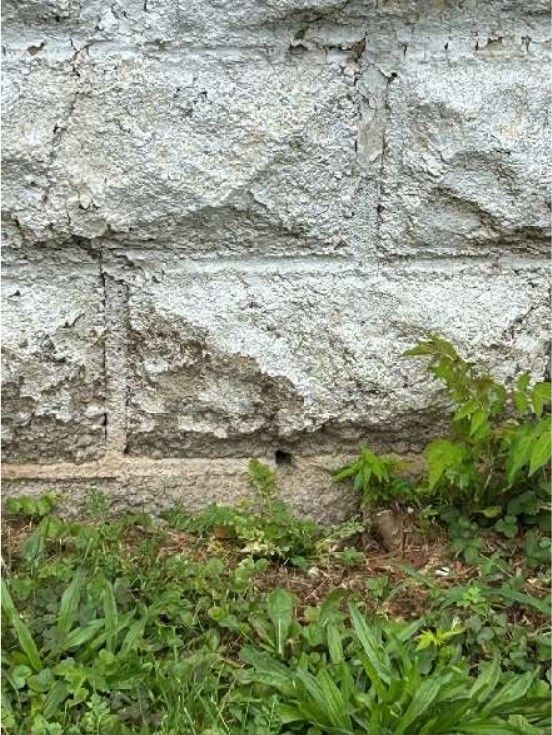
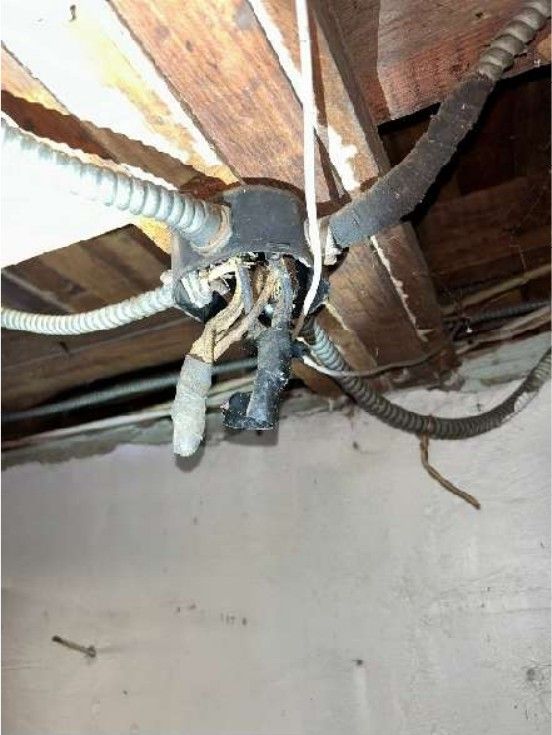
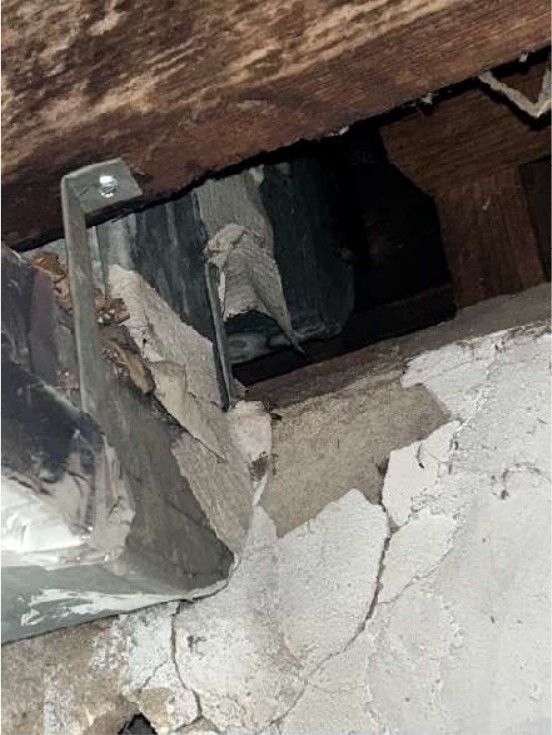
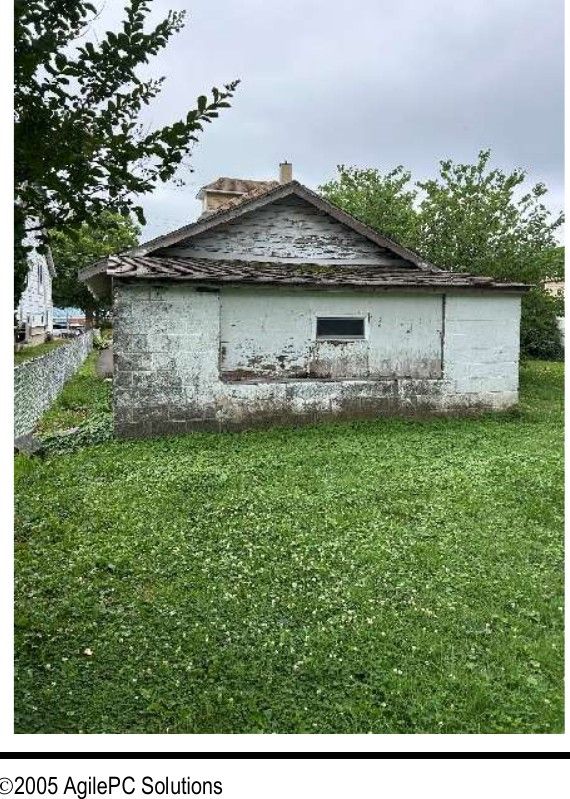
From a recent Willow Grove inspection
Real findings Bob documented on the job in Willow Grove — the detail that goes in your same-day, photo-rich report.
Why Choose Bob
Why do Willow Grove homeowners choose All Seasons?
You Always Get Bob
When you hire All Seasons, Bob personally oversees your inspection — start to finish. No corporate dispatch, no unknown inspector. You know exactly who's walking through your Willow Grove home.
InterNACHI Certified
InterNACHI Certified Professional Inspector with 20+ years of specialized expertise in Montgomery County's 1950s–1980s housing stock.
24-Hour Reports
Your detailed, photo-rich inspection report delivered the same day. No waiting — so you can make decisions within your contract timeline.
Late mid-century and early modern Expertise
Bob knows the specific failure points of 1960s–1980s construction — aluminum wiring connections, polybutylene plumbing, FPE panels, and the split-level moisture traps that define this era. He's seen how these homes age and knows which issues are cosmetic and which are safety concerns.
From the Blog
What should Willow Grove homebuyers know about inspections?
Get in Touch
How do I schedule a home inspection in Willow Grove?
Same-week appointments available throughout the Philadelphia region.
Tell Us About Your Property
Bob returns every call within 24 hours. Inspections typically scheduled within the week. No spam, no email lists.
Common Questions
What are common home inspection questions in Willow Grove?
Questions buyers and sellers in Willow Grove ask us most often — answered directly.