Home Inspector Willow Grove, PA | Home Inspection & Mold Testing
All Seasons provides professional home inspections and PRO-LAB certified mold testing in Willow Grove, Montgomery County. InterNACHI-certified owner-operator Bob personally performs every inspection — 20+ years experience, 4.9 stars on Google, 24-hour reports. Home inspections from $325, mold testing from $290. Call 610-348-6728 for a free estimate.
Willow Grove, Montgomery County
What home inspection and mold testing services are available in Willow Grove?
Easton Road carries most of what outsiders picture when they think of Willow Grove: the mall, the car dealerships, and the near continuous strip retail running north from the Abington Township line. Turn off it in either direction and the character changes inside a block. The residential streets threaded off Fitzwatertown Road, Davisville Road, Moreland Road, and Welsh Road hold the ranches, Cape Cods, and split-levels that filled Upper Moreland Township and the northern edge of Abington through the 1950s and 1960s, when this stretch of Montgomery County went from farmland to subdivision in about fifteen years. The Crestmont neighborhood, the blocks within walking distance of the SEPTA Willow Grove station on the Warminster Line, and the older grid near Old York Road all carry that same post-war frame. Later infill went up closer to the Pennsylvania Turnpike interchange and out toward the former Naval Air Station Joint Reserve Base Willow Grove, pushing the local housing range out to roughly 1980. That build history sets the agenda for anyone evaluating a house here. Most sit on poured or block foundations with shallow crawlspaces under the additions, and the grade frequently runs toward the Pennypack Creek drainage instead of away from the foundation. Roofs have been replaced once or twice by now, usually without anyone correcting the attic ventilation that Cape Cod and split-entry rooflines were shorted on from the start. Kitchens and baths have been redone in waves, which means original galvanized supply lines and 60 to 100 amp panels often survive behind finished walls long after the visible parts of the house look current.
The pattern I run into most in Willow Grove is a house that shows well and hides its age. A 1958 rancher off Davisville Road gets a new kitchen, new flooring and fresh paint, and the buyer reasonably assumes the systems came along with it. Then I open the panel and find a 100 amp service with double-tapped breakers, or I trace the supply and find galvanized steel still feeding the back of the house. Because I handle the home inspection, the mold testing and the air quality testing myself, you are not left lining up separate vendors when something turns up. If the crawlspace under an addition reads damp or a finished basement off Fitzwatertown Road smells musty, I can collect mold samples during the same visit and send them to the PRO-LAB certified lab rather than telling you to start over with another company. Air quality works the same way. In houses of this era, asbestos floor tile under the carpet, decades of dust in original ductwork and a poorly vented attic are common enough that sampling the air is a sensible next step, not an upsell. I have been inspecting this housing stock across Upper Moreland, Abington and neighboring Horsham for more than twenty years, and I write every report myself. If you have a Willow Grove property under contract, or you own one and want a straight answer about what is behind the walls, call me at 610-348-6728.
What does a home inspection in Willow Grove include?
Bob approaches every Willow Grove inspection per ASHI and InterNACHI Standards of Practice. With 1950s–1980s housing stock dominant in Willow Grove, Bob pays particular attention to the era-specific issues that affect late mid-century and early modern construction in Montgomery County.
Split-Level Foundations & Below-Grade Moisture
Split-level and bi-level homes from this era feature below-grade family rooms and garages that create unique moisture challenges. Bob inspects for water intrusion at the below-grade/above-grade transition, foundation wall efflorescence, and settlement where additions meet original construction.
Aluminum Wiring, Polybutylene Plumbing & Early AC Systems
Aluminum branch circuit wiring (1965–1973) is a fire hazard at connections with copper devices. Bob checks every accessible connection point. He also evaluates polybutylene plumbing — prone to sudden failure — and early central AC installations with undersized ductwork that can't handle modern cooling demands.
T-111 Siding, Flat Roof Sections & Deck Ledger Boards
Homes from this era often feature T-111 plywood siding that swells at edges, flat or low-slope roof sections over additions, and deck attachments that may lack proper ledger board flashing — a leading cause of structural deck failure. Bob inspects all of these high-risk areas.
Insulation Standards, FPE/Zinsco Panels & Carpet Over Concrete
Many 1960s–1980s homes have Federal Pacific (FPE) or Zinsco electrical panels — known for breakers that fail to trip during overloads. Bob checks panel brands and evaluates inadequate insulation by modern standards, carpet-over-concrete installations in below-grade spaces, and early cathedral ceiling construction.
How does mold testing work in Willow Grove?
The split-level and bi-level designs popular from the 1960s–1980s create specific mold risks, particularly in below-grade family rooms, attached garages, and areas where early insulation traps moisture against foundation walls.
Below-grade family rooms with carpet over concrete slab — trapping moisture underneath
Split-level design transitions where water infiltrates at grade-level changes
Early insulation pressed against foundation walls without vapor barriers
Undersized ductwork creating condensation in humid summer conditions
Clear Results & Honest Recommendations
Bob walks you through exactly what the lab results mean — no jargon, no panic. All samples go to a PRO-LAB certified lab with results in 2-3 days. Mold testing starts at $290.
What are common issues in Willow Grove homes?
Based on 20+ years inspecting late mid-century and early modern homes in Montgomery County, these are the issues Bob finds most often in Willow Grove's 1950s–1980s housing stock:
- Aluminum wiring at outlets and switches creating fire risk at connection points
- Polybutylene plumbing (gray plastic pipe) prone to sudden catastrophic failure
- Federal Pacific or Zinsco electrical panels with breakers that fail to trip
- Below-grade family room moisture from carpet-over-concrete installations
- Undersized HVAC ductwork causing poor airflow and humidity problems
- Inadequate insulation by modern energy standards
Schedule in Willow Grove
Same-week appointments available. Bob personally oversees every inspection — you always know who's walking through your home.
610-348-6728Mon–Sat, 7am–7pm • Urgent pre-closing available
Get a Free EstimateServices Available in Willow Grove
- Residential Home Inspection
- Mold Testing & Air Quality
- Radon Testing
- Pre-Listing Inspection
- New Construction Inspection
- WDI / Termite Inspection
- 11-Month Warranty Inspection
Pricing for Willow Grove
Every home is different. Call Bob for your specific quote — he'll give you an honest number on the spot.
See Full Pricing Details →Detailed Willow Grove Service Pages
Nearby Areas Also Served
From the Field
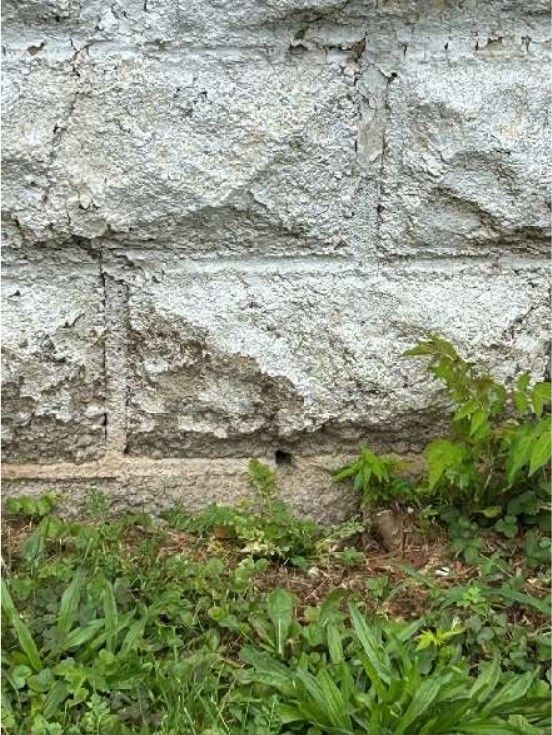
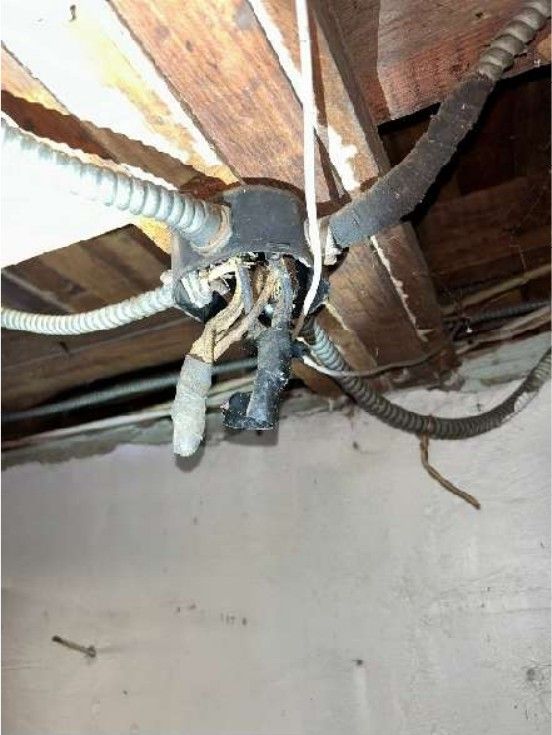
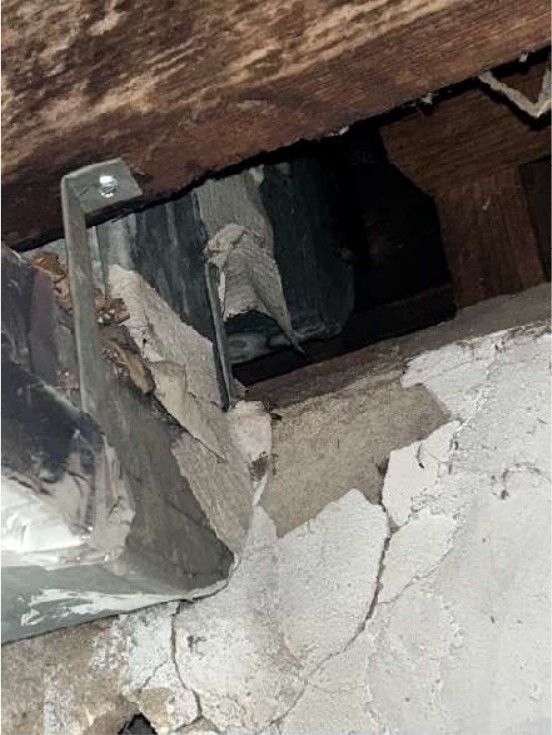
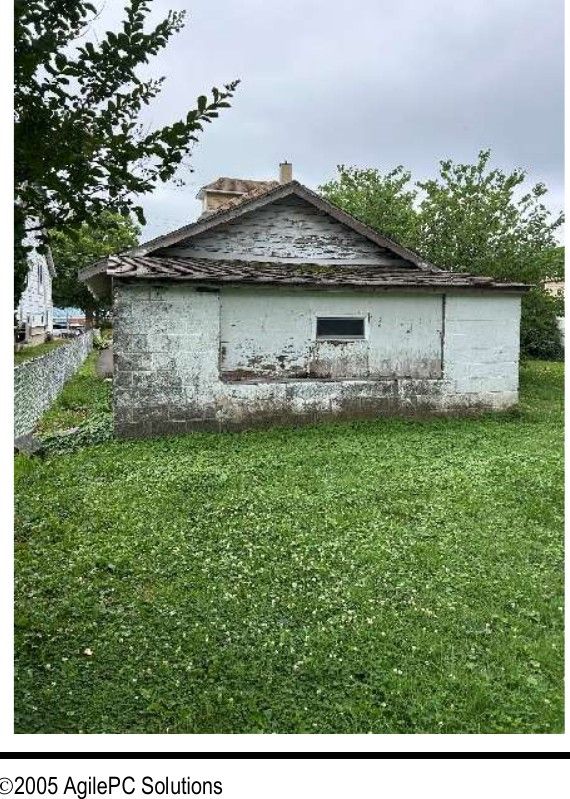
From a recent Willow Grove inspection
Real findings Bob documented on the job in Willow Grove — the detail that goes in your same-day, photo-rich report.
Why Choose Bob
Why do Willow Grove homeowners choose All Seasons?
You Always Get Bob
When you hire All Seasons, Bob personally oversees your inspection — start to finish. No corporate dispatch, no unknown inspector. You know exactly who's walking through your Willow Grove home.
InterNACHI Certified
InterNACHI Certified Professional Inspector with 20+ years of specialized expertise in Montgomery County's 1950s–1980s housing stock.
24-Hour Reports
Your detailed, photo-rich inspection report delivered the same day. No waiting — so you can make decisions within your contract timeline.
Late mid-century and early modern Expertise
Bob knows the specific failure points of 1960s–1980s construction — aluminum wiring connections, polybutylene plumbing, FPE panels, and the split-level moisture traps that define this era. He's seen how these homes age and knows which issues are cosmetic and which are safety concerns.
Get in Touch
How do I schedule an inspection in Willow Grove?
Same-week appointments available throughout the Philadelphia region.
Tell Us About Your Property
Bob returns every call within 24 hours. Inspections typically scheduled within the week. No spam, no email lists.
What Willow Grove Clients Say
"Bob found polybutylene plumbing in our Willow Grove rancher that neither our realtor nor the seller had disclosed. That discovery gave us real leverage in negotiations and saved us from a $12,000 replumb surprise. Absolutely recommend."
Common Questions
What are common home inspection questions in Willow Grove?
Questions buyers and sellers in Willow Grove ask us most often — answered directly.