Home Inspector Elkins Park, PA | Home Inspection & Mold Testing
All Seasons provides professional home inspections and PRO-LAB certified mold testing in Elkins Park, Montgomery County. InterNACHI-certified owner-operator Bob personally performs every inspection — 20+ years experience, 4.9 stars on Google, 24-hour reports. Home inspections from $325, mold testing from $290. Call 610-348-6728 for a free estimate.
Elkins Park, Montgomery County
What home inspection and mold testing services are available in Elkins Park?
Old York Road carries you through Elkins Park past a stretch of Montgomery County history almost no other Philadelphia suburb can match: Frank Lloyd Wright's Beth Sholom Synagogue, the Keneseth Israel campus, the former Salus University buildings (now Drexel University's Elkins Park campus), and just off Spring Avenue the vast shell of Lynnewood Hall, the Widener mansion that once anchored hundreds of acres of estate ground. Elkins Park is a section of Cheltenham Township rather than a borough of its own, and the street pattern still shows how those Gilded Age holdings were broken up. The Elkins Estate buildings on Ashbourne Road, the private greensward at Latham Park, and the blocks around High School Park all trace back to the same subdivision waves. What got built on that land arrived in layers. Stone Tudors and center-hall colonials went up through the 1910s and 1920s along Ashbourne Road and Church Road, brick twins and porch-front rows filled in nearer Cheltenham Avenue, the Elkins Park station on the Lansdale/Doylestown Line, and the older, close-in blocks of Melrose Park, while postwar ranches and split-levels finished the outer edges. For anyone evaluating a property here, that layering matters more than the address does. Houses from the earliest wave sit on stone and rubble foundations laid in lime mortar, drain through original clay laterals running under mature street trees, and were wired long before anyone imagined central air. Ground along the Tookany Creek corridor sheds water toward those old basements, and a century of remodeling, from coal conversions to finished lower levels, has buried most of the original construction behind newer surfaces.
The pattern I run into most in Elkins Park is a beautiful stone house where all the visible work has been done upstairs and nothing below the first floor has been touched in decades. New kitchen, refinished floors, restored trim, and then I open the basement door and find a rubble foundation with mortar joints washed out at grade, a sump added as an afterthought, and blown insulation packed over knob-and-tube that is still energized. I have been inspecting these houses out of Wyncote for more than twenty years, so I know the difference between a stone wall that has always been a little damp and one that has started to move. That distinction is worth real money in a negotiation, and it is not something anyone can read off a listing photo. Because I carry InterNACHI certification along with PRO-LAB mold certification, you are not lining up three separate vendors to get one answer. If the home inspection turns up a musty finished basement off Ashbourne Road or staining behind a knee wall in a converted third floor, I can pull mold and air quality samples on the same visit instead of sending you off to book another appointment two weeks before settlement. Same inspector, same report, one timeline. I handle all of it personally, here and next door in Wyncote, and I will tell you on the phone what I expect to find in a house of that vintage before you ever schedule. Call me at 610-348-6728.
What does a home inspection in Elkins Park include?
Bob approaches every Elkins Park inspection per ASHI and InterNACHI Standards of Practice. With 1910s–1960s housing stock dominant in Elkins Park, Bob pays particular attention to the era-specific issues that affect early to mid-20th century construction in Montgomery County.
Block & Poured Foundations with Clay Laterals
1920s–1940s homes typically feature poured concrete or concrete block foundations — an improvement over stone, but still vulnerable to cracking and water intrusion after 80+ years. Bob pays special attention to clay sewer laterals common in this era, which suffer from tree root intrusion and joint separation.
Early Electrical Upgrades & Oil-to-Gas Conversions
Many homes from this era have had multiple electrical upgrades layered over original wiring — sometimes creating code violations where old and new systems connect improperly. Bob also evaluates oil-to-gas furnace conversions, checking that chimney liners, supply lines, and venting meet current safety standards.
Original Slate Roofs & Plaster-Over-Lath Moisture
Original slate and clay tile roofs from the 1920s–1940s may still be serviceable but require careful inspection for worn fasteners and deteriorating underlayment. Bob checks for plaster-over-lath moisture issues where exterior water intrusion saturates wall cavities behind intact-looking plaster surfaces.
Plaster Walls, Hardwood Floors & Early Insulation
These homes feature quality craftsmanship — hardwood floors, plaster walls, built-in cabinetry — but often lack adequate insulation by modern standards. Bob evaluates whether past insulation retrofits were done properly and checks for moisture trapped behind plaster from exterior or plumbing leaks.
How does mold testing work in Elkins Park?
Homes from the 1920s–1940s combine aging infrastructure with building practices that create persistent moisture pathways — clay sewer laterals, minimal foundation waterproofing, and plaster walls that mask moisture damage.
Clay sewer laterals with tree root intrusion causing backup and sub-slab moisture
Oil-to-gas conversion furnaces with condensation issues from improper chimney liner sizing
Plaster-over-lath walls that hold moisture for extended periods without visible exterior signs
Basement window wells with deteriorating drainage directing water toward foundation walls
Clear Results & Honest Recommendations
Bob walks you through exactly what the lab results mean — no jargon, no panic. All samples go to a PRO-LAB certified lab with results in 2-3 days. Mold testing starts at $290.
What are common issues in Elkins Park homes?
Based on 20+ years inspecting early to mid-20th century homes in Montgomery County, these are the issues Bob finds most often in Elkins Park's 1910s–1960s housing stock:
- Clay sewer laterals with tree root intrusion and bellied sections
- Layered electrical upgrades with code violations at old/new connections
- Oil-to-gas furnace conversions with improper chimney liner sizing
- Original slate or clay tile roofs reaching end of useful life
- Plaster-over-lath moisture damage hidden behind intact-looking walls
- Inadequate insulation and single-pane windows driving high energy costs
Schedule in Elkins Park
Same-week appointments available. Bob personally oversees every inspection — you always know who's walking through your home.
610-348-6728Mon–Sat, 7am–7pm • Urgent pre-closing available
Get a Free EstimateServices Available in Elkins Park
- Residential Home Inspection
- Mold Testing & Air Quality
- Radon Testing
- Pre-Listing Inspection
- New Construction Inspection
- WDI / Termite Inspection
- 11-Month Warranty Inspection
Pricing for Elkins Park
Every home is different. Call Bob for your specific quote — he'll give you an honest number on the spot.
See Full Pricing Details →Detailed Elkins Park Service Pages
Nearby Areas Also Served
From the Field
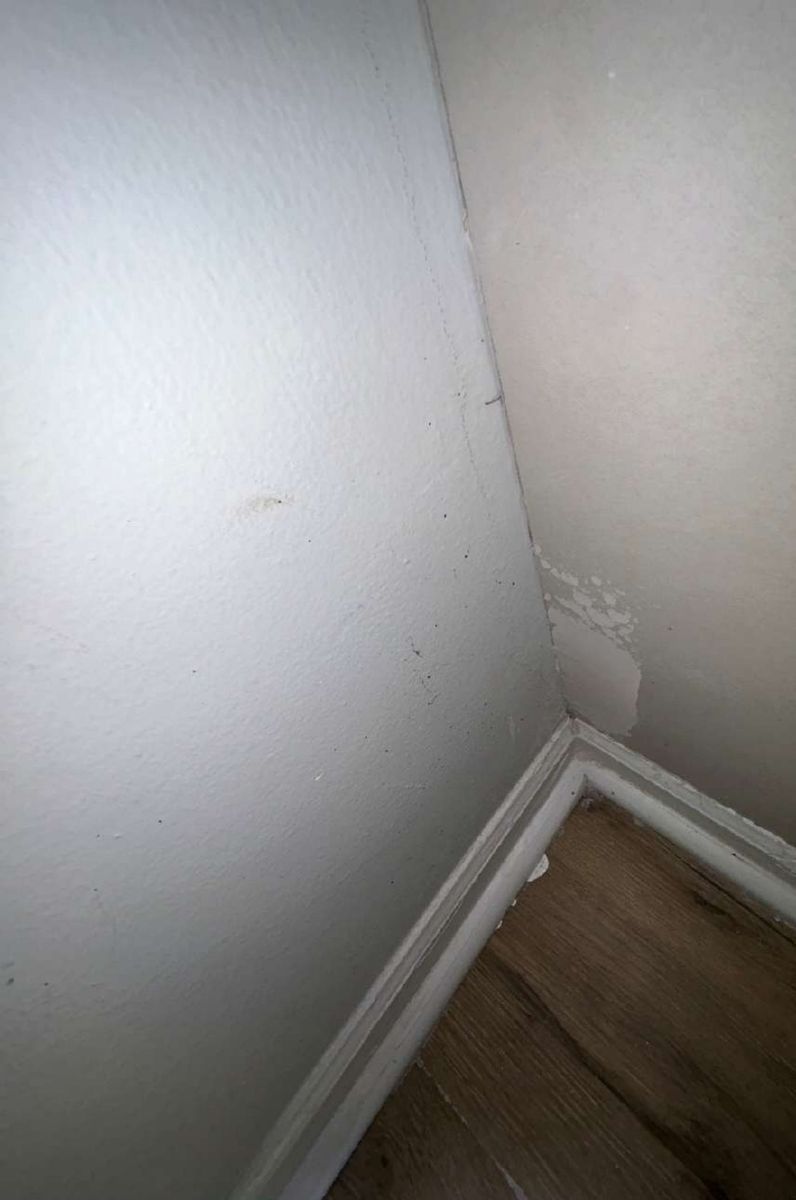
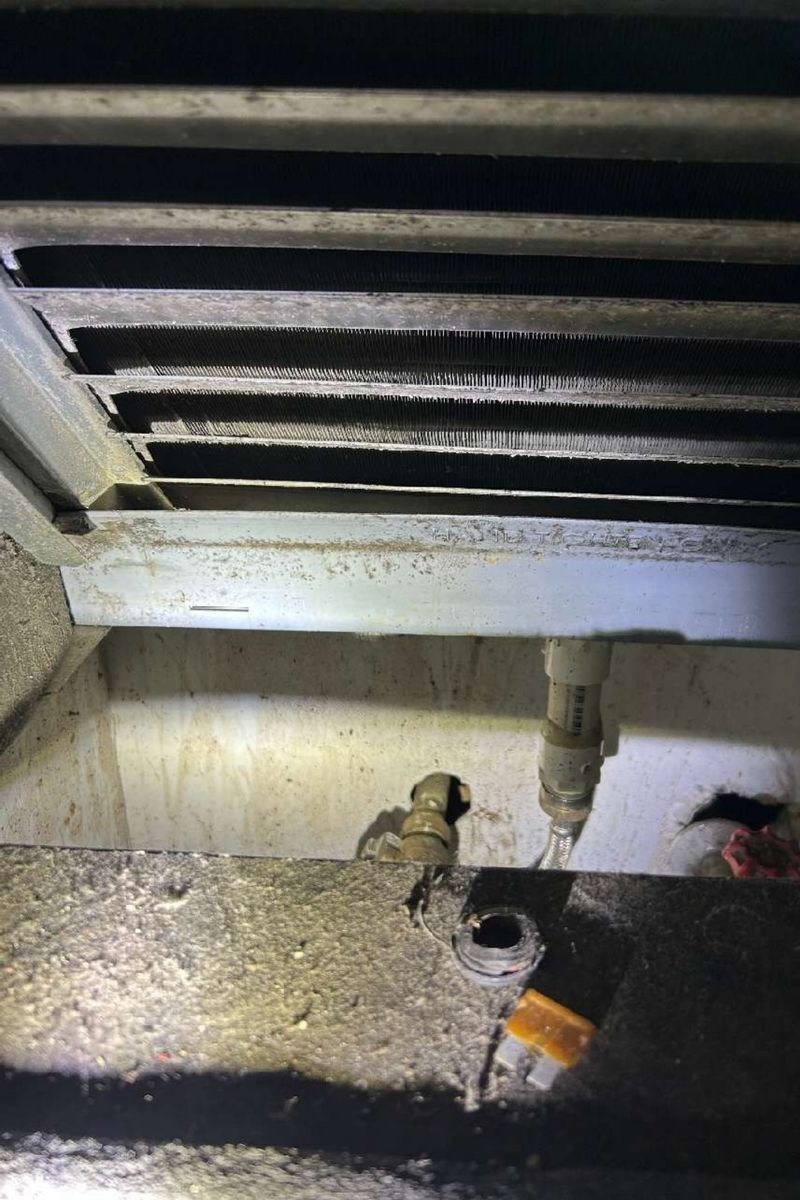
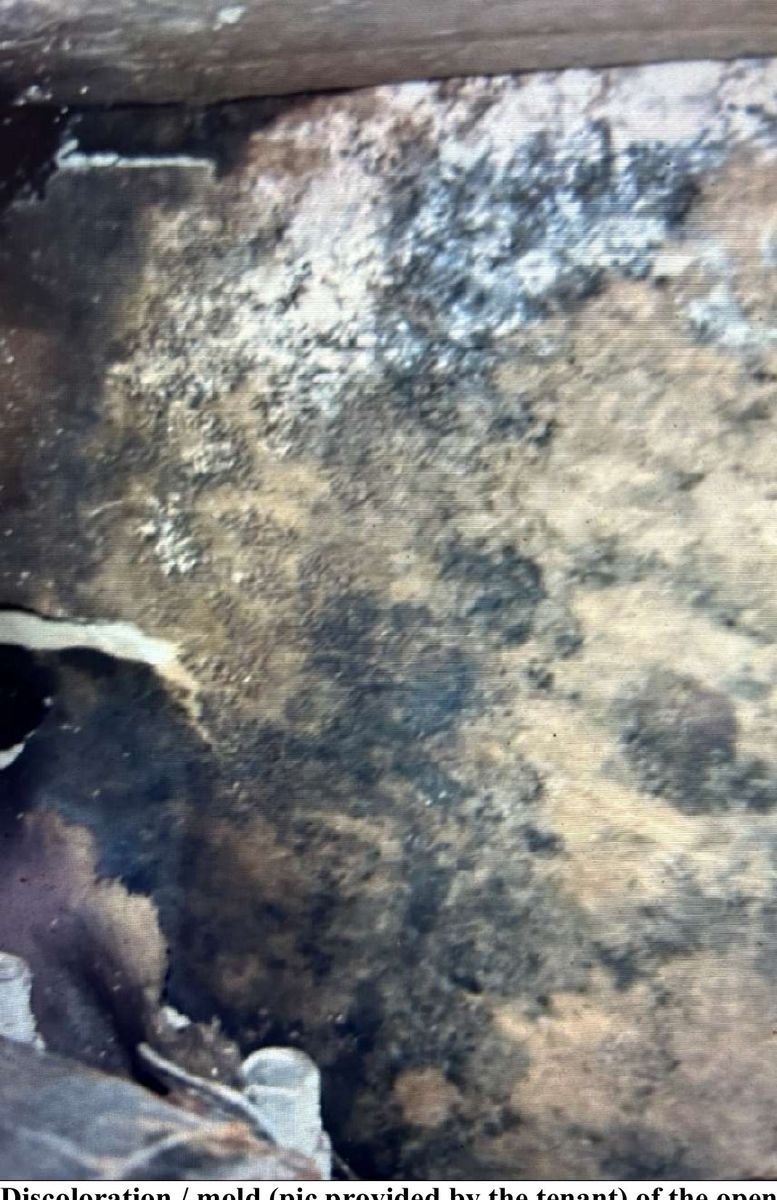
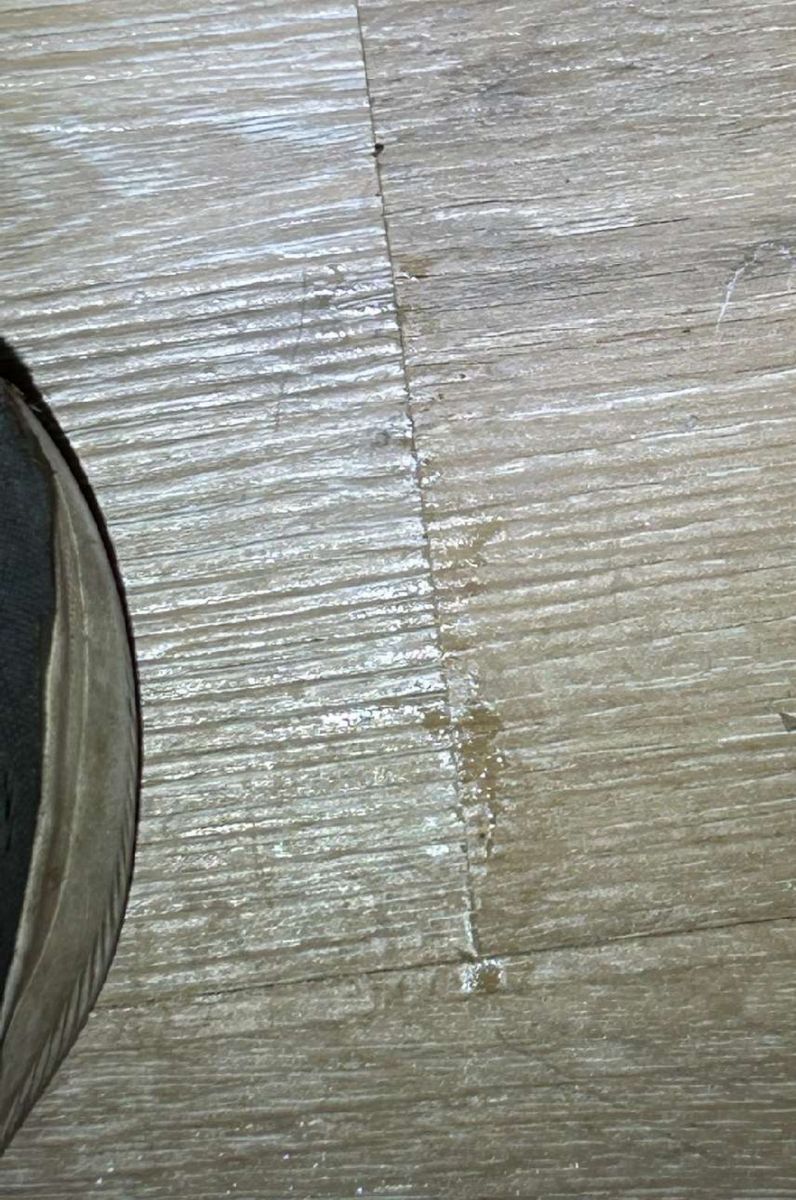
From a recent Elkins Park inspection
Real findings Bob documented on the job in Elkins Park — the detail that goes in your same-day, photo-rich report.
Why Choose Bob
Why do Elkins Park homeowners choose All Seasons?
You Always Get Bob
When you hire All Seasons, Bob personally oversees your inspection — start to finish. No corporate dispatch, no unknown inspector. You know exactly who's walking through your Elkins Park home.
InterNACHI Certified
InterNACHI Certified Professional Inspector with 20+ years of specialized expertise in Montgomery County's 1910s–1960s housing stock.
24-Hour Reports
Your detailed, photo-rich inspection report delivered the same day. No waiting — so you can make decisions within your contract timeline.
Early to mid-20th century Expertise
Bob has deep experience with 1920s–1940s construction — homes built with real craftsmanship but aging infrastructure. He knows the common failure points: clay laterals, layered electrical upgrades, oil-to-gas conversions, and plaster moisture issues that other inspectors miss.
Get in Touch
How do I schedule an inspection in Elkins Park?
Same-week appointments available throughout the Philadelphia region.
Tell Us About Your Property
Bob returns every call within 24 hours. Inspections typically scheduled within the week. No spam, no email lists.
What Elkins Park Clients Say
"Moved from out of state and couldn't attend in person. Bob did a video walkthrough with me during the inspection so I could see everything in real time. Above and beyond. I felt totally confident purchasing our Elkins Park home."
Common Questions
What are common home inspection questions in Elkins Park?
Questions buyers and sellers in Elkins Park ask us most often — answered directly.