Professional Home Inspection in Germantown, PA
InterNACHI-certified home inspection serving Germantown and all of Philadelphia County. Bob personally inspects every major system — structure, roof, electrical, plumbing, HVAC, foundation, and exterior envelope — against ASHI and InterNACHI standards. Full 24-hour photo-documented report. 4.9★, 174 Google reviews.
Inspections typically scheduled within the week. Bob returns every call within 24 hours.
Germantown, Philadelphia County
What does a home inspection in Germantown include?
A home inspection in Germantown, Philadelphia, PA is a top-to-bottom evaluation of a single property -- foundation, structure, roof, electrical, plumbing, HVAC, and exterior envelope -- performed in person by Bob against ASHI and InterNACHI standards, with a full photo-documented digital report delivered inside 24 hours.
Germantown is one of Philadelphia oldest and most architecturally layered neighborhoods, stretching along Germantown Avenue from Washington Lane up through Tulpehocken Street and beyond. The community was founded in 1683 by German and Dutch settlers and carries that deep history in virtually every block. Buyers exploring Germantown today encounter an extraordinary range of housing stock -- from Federal-era stone rowhouses near the Wyck Historic House and the Deshler-Morris House to Victorian twins and Craftsman-influenced semis built during the late 19th century development boom. The Germantown Cricket Club, founded in 1854 and still active on Manheim Street, anchors the western edge of the neighborhood alongside stately single-family homes that were once the summer retreats of wealthy Philadelphia families. Vernon Park provides a civic green at the center, framed by early 20th century commercial buildings and residential streets that hold some of the most distinctive stonework in the city. The Germantown Historical Society on Germantown Avenue preserves records of development going back centuries, and the nearby Cliveden mansion -- a National Trust Historic Site -- illustrates the caliber of construction this neighborhood has maintained across generations. The Johnson House Historic Site on Washington Lane adds Underground Railroad history to a streetscape already dense with significance. Chestnut Hill Hospital anchors the northern corridor, while the stretch between Chelten Avenue and Upsal Street contains a mix of institutional buildings, churches, and well-kept residential blocks. Buyers drawn to Germantown are often attracted by the craftsmanship, the scale of the homes, and the relative affordability compared to neighboring Chestnut Hill and Mt. Airy. What they are buying, in most cases, is a property that is 80 to 140 years old -- and that age brings specific considerations that a thorough home inspection is designed to surface before closing.
Walking into a Germantown property, Bob already knows what the house has likely been through. Decades of deferred maintenance, multiple renovation layers, and a century of Philadelphia weather all leave traces that an experienced eye learns to read quickly. The wide-plank floors, the deep-set window sills, the plaster ceilings -- these are features buyers love, and they are also indicators of a construction era that demands careful evaluation. On the majority of 1880s-1940s Germantown homes Bob inspects, he actively looks for three issues that appear again and again: knob-and-tube wiring still energized behind walls and under blown insulation, which creates a serious fire hazard especially when previous owners insulated attics without first deactivating the original circuits; stone foundation moisture intrusion and mortar joint deterioration, where a century of freeze-thaw cycles has opened pathways for water migration into basements that may look dry on a sunny inspection day; and lead paint on original trim, windows, and exterior surfaces, which is nearly universal in pre-1940 construction and becomes a priority concern during any renovation or for households with young children. Bob has inspected comparable homes throughout neighboring Mt. Airy and brings that cross-neighborhood pattern recognition to every Germantown appointment. Whether the property is a three-story stone twin on Tulpehocken, a rowhome near Wayne Junction, or a detached Colonial Revival near Awbury Arboretum, the inspection process is the same: every accessible system gets evaluated, every finding gets photographed, and you receive a plain-language report within 24 hours that tells you what needs immediate attention and what can be planned for over time. Call 610-348-6728 to schedule.
What does Bob check during a Germantown home inspection?
Bob approaches every Germantown inspection per ASHI and InterNACHI Standards of Practice. With 1880s–1940s housing stock dominant in Germantown, he focuses on the era-specific concerns that affect late 19th and early 20th century construction in Philadelphia County.
Stone & Rubble Foundations
Pre-1920 homes commonly have stone or rubble foundations with lime mortar joints that deteriorate over a century of exposure. Bob checks for shifting stones, mortar erosion, water seepage pathways, and structural settlement that can indicate foundation movement requiring professional stabilization.
Knob-and-Tube Wiring & Gas Pipe Conversions
Original knob-and-tube wiring is one of the most critical findings in pre-1920 homes — especially when insulation has been blown over active K&T, creating a fire hazard. Bob also evaluates gas pipe conversions from original coal or oil systems, checking for proper sizing, venting, and code compliance.
Original Slate Roofs & Historic Exteriors
Many pre-1920 homes retain original slate or clay tile roofs that, while durable, require specialized maintenance. Bob inspects for cracked or missing slates, deteriorating flashing, and aging copper gutters — plus original wood siding, decorative trim, and masonry that may show a century of weathering.
Lead Paint, Plaster Walls & Coal Chute Remnants
Original plaster-and-lath walls, lead paint on trim and windows, and sealed coal chute openings are hallmarks of pre-1920 construction. Bob documents these conditions and evaluates whether past renovations addressed or inadvertently worsened historical hazards.
Because so much of Germantown's housing stock predates 1940, original wiring is a recurring finding here. Bob wrote a detailed field guide on knob-and-tube wiring in Philadelphia-area homes — how to identify it, when it is genuinely hazardous, and what insurers require.
What are common issues in Germantown homes?
Based on 20+ years inspecting late 19th and early 20th century homes in Philadelphia County, these are the issues Bob finds most often in Germantown's 1880s–1940s housing stock:
- Knob-and-tube wiring still energized behind walls and under blown insulation
- Stone foundation moisture intrusion and mortar joint deterioration
- Lead paint on original trim, windows, and exterior surfaces
- Gas pipe conversions from original coal or oil systems with improper venting
- Original clay sewer laterals with root intrusion and bellied sections
- Aging slate or clay tile roofs with deteriorating flashing
Ready to schedule your Germantown inspection?
Inspections typically scheduled within the week. Bob returns every call within 24 hours.
Also Available: Mold Testing & Air Quality in Germantown
In addition to home inspections, Bob provides professional mold testing and air quality analysis for Germantown properties. PRO-LAB certified lab results starting from $290.
Learn About Mold Testing in GermantownSchedule Your Home Inspection in Germantown
Same-week appointments available. Bob personally oversees every inspection — you always know who's walking through your home.
610-348-6728Mon–Sat, 7am–7pm • Urgent pre-closing available
Get a Free Estimate See a Sample ReportInspection Services in Germantown
- Residential Home Inspection
- Pre-Listing Inspection
- New Construction Inspection
- 11-Month Warranty Inspection
- WDI / Termite Inspection
- Radon Testing
Pricing for Germantown
Every home is different. Call Bob for your specific quote — he'll give you an honest number on the spot.
See Full Pricing Details →More Germantown Pages
Nearby Areas Also Served
From the Field
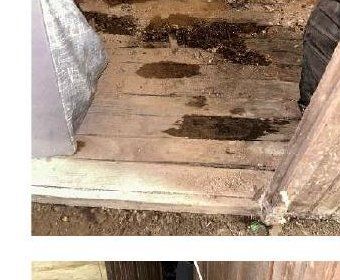
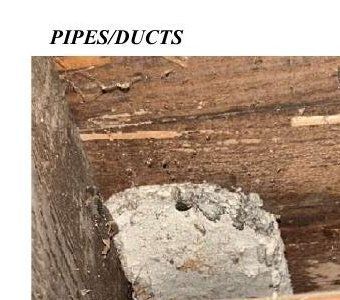
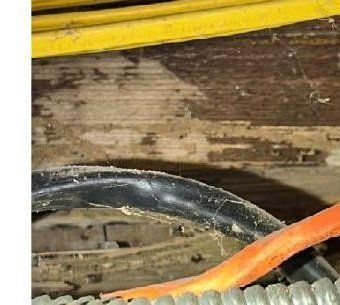
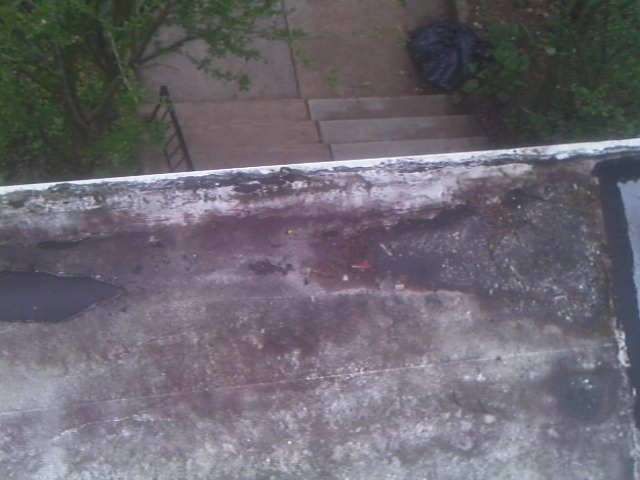
From a recent Germantown inspection
Real findings Bob documented on the job in Germantown — the detail that goes in your same-day, photo-rich report.
Why Choose Bob
Why do Germantown homeowners choose All Seasons?
You Always Get Bob
When you hire All Seasons, Bob personally oversees your inspection — start to finish. No corporate dispatch, no unknown inspector. You know exactly who's walking through your Germantown home.
InterNACHI Certified
InterNACHI Certified Professional Inspector with 20+ years of specialized expertise in Philadelphia County's 1880s–1940s housing stock.
24-Hour Reports
Your detailed, photo-rich inspection report delivered the same day. No waiting — so you can make decisions within your contract timeline.
Late 19th and early 20th century Expertise
Bob has inspected hundreds of pre-1920 homes across the Philadelphia region and understands their unique construction — from rubble stone foundations to knob-and-tube wiring to original slate roofs. He knows where these homes hide problems and what's normal aging versus what needs immediate attention.
From the Blog
What should Germantown homebuyers know about inspections?
Get in Touch
How do I schedule a home inspection in Germantown?
Same-week appointments available throughout the Philadelphia region.
Tell Us About Your Property
Bob returns every call within 24 hours. Inspections typically scheduled within the week. No spam, no email lists.
Common Questions
What are common home inspection questions in Germantown?
Questions buyers and sellers in Germantown ask us most often — answered directly.