Professional Home Inspection in Northeast Philadelphia, PA
InterNACHI-certified home inspection serving Northeast Philadelphia and all of Philadelphia County. Bob personally inspects every major system — structure, roof, electrical, plumbing, HVAC, foundation, and exterior envelope — against ASHI and InterNACHI standards. Full 24-hour photo-documented report. 4.9★, 174 Google reviews.
Inspections typically scheduled within the week. Bob returns every call within 24 hours.
Northeast Philadelphia, Philadelphia County
What does a home inspection in Northeast Philadelphia include?
A home inspection in Northeast Philadelphia, Philadelphia County is a top-to-bottom evaluation of a single property — foundation, structure, roof, electrical, plumbing, HVAC, and exterior envelope — performed in person by Bob against ASHI and InterNACHI standards, with a full photo-documented digital report delivered inside 24 hours.
Northeast Philadelphia is the part of the city that does not look or inspect like the rest of Philadelphia. Drive east of Roosevelt Boulevard through Mayfair, Rhawnhurst, Fox Chase, Holme Circle, Bustleton, and Somerton and the rowhouse pattern that defines South Philly and Center City gives way to detached and semi-detached single-family homes on real lots. Capes, ranches, split-levels, and postwar singles dominate, built in a roughly 25-year window from the end of World War II through the late 1960s. Korman Builders and a handful of other mid-century developers put up entire subdivisions in the Far Northeast between 1950 and 1965 using the same floor plans street after street, which means houses on Grant Avenue, Welsh Road, Rhawn Street, and the side streets off Bustleton Avenue tend to share the same electrical layout, the same original boiler location, and the same roof-pitch geometry. Only the older sections of the Near Northeast — Frankford, Tacony, and the pockets of Holmesburg closest to the Delaware — carry the pre-war Victorian and brick rowhouse stock that most people picture when they hear the word Philadelphia. This is a suburban-within-the-city housing profile, and it drives a very different home-inspection scope than the rest of the city. Buyers comparing a 1958 Rhawnhurst Cape to a 1910 Tacony twin, or to a house across the county line in Abington or Cheltenham, need to know the scopes are genuinely different even though the zip codes are close.
Bob has inspected Northeast Philly homes for 20+ years, and the defect pattern on a Korman-built Cape in Rhawnhurst or a 1962 rancher in Bustleton is almost predictable before he pulls into the driveway. Aluminum branch-circuit wiring shows up consistently on builds from 1965 through the early 1970s, and the breaker panels in those houses are often original Federal Pacific Electric or Zinsco — two brands with documented failure-to-trip problems that Bob flags for full replacement, not repair. Original slate and asbestos-cement roofs have almost all been replaced with asphalt architectural shingles by now, and the quality of that replacement work ranges from excellent to clearly unpermitted. Finished basements are the single biggest wild card in this part of the city. On the late-1950s Capes around Rhawn Street, a basement rec room, half bath, or gas fireplace insert added with no permits on file at Philadelphia L&I is common, and the details are where the risk sits: gas lines tapped by a handyman and half-bath drains vented into an old coal chute are exactly what to check. That is a very normal NE Philly pattern. I also check for the oil-to-gas conversion pattern on any home built before 1960 — Bob has opened utility closets in Holmesburg where the old oil line was capped but never removed, and the buried tank was never decommissioned to Pennsylvania DEP standards. Aluminum-clad wood windows from the 1960s are routinely at end of life, and mid-century slab-on-grade ranches out toward Somerton show a consistent moisture pattern at the slab edge that the cinder-block basement homes do not. If you are buying across the line in Roxborough, Mt. Airy, or Germantown you are looking at a different housing vocabulary entirely, and the inspection scope shifts with it.
What does Bob check during a Northeast Philadelphia home inspection?
Bob approaches every Northeast Philadelphia inspection per ASHI and InterNACHI Standards of Practice. With 1940s–1970s housing stock dominant in Northeast Philadelphia, he focuses on the era-specific concerns that affect post-war and mid-century construction in Philadelphia County.
Post-War Foundations & Construction Shortcuts
Post-war homes were built rapidly to meet housing demand, sometimes with thinner foundation walls and simplified construction methods. Bob checks for settlement cracks, insufficient rebar in block foundations, and the shortcuts that characterized mass-produced housing of this era — including minimal crawlspace clearance.
Asbestos Pipe Wrap, Galvanized Plumbing & Undersized Panels
This era's homes frequently contain asbestos in floor tiles, pipe insulation, and duct tape. Bob also evaluates galvanized steel plumbing — which corrodes from the inside after 50-70 years, reducing water pressure and quality — and electrical panels that may be undersized for modern demands (60-100 amp services).
Asphalt Roofing & Cape Cod Ventilation Problems
Post-war homes introduced mass-produced asphalt shingles that have been replaced at least once by now. Bob inspects current roofing condition and pays particular attention to Cape Cod and split-entry designs where inadequate attic ventilation creates ice dam risks and premature roof failure.
Asbestos Floor Tiles, Original Windows & Insulation Gaps
9x9-inch floor tiles are a telltale sign of asbestos-containing materials common in 1940s–1960s homes. Bob documents these conditions alongside original single-pane windows, insufficient wall insulation, and early drywall installations that may mask underlying moisture issues.
In 1940s–1970s homes like most of Northeast Philadelphia's, the electrical panel is one of the most common write-ups. Bob's guide to Federal Pacific and Zinsco panels covers how to identify one yourself and what replacement actually costs.
What are common issues in Northeast Philadelphia homes?
Based on 20+ years inspecting post-war and mid-century homes in Philadelphia County, these are the issues Bob finds most often in Northeast Philadelphia's 1940s–1970s housing stock:
- Asbestos in 9x9 floor tiles, pipe insulation, and boiler components
- Galvanized steel plumbing with internal corrosion reducing water pressure
- Undersized electrical panels (60-100 amp) unable to support modern loads
- Poor attic ventilation in Cape Cod designs causing ice dams and moisture damage
- Original single-pane windows with failed glazing and air infiltration
- Basement moisture from minimal or absent exterior waterproofing
Ready to schedule your Northeast Philadelphia inspection?
Inspections typically scheduled within the week. Bob returns every call within 24 hours.
Also Available: Mold Testing & Air Quality in Northeast Philadelphia
In addition to home inspections, Bob provides professional mold testing and air quality analysis for Northeast Philadelphia properties. PRO-LAB certified lab results starting from $290.
Learn About Mold Testing in Northeast PhiladelphiaSchedule Your Home Inspection in Northeast Philadelphia
Same-week appointments available. Bob personally oversees every inspection — you always know who's walking through your home.
610-348-6728Mon–Sat, 7am–7pm • Urgent pre-closing available
Get a Free Estimate See a Sample ReportInspection Services in Northeast Philadelphia
- Residential Home Inspection
- Pre-Listing Inspection
- New Construction Inspection
- 11-Month Warranty Inspection
- WDI / Termite Inspection
- Radon Testing
Pricing for Northeast Philadelphia
Every home is different. Call Bob for your specific quote — he'll give you an honest number on the spot.
See Full Pricing Details →More Northeast Philadelphia Pages
Nearby Areas Also Served
From the Field
From a recent Northeast Philadelphia inspection
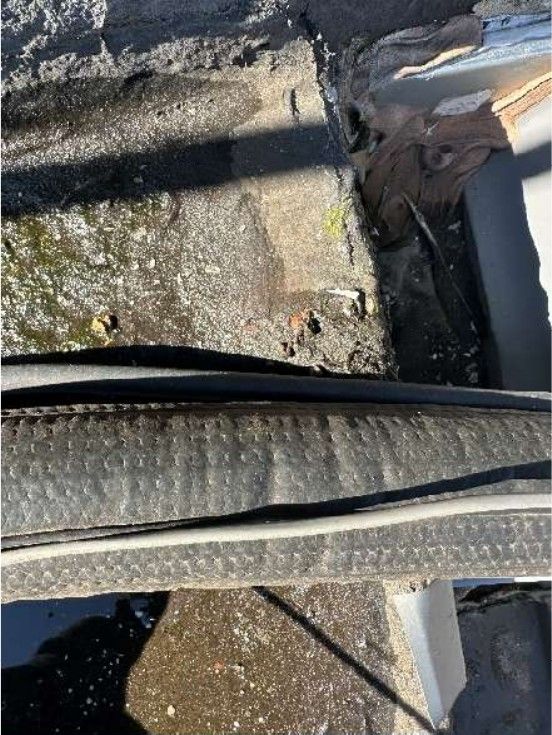
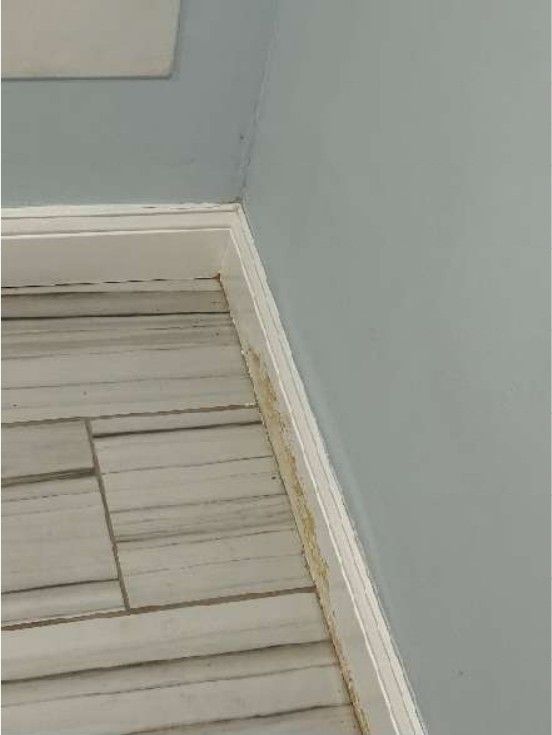
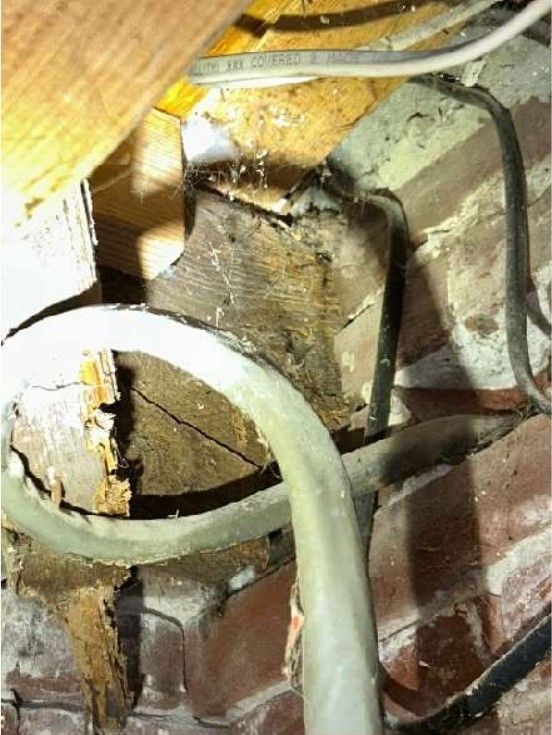
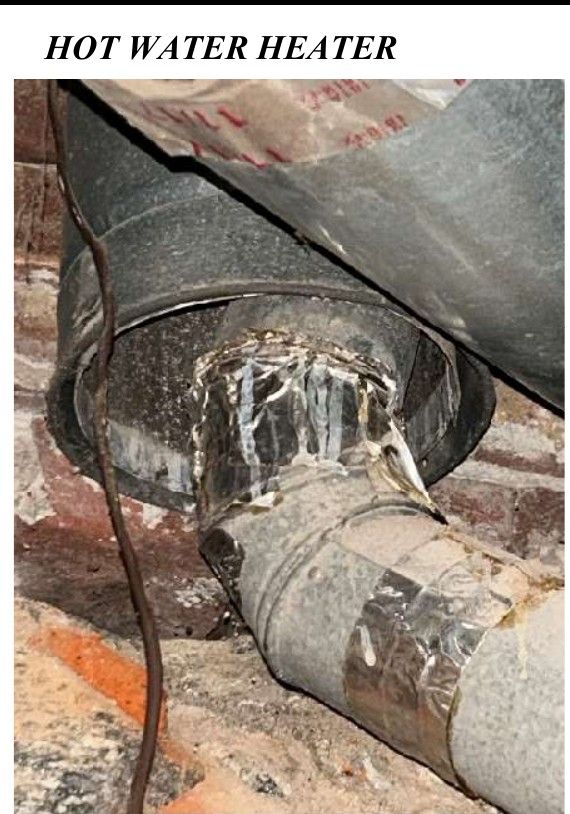
Real findings Bob documented on the job in Northeast Philadelphia — the detail that goes in your same-day, photo-rich report.
Why Choose Bob
Why do Northeast Philadelphia homeowners choose All Seasons?
You Always Get Bob
When you hire All Seasons, Bob personally oversees your inspection — start to finish. No corporate dispatch, no unknown inspector. You know exactly who's walking through your Northeast Philadelphia home.
InterNACHI Certified
InterNACHI Certified Professional Inspector with 20+ years of specialized expertise in Philadelphia County's 1940s–1970s housing stock.
24-Hour Reports
Your detailed, photo-rich inspection report delivered the same day. No waiting — so you can make decisions within your contract timeline.
Post-war and mid-century Expertise
Bob has inspected thousands of post-war homes across the Philadelphia suburbs — the Cape Cods, ranches, and split-levels that define this region. He knows exactly where asbestos hides, which galvanized pipe sections fail first, and how to evaluate the shortcuts builders took during the post-war housing boom.
From the Blog
What should Northeast Philadelphia homebuyers know about inspections?
Get in Touch
How do I schedule a home inspection in Northeast Philadelphia?
Same-week appointments available throughout the Philadelphia region.
Tell Us About Your Property
Bob returns every call within 24 hours. Inspections typically scheduled within the week. No spam, no email lists.
Common Questions
What are common home inspection questions in Northeast Philadelphia?
Questions buyers and sellers in Northeast Philadelphia ask us most often — answered directly.