Home Inspector Northeast Philadelphia, PA | Home Inspection & Mold Testing
All Seasons provides professional home inspections and PRO-LAB certified mold testing in Northeast Philadelphia, Philadelphia County. InterNACHI-certified owner-operator Bob personally performs every inspection — 20+ years experience, 4.9 stars on Google, 24-hour reports. Home inspections from $325, mold testing from $290. Call 610-348-6728 for a free estimate.
Northeast Philadelphia, Philadelphia County
What home inspection and mold testing services are available in Northeast Philadelphia?
Northeast Philadelphia covers more ground than most whole townships, and the housing changes character every few miles along Roosevelt Boulevard. Down in the Lower Northeast, Tacony, Holmesburg, Mayfair and Wissinoming are dense grids of brick row homes with shared party walls, shallow front yards and full basements poured before the war. Push north past Cottman Avenue into Rhawnhurst, Castor Gardens and Oxford Circle and the rows give way to post-war twins and airlites built fast during the late 1940s and 1950s housing rush. Keep going up Bustleton Avenue and Grant Avenue into Fox Chase, Burholme and Somerton and you find split-levels, Cape Cods and brick ranchers on wider lots, most of them from the 1950s and 1960s. The Far Northeast around Parkwood, Academy Gardens, Morrell Park and Torresdale filled in later still, with construction pushed right up against Pennypack Park, Poquessing Creek and the Delaware riverfront near Glen Foerd. That spread matters for property condition. Homes along Pennypack Creek and Tacony Creek sit on ground that drains slowly and pushes water toward basement walls built with minimal exterior waterproofing. Row and twin blocks share drainage, roof edges and sometimes sewer laterals with the neighbors, so one property's problem quickly becomes the next one's. And nearly every home in this stretch of the city has been through at least one roof replacement, one heating conversion and one kitchen renovation, each of which can hide as much as it fixes.
The thing Bob tells Northeast Philadelphia buyers is that the address tells him what to look for before he opens the door. In a Mayfair or Tacony row he starts at the roof edge and in the basement, because low-slope roofs over rows leak at the seams and the water shows up two floors down. In a Rhawnhurst twin or a Somerton split-level he traces galvanized supply lines, checks for the 9x9 floor tiles that usually mean asbestos, and looks at panels that still run 60 to 100 amps. The attic kneewall spaces in the Cape Cods around Fox Chase and Burholme are where he finds condensation and dark roof sheathing more often than almost anywhere else he works. Because he does all three services himself, none of that turns into a scavenger hunt for you. If a home inspection turns up a damp basement corner in Holmesburg or a musty finished basement in Parkwood, he can take mold samples on the same visit and send them to a PRO-LAB certified lab. If the worry is asbestos dust or decades of buildup in old galvanized ductwork instead, air quality testing covers that. Same inspector, one schedule, one conversation, not three vendors comparing notes. Bob has worked these blocks for over 20 years, from the Boulevard out to Torresdale and down into Philadelphia proper. Call him at 610-348-6728, tell him the street, and he will tell you what he usually finds there.
What does a home inspection in Northeast Philadelphia include?
Bob approaches every Northeast Philadelphia inspection per ASHI and InterNACHI Standards of Practice. With 1940s–1970s housing stock dominant in Northeast Philadelphia, Bob pays particular attention to the era-specific issues that affect post-war and mid-century construction in Philadelphia County.
Post-War Foundations & Construction Shortcuts
Post-war homes were built rapidly to meet housing demand, sometimes with thinner foundation walls and simplified construction methods. Bob checks for settlement cracks, insufficient rebar in block foundations, and the shortcuts that characterized mass-produced housing of this era — including minimal crawlspace clearance.
Asbestos Pipe Wrap, Galvanized Plumbing & Undersized Panels
This era's homes frequently contain asbestos in floor tiles, pipe insulation, and duct tape. Bob also evaluates galvanized steel plumbing — which corrodes from the inside after 50-70 years, reducing water pressure and quality — and electrical panels that may be undersized for modern demands (60-100 amp services).
Asphalt Roofing & Cape Cod Ventilation Problems
Post-war homes introduced mass-produced asphalt shingles that have been replaced at least once by now. Bob inspects current roofing condition and pays particular attention to Cape Cod and split-entry designs where inadequate attic ventilation creates ice dam risks and premature roof failure.
Asbestos Floor Tiles, Original Windows & Insulation Gaps
9x9-inch floor tiles are a telltale sign of asbestos-containing materials common in 1940s–1960s homes. Bob documents these conditions alongside original single-pane windows, insufficient wall insulation, and early drywall installations that may mask underlying moisture issues.
How does mold testing work in Northeast Philadelphia?
Post-war homes from the 1940s–1960s are among the most common properties Bob tests for mold. Their combination of aging plumbing, minimal waterproofing, and early HVAC systems creates multiple moisture pathways.
Galvanized plumbing pinhole leaks inside walls creating hidden moisture damage
Undersized or absent bathroom exhaust fans allowing humidity to accumulate
Cape Cod and split-level designs with condensation-prone attic kneewall spaces
Original basement floor drains connected to deteriorating clay or cast iron lines
Clear Results & Honest Recommendations
Bob walks you through exactly what the lab results mean — no jargon, no panic. All samples go to a PRO-LAB certified lab with results in 2-3 days. Mold testing starts at $290.
What are common issues in Northeast Philadelphia homes?
Based on 20+ years inspecting post-war and mid-century homes in Philadelphia County, these are the issues Bob finds most often in Northeast Philadelphia's 1940s–1970s housing stock:
- Asbestos in 9x9 floor tiles, pipe insulation, and boiler components
- Galvanized steel plumbing with internal corrosion reducing water pressure
- Undersized electrical panels (60-100 amp) unable to support modern loads
- Poor attic ventilation in Cape Cod designs causing ice dams and moisture damage
- Original single-pane windows with failed glazing and air infiltration
- Basement moisture from minimal or absent exterior waterproofing
Schedule in Northeast Philadelphia
Same-week appointments available. Bob personally oversees every inspection — you always know who's walking through your home.
610-348-6728Mon–Sat, 7am–7pm • Urgent pre-closing available
Get a Free EstimateServices Available in Northeast Philadelphia
- Residential Home Inspection
- Mold Testing & Air Quality
- Radon Testing
- Pre-Listing Inspection
- New Construction Inspection
- WDI / Termite Inspection
- 11-Month Warranty Inspection
Pricing for Northeast Philadelphia
Every home is different. Call Bob for your specific quote — he'll give you an honest number on the spot.
See Full Pricing Details →Detailed Northeast Philadelphia Service Pages
From the Field
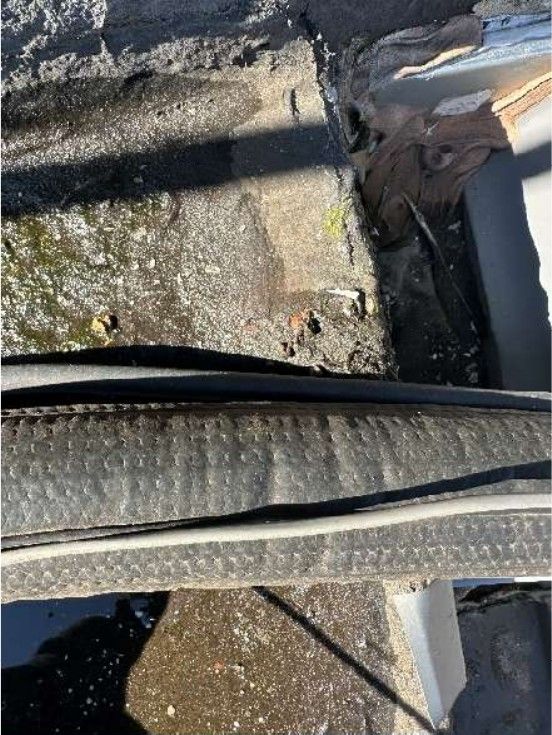
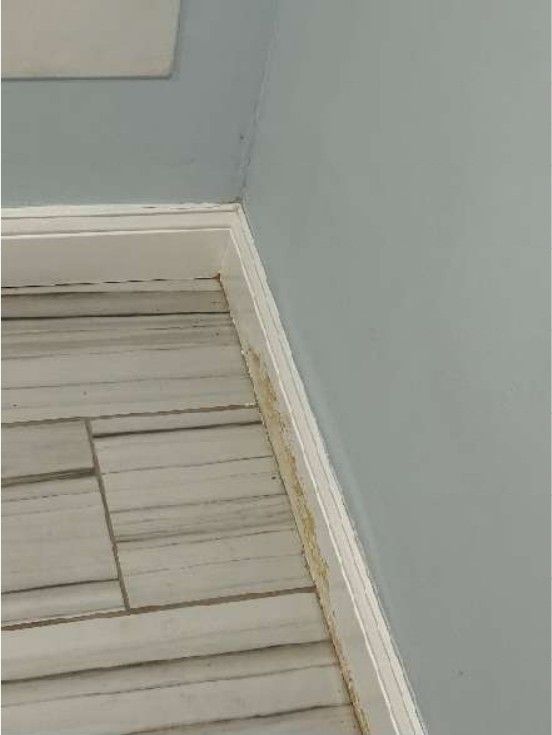
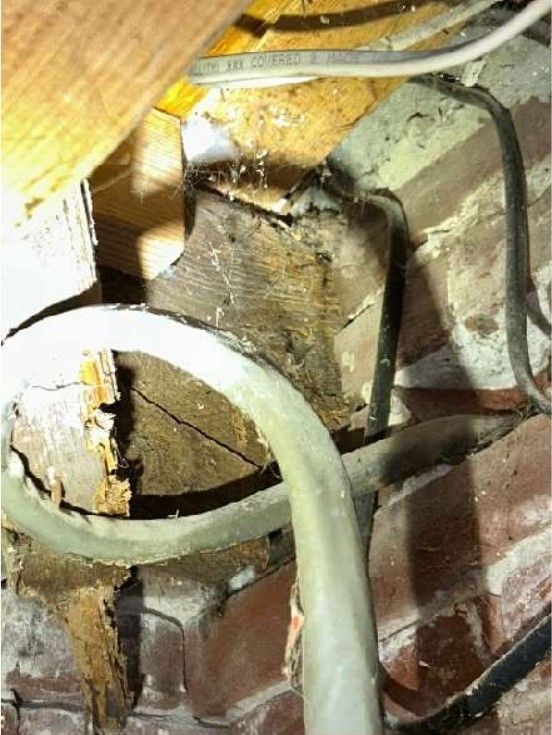
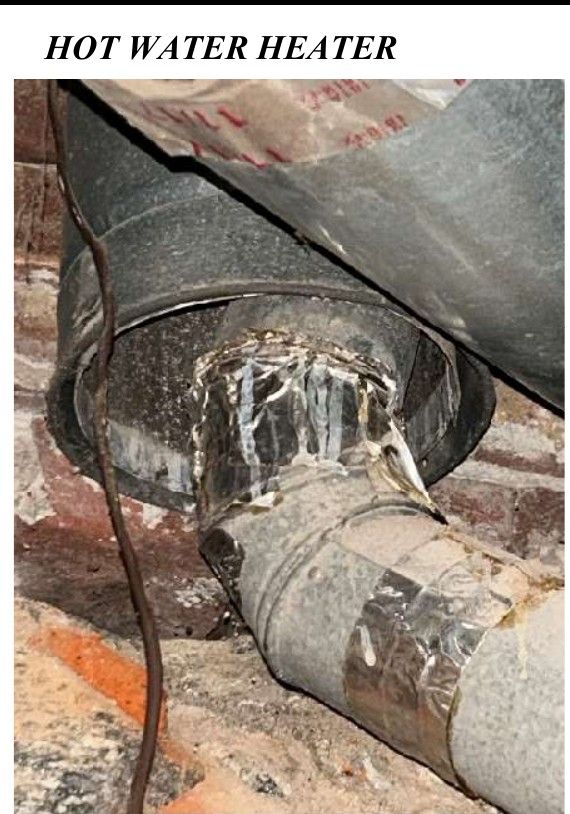
From a recent Northeast Philadelphia inspection
Real findings Bob documented on the job in Northeast Philadelphia — the detail that goes in your same-day, photo-rich report.
Why Choose Bob
Why do Northeast Philadelphia homeowners choose All Seasons?
You Always Get Bob
When you hire All Seasons, Bob personally oversees your inspection — start to finish. No corporate dispatch, no unknown inspector. You know exactly who's walking through your Northeast Philadelphia home.
InterNACHI Certified
InterNACHI Certified Professional Inspector with 20+ years of specialized expertise in Philadelphia County's 1940s–1970s housing stock.
24-Hour Reports
Your detailed, photo-rich inspection report delivered the same day. No waiting — so you can make decisions within your contract timeline.
Post-war and mid-century Expertise
Bob has inspected thousands of post-war homes across the Philadelphia suburbs — the Cape Cods, ranches, and split-levels that define this region. He knows exactly where asbestos hides, which galvanized pipe sections fail first, and how to evaluate the shortcuts builders took during the post-war housing boom.
Get in Touch
How do I schedule an inspection in Northeast Philadelphia?
Same-week appointments available throughout the Philadelphia region.
Tell Us About Your Property
Bob returns every call within 24 hours. Inspections typically scheduled within the week. No spam, no email lists.
Common Questions
What are common home inspection questions in Northeast Philadelphia?
Questions buyers and sellers in Northeast Philadelphia ask us most often — answered directly.