Professional Home Inspection in Roxborough, PA
InterNACHI-certified home inspection serving Roxborough and all of Philadelphia County. Bob personally inspects every major system — structure, roof, electrical, plumbing, HVAC, foundation, and exterior envelope — against ASHI and InterNACHI standards. Full 24-hour photo-documented report. 4.9★, 174 Google reviews.
Inspections typically scheduled within the week. Bob returns every call within 24 hours.
Roxborough, Philadelphia County
What does a home inspection in Roxborough include?
A home inspection in Roxborough, Philadelphia County is a top-to-bottom evaluation of a single property — foundation, structure, roof, electrical, plumbing, HVAC, and exterior envelope — performed in person by Bob against ASHI and InterNACHI standards, with a full photo-documented digital report delivered inside 24 hours.
Roxborough sits on the high ridge above the Schuylkill River in Northwest Philadelphia, with Ridge Avenue running as its spine from the Manayunk border up through the Andorra section near the Montgomery County line. It is fundamentally a residential neighborhood, distinct in character from the commercial canal district of Manayunk one topographic step below it. Most of the housing stock is 1890s through 1930s brick twins and row-twins stepped up the terraced side streets off Ridge Avenue, Henry Avenue, and Domino Lane, with a pocket of Arts-and-Crafts singles in upper Andorra and some turned-wood Victorians on Leverington Avenue and Conarroe Street. Wissahickon schist foundations and retaining walls are everywhere, quarried from the same ridge the neighborhood is built on. The topography is the single biggest factor driving inspection findings here. Streets like Wigard Avenue, Hermit Lane, and the upper Leverington blocks drop steeply toward the Wissahickon Valley Park and Forbidden Drive entry at Valley Green, and water moves downhill through party walls, basement floors, and schist foundation joints in ways flat-lot neighborhoods never see. Roxborough Memorial Hospital, Roxborough High School, and the Cardinal Dougherty corridor anchor the middle of the ridge; the Schuylkill River Trail runs along the base.
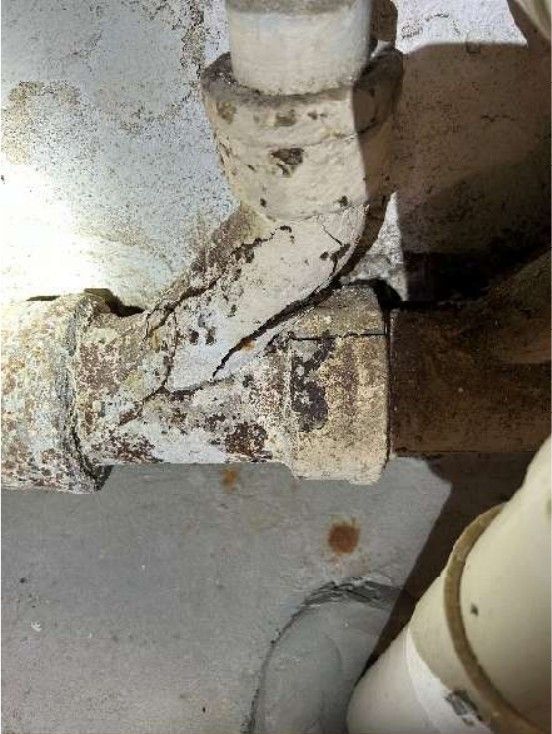
I have been inspecting homes in Roxborough for more than twenty years, and the defect pattern here is specific enough that I treat it differently than anywhere else in Philadelphia County. On the terraced twins off Ridge Avenue, a finished basement that looks clean and dry at the front wall can hide a party-wall seepage path behind paneling, with water entering from the uphill neighbor and tracking along the Wissahickon schist foundation joint where lime mortar has washed out. That is the most common Roxborough call I get, and it is invisible without pulling trim and checking the party-wall side at grade. Beyond that: cast-iron waste stacks from the 1910s and 1920s routinely show pinhole corrosion at the first-floor elbow, knob-and-tube wiring still lives in third-floor attic conversions on Conarroe Street and Manayunk Avenue where finished-attic permits often predate Philadelphia L and I electrical updates, original slate roofs on the older twins are frequently at end of life with failing copper flashing, and the turned-wood porch support columns on upper Leverington Victorians rot at the base from splash-back. My reports flag each of these with photos and plain-language explanations so buyers in Roxborough can separate normal century-home aging from the issues that need attention before closing.
What does Bob check during a Roxborough home inspection?
Bob approaches every Roxborough inspection per ASHI and InterNACHI Standards of Practice. With 1900s–1960s housing stock dominant in Roxborough, he focuses on the era-specific concerns that affect early to mid-20th century construction in Philadelphia County.
Block & Poured Foundations with Clay Laterals
1920s–1940s homes typically feature poured concrete or concrete block foundations — an improvement over stone, but still vulnerable to cracking and water intrusion after 80+ years. Bob pays special attention to clay sewer laterals common in this era, which suffer from tree root intrusion and joint separation.
Early Electrical Upgrades & Oil-to-Gas Conversions
Many homes from this era have had multiple electrical upgrades layered over original wiring — sometimes creating code violations where old and new systems connect improperly. Bob also evaluates oil-to-gas furnace conversions, checking that chimney liners, supply lines, and venting meet current safety standards.
Original Slate Roofs & Plaster-Over-Lath Moisture
Original slate and clay tile roofs from the 1920s–1940s may still be serviceable but require careful inspection for worn fasteners and deteriorating underlayment. Bob checks for plaster-over-lath moisture issues where exterior water intrusion saturates wall cavities behind intact-looking plaster surfaces.
Plaster Walls, Hardwood Floors & Early Insulation
These homes feature quality craftsmanship — hardwood floors, plaster walls, built-in cabinetry — but often lack adequate insulation by modern standards. Bob evaluates whether past insulation retrofits were done properly and checks for moisture trapped behind plaster from exterior or plumbing leaks.
Because so much of Roxborough's housing stock predates 1940, original wiring is a recurring finding here. Bob wrote a detailed field guide on knob-and-tube wiring in Philadelphia-area homes — how to identify it, when it is genuinely hazardous, and what insurers require.
What are common issues in Roxborough homes?
Based on 20+ years inspecting early to mid-20th century homes in Philadelphia County, these are the issues Bob finds most often in Roxborough's 1900s–1960s housing stock:
- Clay sewer laterals with tree root intrusion and bellied sections
- Layered electrical upgrades with code violations at old/new connections
- Oil-to-gas furnace conversions with improper chimney liner sizing
- Original slate or clay tile roofs reaching end of useful life
- Plaster-over-lath moisture damage hidden behind intact-looking walls
- Inadequate insulation and single-pane windows driving high energy costs
Ready to schedule your Roxborough inspection?
Inspections typically scheduled within the week. Bob returns every call within 24 hours.
Also Available: Mold Testing & Air Quality in Roxborough
In addition to home inspections, Bob provides professional mold testing and air quality analysis for Roxborough properties. PRO-LAB certified lab results starting from $290.
Learn About Mold Testing in RoxboroughSchedule Your Home Inspection in Roxborough
Same-week appointments available. Bob personally oversees every inspection — you always know who's walking through your home.
610-348-6728Mon–Sat, 7am–7pm • Urgent pre-closing available
Get a Free Estimate See a Sample ReportInspection Services in Roxborough
- Residential Home Inspection
- Pre-Listing Inspection
- New Construction Inspection
- 11-Month Warranty Inspection
- WDI / Termite Inspection
- Radon Testing
Pricing for Roxborough
Every home is different. Call Bob for your specific quote — he'll give you an honest number on the spot.
See Full Pricing Details →More Roxborough Pages
Nearby Areas Also Served
From the Field
From a recent Roxborough inspection
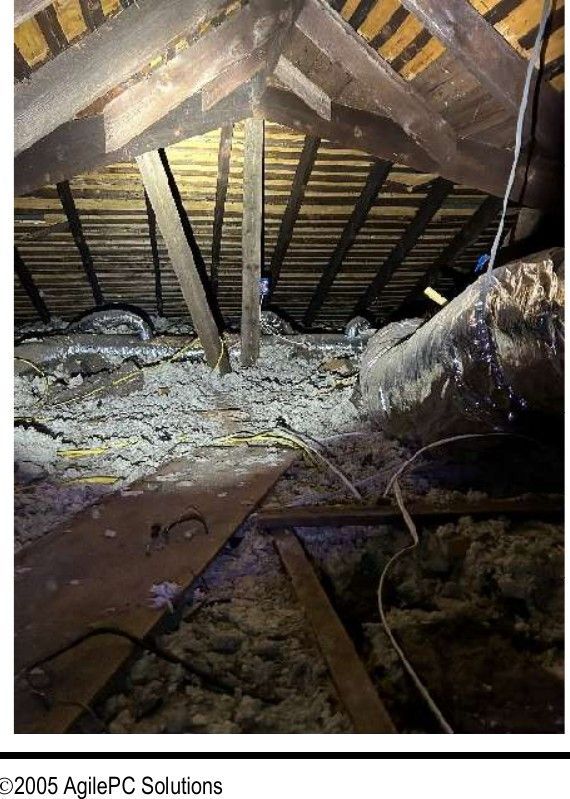
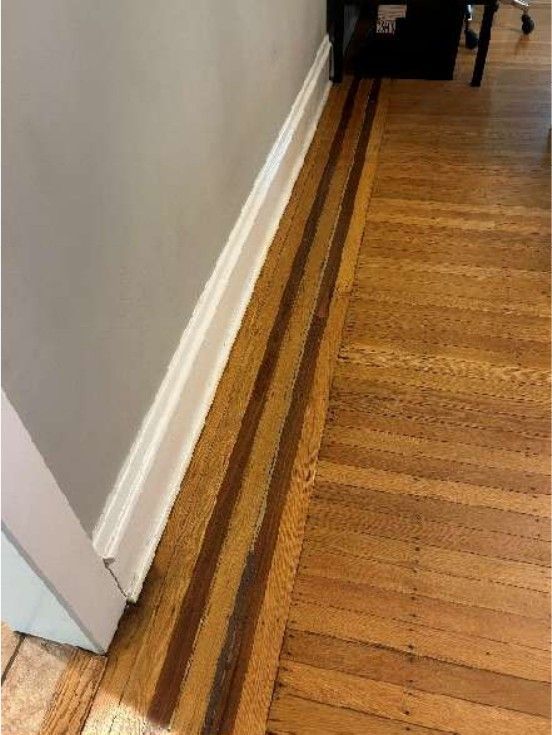
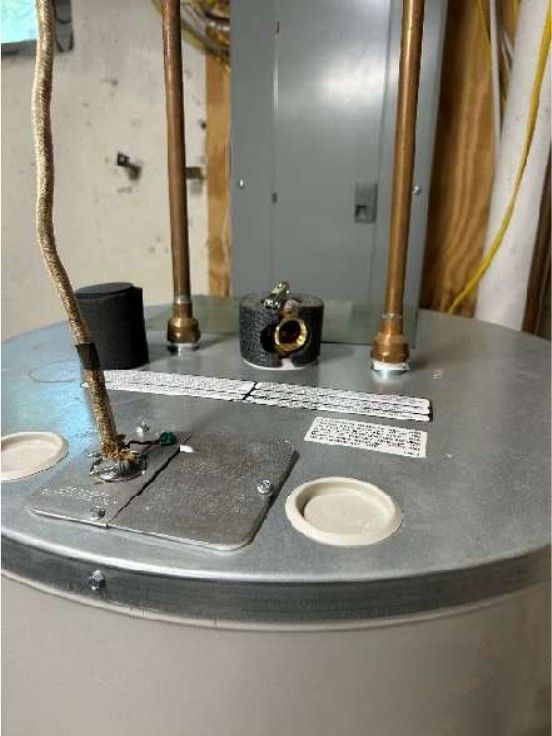
Real findings Bob documented on the job in Roxborough — the detail that goes in your same-day, photo-rich report.
Why Choose Bob
Why do Roxborough homeowners choose All Seasons?
You Always Get Bob
When you hire All Seasons, Bob personally oversees your inspection — start to finish. No corporate dispatch, no unknown inspector. You know exactly who's walking through your Roxborough home.
InterNACHI Certified
InterNACHI Certified Professional Inspector with 20+ years of specialized expertise in Philadelphia County's 1900s–1960s housing stock.
24-Hour Reports
Your detailed, photo-rich inspection report delivered the same day. No waiting — so you can make decisions within your contract timeline.
Early to mid-20th century Expertise
Bob has deep experience with 1920s–1940s construction — homes built with real craftsmanship but aging infrastructure. He knows the common failure points: clay laterals, layered electrical upgrades, oil-to-gas conversions, and plaster moisture issues that other inspectors miss.
From the Blog
What should Roxborough homebuyers know about inspections?
Get in Touch
How do I schedule a home inspection in Roxborough?
Same-week appointments available throughout the Philadelphia region.
Tell Us About Your Property
Bob returns every call within 24 hours. Inspections typically scheduled within the week. No spam, no email lists.
Common Questions
What are common home inspection questions in Roxborough?
Questions buyers and sellers in Roxborough ask us most often — answered directly.