Professional mold testing with All Seasons starts at $290 and includes air sample collection, accredited laboratory analysis, and a written report. Lab results identify the types of mold spores in your home and their concentrations, with results available within 2-3 business days. The test determines whether your indoor mold levels are elevated compared to normal outdoor conditions.
I've been testing homes for mold across the Philadelphia region for over 20 years, from the row homes of Germantown to the older twins of Upper Darby and the suburbs beyond. The area has specific conditions, including clay soils, humid summers, and older housing stock, that make mold a more common issue here than in many other parts of the country, and every Philadelphia-area homeowner should understand them.
Why Philadelphia Homes Are Prone to Mold
The Greater Philadelphia region ranks among the more mold-susceptible metro areas on the East Coast due to a convergence of climate, geography, and housing factors. Understanding these conditions helps explain why mold testing is particularly relevant for homeowners in this area.
- Humidity: Average relative humidity in Philadelphia runs about 68% to 70% from June through August. The EPA recommends indoor humidity below 50% to inhibit mold growth. During summer months, many Philadelphia homes, especially those without central air conditioning or with older HVAC systems, maintain indoor humidity levels well above this threshold.
- Rainfall: The Philadelphia area receives approximately 44 inches of rain annually, distributed fairly evenly across all months. This sustained moisture input keeps soil saturated around foundations for much of the year.
- Clay soils: Much of Montgomery, Delaware, and Chester counties sit on dense clay soils that retain water against foundations rather than draining it away. This creates hydrostatic pressure that pushes moisture through older foundation walls.
- Housing age: The median home age in Montgomery County exceeds 50 years. Homes built before the 1970s typically lack modern foundation waterproofing, vapor barriers, and adequate ventilation. Stone foundations common in older Chester County and Main Line homes are particularly porous.
- Finished basements: Many Philadelphia-area homeowners have finished their basements with drywall and carpet directly against foundation walls. This traps moisture between the finish material and the concrete, creating a concealed environment where mold thrives undetected.
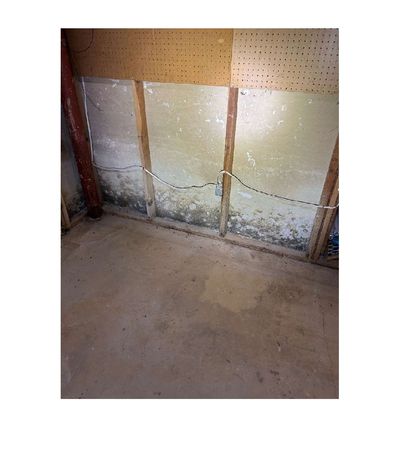
What does a professional mold test involve in the Philadelphia area?
A professional mold test in the Philadelphia area follows a standard protocol. The process takes 45 minutes to 1.5 hours on-site, depending on the size of the home and number of sample points, and follows these steps:
- Visual inspection: Before collecting samples, I walk the entire home looking for visible mold, water staining, moisture indicators, and conditions that could support mold growth. This assessment determines where to place air sample points for the most informative results.
- Air sample collection: Using a calibrated air pump, I collect air samples at each location of concern. Each sample takes 5 minutes to collect 75 liters of air through a spore trap cassette.
- Outdoor baseline: At least one outdoor sample establishes the normal background mold spore level. Without this comparison point, indoor results have no context.
- Moisture readings: I use a moisture meter to check walls, floors, and other materials near areas of concern. Elevated moisture readings indicate active conditions that support mold growth.
- Lab analysis and report: Samples ship to a PRO-LAB accredited laboratory. Within 2-3 business days, you receive a detailed report identifying each mold spore type and its concentration. I call you personally to explain what the results mean.
Which Philadelphia-area county has the worst mold risk?
Different parts of the Philadelphia region have distinct housing characteristics that affect mold risk. Based on inspections across the area, the table below shows what I typically find by county:
| County | Common Housing | Typical Mold Issues |
|---|---|---|
| Montgomery County | 1940s-1970s colonials, split-levels, twins | Basement moisture, finished basement concealment, older HVAC condensation |
| Philadelphia County | Row homes, twins, older detached | Shared wall moisture, flat roof leaks, poor drainage in alleys |
| Bucks County | Mix of old farmhouses and newer construction | Stone foundation seepage in older homes, crawlspace moisture in newer builds |
| Chester County | Stone farmhouses, Main Line estates, newer developments | Stone foundation porosity, spring-fed basements, attic condensation |
| Delaware County | 1920s-1960s rowhomes and twins | Basement flooding, aging plumbing leaks, poor attic ventilation |
| Camden/Burlington/Gloucester (NJ) | Mix of ranches, colonials, and newer construction | High water table, crawlspace moisture, slab-on-grade condensation |
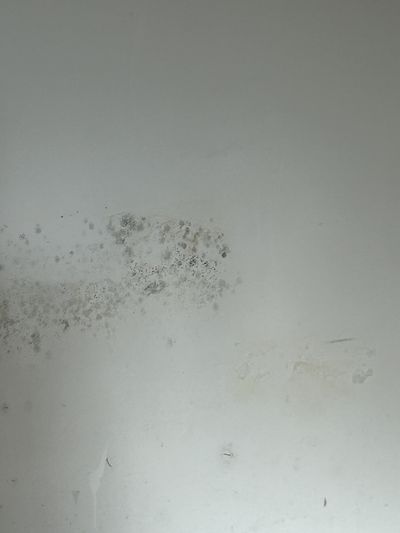
How do you choose a mold testing company in the Philadelphia area?
Not all mold testing is equal. The quality of the test depends on the equipment used, the laboratory analyzing the samples, and the experience of the person interpreting the results. Look for these qualities when choosing a mold testing company in the Philadelphia area:
- Laboratory certification: The testing company should use a PRO-LAB, EMSL, or equivalent accredited laboratory. Ask which lab they use and verify it's accredited. Accredited labs follow standardized analytical methods and quality control procedures.
- Professional certification: Look for InterNACHI or ASHI membership, which requires ongoing education and adherence to standards of practice. In Pennsylvania, there is no state licensing requirement specifically for mold testing, which means certification from a national organization is the primary quality indicator.
- Sampling method: The inspector should use calibrated spore trap air sampling, not settle plates or surface swabs alone. Spore trap sampling provides quantitative data, actual spore counts per cubic meter, that settle plates cannot.
- Independence from remediation: The person testing your air should not also sell remediation services. This conflict of interest can lead to inflated results or unnecessary recommendations. Ask directly: "Do you perform mold remediation or receive referral fees from remediation companies?"
- Personal results review: The inspector should personally review lab results with you and explain what the numbers mean. A mailed report without interpretation leaves you with data but no understanding.
When should Philadelphia homeowners get a mold test?
Based on two decades of testing homes in this region, I recommend mold testing in these specific situations:
- Home purchase: Add mold testing to your home inspection, especially for homes with basements, homes older than 30 years, or any property showing water staining. The cost of testing (starting at $290) is small compared to remediation costs or the health implications of living with elevated mold.
- Musty odors: A persistent musty or earthy smell indicates active microbial growth somewhere in the home. Air testing identifies the source and severity.
- After water events: If your home has experienced flooding, pipe bursts, or significant roof leaks, mold can establish within 24-48 hours. Test 2-3 weeks after the event and after materials have been dried or removed.
- Health symptoms: If household members experience respiratory symptoms, congestion, or allergic reactions that improve when leaving the home, indoor air quality should be evaluated.
- Post-remediation verification: After mold remediation, a clearance test confirms that the work was effective and spore levels have returned to normal. Never accept remediation as complete without a post-remediation air test performed by an independent company, not the remediator.
If you're in the Greater Philadelphia area and need mold testing, visit our Philadelphia mold testing and inspection page for full local details, pricing, and area-specific patterns, or call me directly at 610-348-6728. I typically have same-week availability and can provide lab results within a week of your call. I serve all five PA counties plus Camden, Burlington, and Gloucester counties in NJ.
Need Professional Mold Testing?
All Seasons provides PRO-LAB certified mold testing and air quality analysis across the Philadelphia region and South Jersey. Owner-operator Bob personally collects all samples. Results in 2-3 days. Call 610-348-6728 for a free estimate.
Mold Testing Across Philadelphia and Suburbs:
Philadelphia Northeast Philadelphia Germantown Upper Darby Norristown Cheltenham Ardmore