Mold Inspection & Testing in Ardmore, PA
All Seasons provides professional mold inspection and testing in Ardmore, Montgomery County, PA. PRO-LAB certified lab results in 2-3 days with clear interpretation. Owner-operator Bob personally collects every sample — 20+ years experience, no conflict of interest. Starting from $290. Call 610-348-6728 for a free estimate.
Ardmore, Montgomery County, PA
How does mold testing work in Ardmore?
Ardmore sits at the heart of the Main Line, straddling the border of Lower Merion Township and Haverford Township along one of the Philadelphia region's most storied residential corridors. Lancaster Avenue and Montgomery Avenue cut through the community in long, tree-shaded stretches lined with stone colonials, Victorian twins, pre-war Tudors, and dense rowhouses that step down toward the SEPTA Ardmore station. Cricket Avenue and its side streets open onto some of the older residential pockets in the township, where late 19th-century construction meets the humidity and drainage challenges of a landscape shaped long before modern waterproofing existed. In the Ardmore Junction area, older brick and stone twins crowd close to the rail corridor. The Suburban Square neighborhood sits in relative proximity to newer commercial development, but the residential blocks east and west along Haverford Avenue and toward the Haverford Township border are built on a housing stock that dates almost entirely to before 1920. That matters enormously when it comes to mold. Pre-1920 stone foundations were laid with lime mortar on rubble stone — materials that absorb and transmit moisture with almost no resistance. Original builders did not install vapor barriers, perimeter drains, or mechanical ventilation in basement spaces. The unventilated cellars beneath these homes have been managing seasonal groundwater and humidity for over a century, and many of them show it. Add in the clay drainage tiles that were standard in that era — tiles that crack, belly, and clog with tree roots over time — and you have conditions that create persistent mold pressure at grade and below. Ardmore homeowners and buyers navigating this housing stock deserve honest, laboratory-confirmed answers about what is actually growing in their air.
I have been inspecting homes on the Main Line for more than 20 years, and Ardmore's pre-war housing stock presents a set of mold risk patterns I recognize the moment I walk into a basement. The stone foundations in this part of Lower Merion are primarily rubble construction — irregular fieldstone set in lime mortar that has been shifting and cracking since the Eisenhower administration. Lime mortar is soft. It weathers. Over time, joints open up at the foundation wall, and groundwater that has nowhere else to go finds those gaps and migrates inward. There is no vapor barrier beneath most of these slab or earth floors, so the moisture that enters does not leave quickly. It sits, it raises humidity, and it feeds mold colonies on wood framing, stored materials, and the dust that accumulates along floor joists. The clay drain tiles that run around the foundation perimeter in homes of this era — when they are present at all — are often cracked or offset at their joints, clogged with decades of root intrusion, or pitched wrong from soil movement. I find standing water and chronic dampness in Ardmore basements that owners have simply accepted as normal. It is not normal. It is a mold risk that deserves a calibrated air sample and a laboratory result, not a guess. Homes near the lower-elevation streets east of the SEPTA Ardmore station are particularly prone to seasonal water intrusion, and the narrow Victorian twins along the Ardmore Junction corridor often share foundation walls that complicate drainage on both sides of the party line. If you are buying, selling, or simply concerned about air quality in an older Ardmore home, I do the same work I do in Havertown and across the region: a thorough air sampling visit with a calibrated outdoor baseline, PRO-LAB certified laboratory analysis, and a written report you can actually understand. Every sample I collect in Ardmore, I collect personally. No rotating technicians, no subcontracted lab crew. Bob walks every client through the results in plain language — what the counts mean, whether remediation is needed, and who to call if it is. No jargon, no scare tactics. Call 610-348-6728 to schedule.
Why are Ardmore's 1890s–1950s homes at risk for mold?
Homes from the 1920s–1940s combine aging infrastructure with building practices that create persistent moisture pathways — clay sewer laterals, minimal foundation waterproofing, and plaster walls that mask moisture damage.
Clay sewer laterals with tree root intrusion causing backup and sub-slab moisture
Oil-to-gas conversion furnaces with condensation issues from improper chimney liner sizing
Plaster-over-lath walls that hold moisture for extended periods without visible exterior signs
Basement window wells with deteriorating drainage directing water toward foundation walls
How does Bob test for mold in Ardmore?
Bob follows a systematic approach calibrated to the specific risks of early to mid-20th century construction in Montgomery County. All sampling protocols follow EPA mold testing guidelines:
Indoor Air Quality Sampling
Bob collects air samples from areas of concern and compares them against outdoor baseline readings. This comparison reveals whether indoor mold levels are elevated beyond what's normal for the environment.
PRO-LAB Certified Lab Analysis
All samples go to a PRO-LAB certified laboratory — the gold standard in environmental testing. Results return in 2-3 business days with a full written interpretation.
Clear Results & Honest Recommendations
Bob walks you through exactly what the lab results mean — no jargon, no panic. If remediation is needed, he'll explain what's involved so you can make informed decisions.
What are common issues in Ardmore homes?
Based on 20+ years testing early to mid-20th century homes in Montgomery County, these are the issues Bob finds most often:
- Clay sewer laterals with tree root intrusion and bellied sections
- Layered electrical upgrades with code violations at old/new connections
- Oil-to-gas furnace conversions with improper chimney liner sizing
- Original slate or clay tile roofs reaching end of useful life
- Plaster-over-lath moisture damage hidden behind intact-looking walls
- Inadequate insulation and single-pane windows driving high energy costs
Also Available: Home Inspection in Ardmore
In addition to mold testing, Bob provides comprehensive home inspections for Ardmore properties. InterNACHI certified, starting from $325.
Learn About Home Inspection in ArdmoreSchedule Mold Testing in Ardmore
Same-week appointments available. Bob personally collects every sample — you always know who's in your home.
610-348-67287 days, 7am–midnight
Get a Free EstimateServices Available in Ardmore
- Air Sampling
- Surface / Bulk Sampling
- Visual Mold Assessment
- Pre / Post-Remediation Testing
Mold Testing Pricing
Every property is different. Call Bob for your specific quote — he'll give you an honest number on the spot.
See Full Pricing Details →More Ardmore Pages
Nearby Areas Also Served
Ardmore is one of the Montgomery County communities Bob covers. For the wider picture of how mold testing works across the county, the moisture patterns that repeat here, and every town served, see Mold testing in Montgomery County.
From the Field
From a recent Ardmore inspection
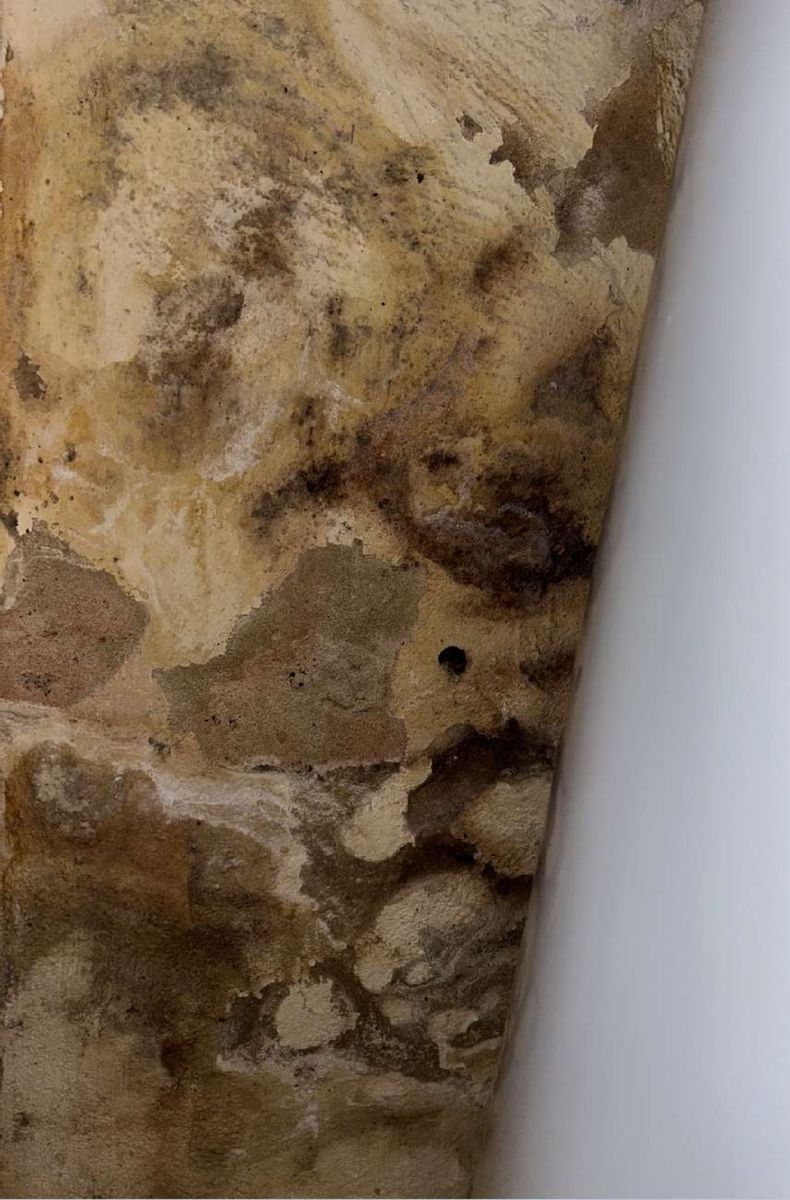
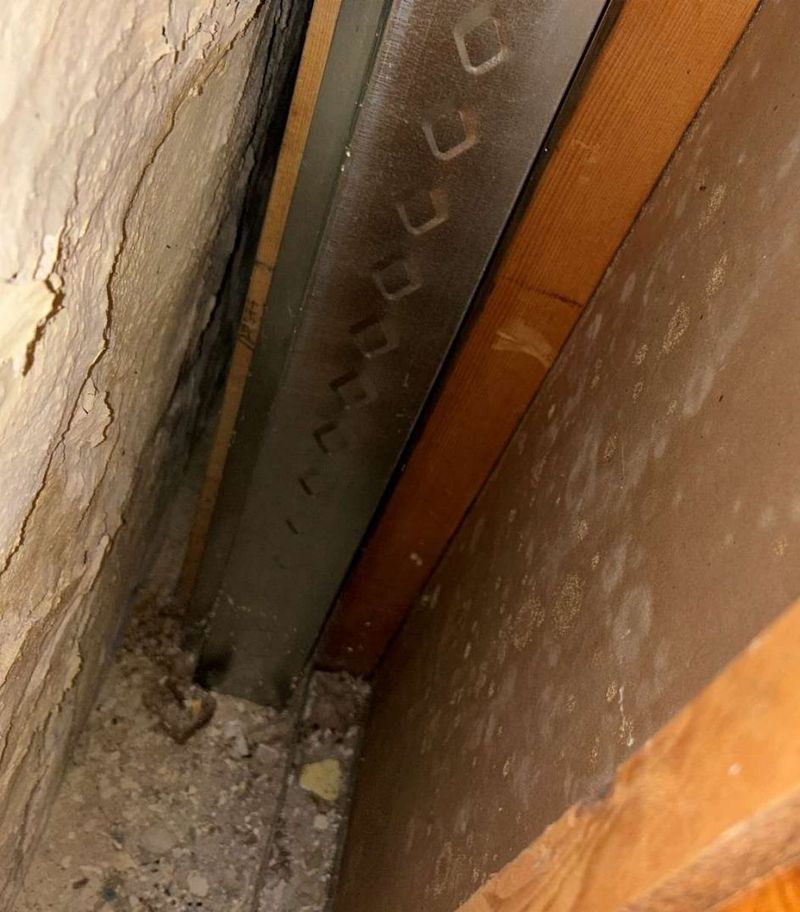
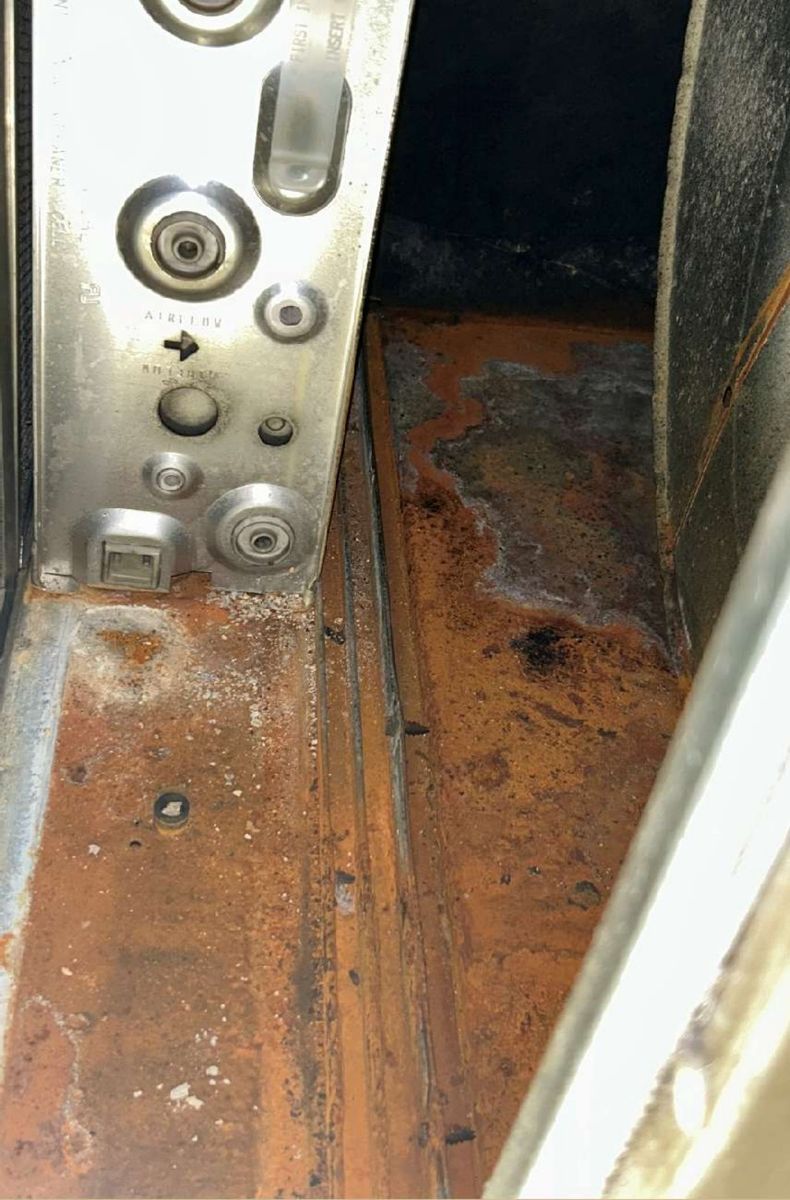
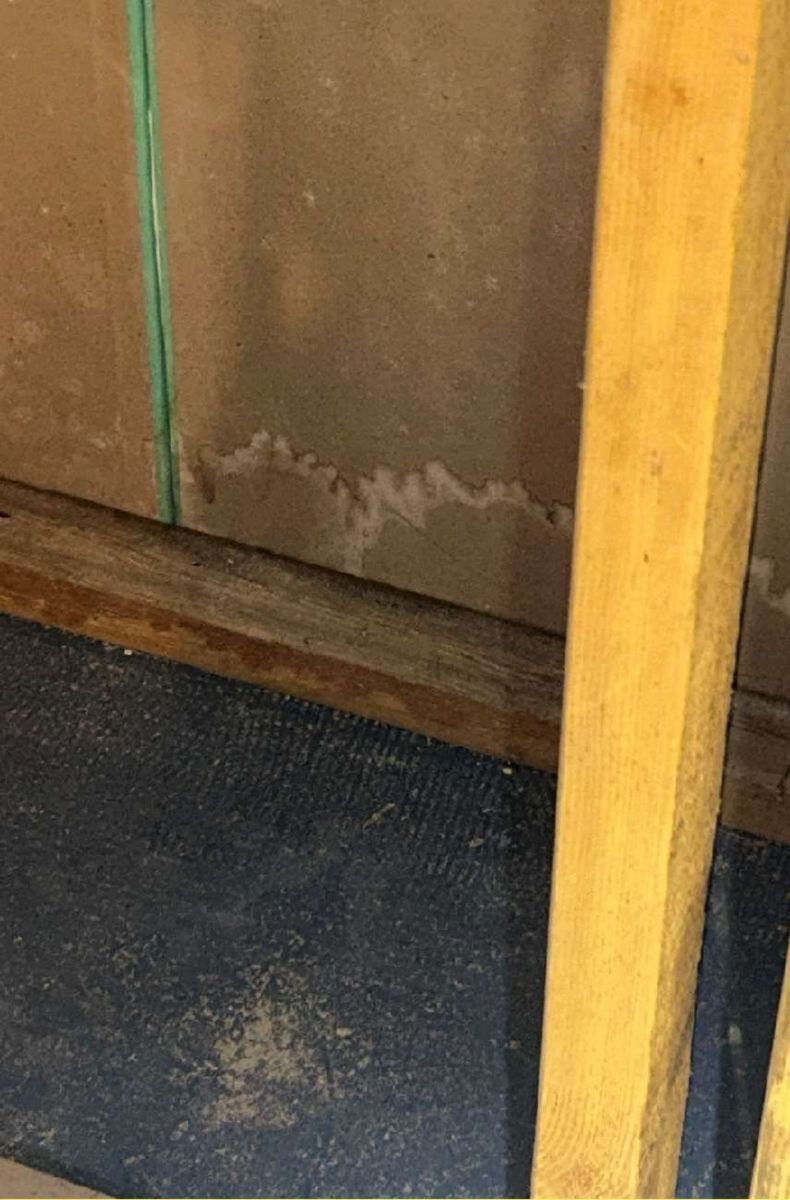
Real findings Bob documented on the job in Ardmore — the detail that goes in your photo-rich report, delivered within 24 hours.
Why Choose Bob
Why choose All Seasons for mold testing in Ardmore?
You Always Get Bob
Bob personally collects every sample — no subcontractors, no unknown technicians. You know exactly who's in your Ardmore home.
PRO-LAB Certified Lab
Every sample is analyzed by a PRO-LAB certified laboratory — the gold standard in environmental testing. You get real science, not guesswork.
No Conflict of Interest
All Seasons tests and reports — we never perform remediation. Every finding is completely objective. Bob's only job is giving you the truth about your home's air.
Early to mid-20th century Expertise
Bob has deep experience with 1920s–1940s construction — homes built with real craftsmanship but aging infrastructure. He knows the common failure points: clay laterals, layered electrical upgrades, oil-to-gas conversions, and plaster moisture issues that other inspectors miss.
From the Blog
What should Ardmore homeowners know about mold?
Get in Touch
How do I schedule a mold test in Ardmore?
Same-week appointments available throughout the Philadelphia region.
Tell Us About Your Property
Bob returns every call and books your date within 24 hours. Inspections typically scheduled within the week. No spam, no email lists.
Common Questions
What are common mold testing questions in Ardmore?
Common questions about mold testing in Ardmore — answered directly.