Home Inspector Dublin, PA | Home Inspection & Mold Testing
All Seasons provides professional home inspections and PRO-LAB certified mold testing in Dublin, Bucks County. InterNACHI-certified owner-operator Bob personally performs every inspection — 20+ years experience, 4.9 stars on Google, 24-hour reports. Home inspections from $325, mold testing from $290. Call 610-348-6728 for a free estimate.
Dublin, Bucks County
What home inspection and mold testing services are available in Dublin?
Dublin sits where Route 313 and Route 113 cross in Upper Bucks, a borough of barely half a square mile ringed entirely by Bedminster Township farmland. The village grew up along the old Dublin Pike stage route, and the housing stock still reads that way. Stone and frame farmhouses from the 1850s and 1860s line Main Street, late Victorian twins and singles fill the blocks behind them from the years when the crossroads was a working commercial stop, and postwar ranchers and split levels spread toward Rickert Road and Middle Road as the Pennridge School District grew. A walk from Dublin Elementary School out toward Elephant Road covers a century of construction in about ten minutes. That compression is what makes Dublin properties worth reading carefully. The oldest houses here sit on rubble stone foundations laid with lime mortar, over cellars cut into ground that drains toward Deep Run Creek and the Tohickon watershed below. Most were re-roofed, rewired, and re-plumbed in separate waves, so one house can carry original slate above, knob-and-tube behind plaster in one wing, and a 1990s service panel in another. Add the wells and septic fields common the moment you cross the borough line into Bedminster, clay soils that hold water, and a seasonal table that rises fast after a wet week, and you get properties where the listing sheet rarely tells the whole story. Whether it is a farmhouse near Deep Run Mennonite Church or a 1960s rancher off Route 313, the condition questions in Dublin run deeper than square footage.
The pattern Bob sees most often in Dublin is a house kept carefully above grade and quietly neglected below it. Owners here patch the slate, keep the porch square, and then leave a stone cellar with an earth or thin concrete floor doing what it has done since the 1800s, which is wick moisture through every wet spring. That one condition drives findings across all three services. A home inspection in a Main Street farmhouse turns up efflorescence on the foundation stone and a musty return duct, and because Bob is PRO-LAB certified he can collect mold samples on the same visit instead of sending you off to hire a second company and wait another week. If the worry is broader, stale air in a converted attic, coal dust still sitting in an old bin, or lead paint dust kicked up by window work, the air quality test happens on that same walkthrough. Dublin buyers working a 30 day contingency clock do not have time to line up three separate vendors. Bob has spent more than 20 years across Upper Bucks, from the borough itself out to Perkasie and the Bedminster farm properties, doing every bit of it himself. InterNACHI certified, no subcontractors, no rotating technicians, and a plain language report with photos in your inbox inside 24 hours. To get on the schedule or talk through what your Dublin property actually needs, call Bob directly at 610-348-6728.
What does a home inspection in Dublin include?
Bob approaches every Dublin inspection per ASHI and InterNACHI Standards of Practice. With 1850s–1950s housing stock dominant in Dublin, Bob pays particular attention to the era-specific issues that affect late 19th and early 20th century construction in Bucks County.
Stone & Rubble Foundations
Pre-1920 homes commonly have stone or rubble foundations with lime mortar joints that deteriorate over a century of exposure. Bob checks for shifting stones, mortar erosion, water seepage pathways, and structural settlement that can indicate foundation movement requiring professional stabilization.
Knob-and-Tube Wiring & Gas Pipe Conversions
Original knob-and-tube wiring is one of the most critical findings in pre-1920 homes — especially when insulation has been blown over active K&T, creating a fire hazard. Bob also evaluates gas pipe conversions from original coal or oil systems, checking for proper sizing, venting, and code compliance.
Original Slate Roofs & Historic Exteriors
Many pre-1920 homes retain original slate or clay tile roofs that, while durable, require specialized maintenance. Bob inspects for cracked or missing slates, deteriorating flashing, and aging copper gutters — plus original wood siding, decorative trim, and masonry that may show a century of weathering.
Lead Paint, Plaster Walls & Coal Chute Remnants
Original plaster-and-lath walls, lead paint on trim and windows, and sealed coal chute openings are hallmarks of pre-1920 construction. Bob documents these conditions and evaluates whether past renovations addressed or inadvertently worsened historical hazards.
How does mold testing work in Dublin?
Pre-1920 homes are among the highest-risk properties for mold growth due to stone foundations that wick moisture, lime mortar joints that crack over time, and original drainage systems that predate modern waterproofing.
Porous stone foundations with no vapor barrier allowing constant moisture migration
Original clay drainage tiles that crack and clog, directing water toward the foundation
Lime mortar repointing gaps that create moisture entry points
Unventilated basement spaces with earth or deteriorating concrete floors
Clear Results & Honest Recommendations
Bob walks you through exactly what the lab results mean — no jargon, no panic. All samples go to a PRO-LAB certified lab with results in 2-3 days. Mold testing starts at $290.
What are common issues in Dublin homes?
Based on 20+ years inspecting late 19th and early 20th century homes in Bucks County, these are the issues Bob finds most often in Dublin's 1850s–1950s housing stock:
- Knob-and-tube wiring still energized behind walls and under blown insulation
- Stone foundation moisture intrusion and mortar joint deterioration
- Lead paint on original trim, windows, and exterior surfaces
- Gas pipe conversions from original coal or oil systems with improper venting
- Original clay sewer laterals with root intrusion and bellied sections
- Aging slate or clay tile roofs with deteriorating flashing
Schedule in Dublin
Same-week appointments available. Bob personally oversees every inspection — you always know who's walking through your home.
610-348-6728Mon–Sat, 7am–7pm • Urgent pre-closing available
Get a Free EstimateServices Available in Dublin
- Residential Home Inspection
- Mold Testing & Air Quality
- Radon Testing
- Pre-Listing Inspection
- New Construction Inspection
- WDI / Termite Inspection
- 11-Month Warranty Inspection
Pricing for Dublin
Every home is different. Call Bob for your specific quote — he'll give you an honest number on the spot.
See Full Pricing Details →Detailed Dublin Service Pages
Nearby Areas Also Served
From the Field
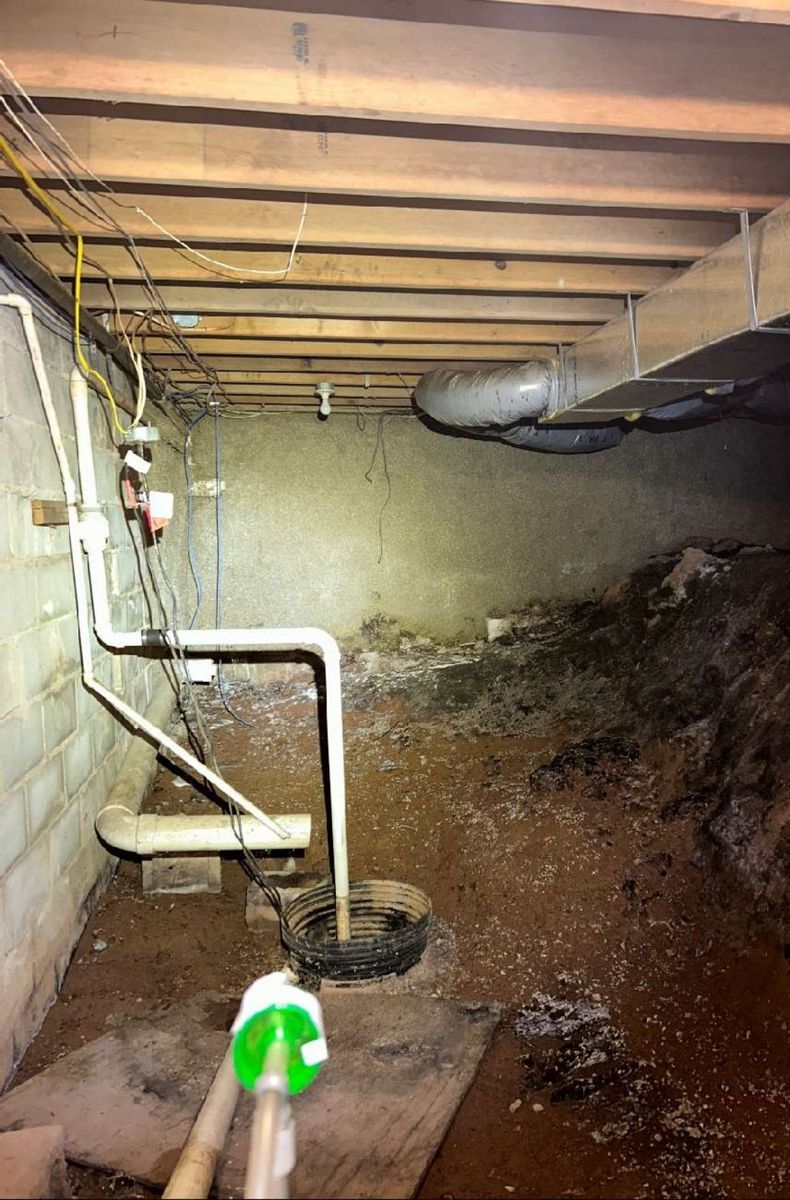
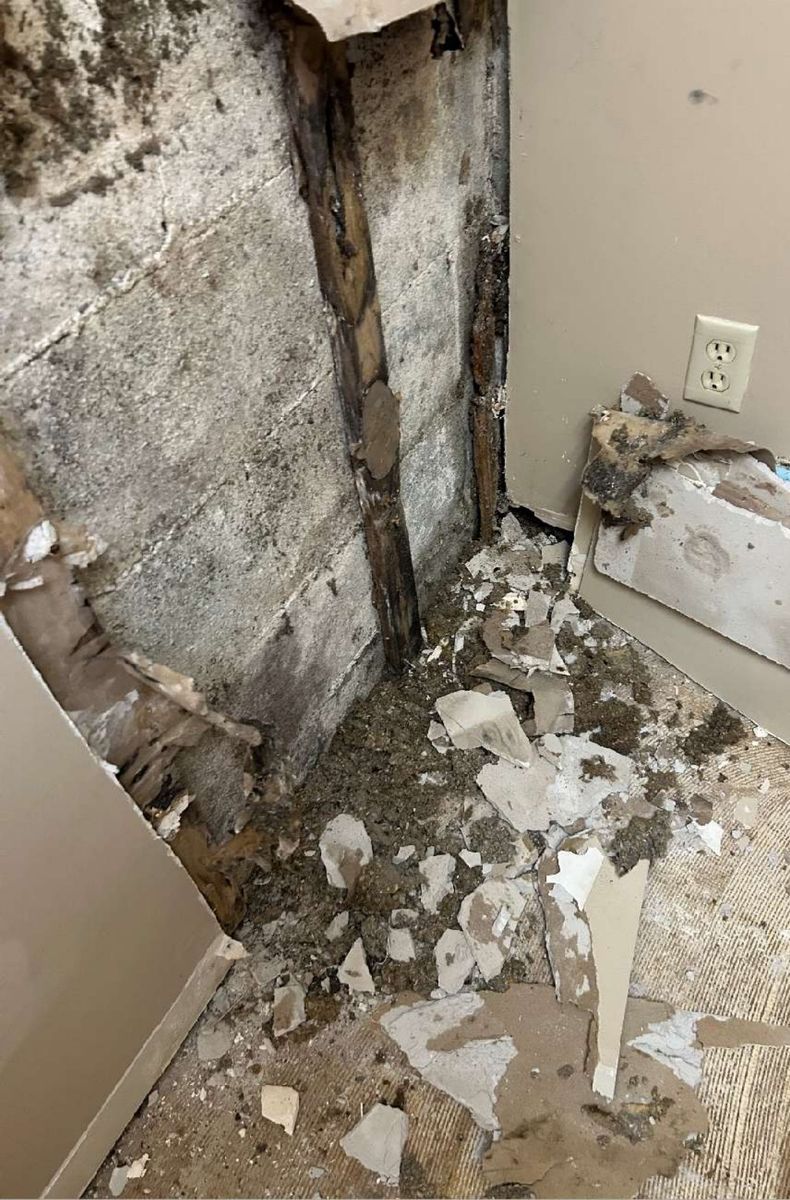
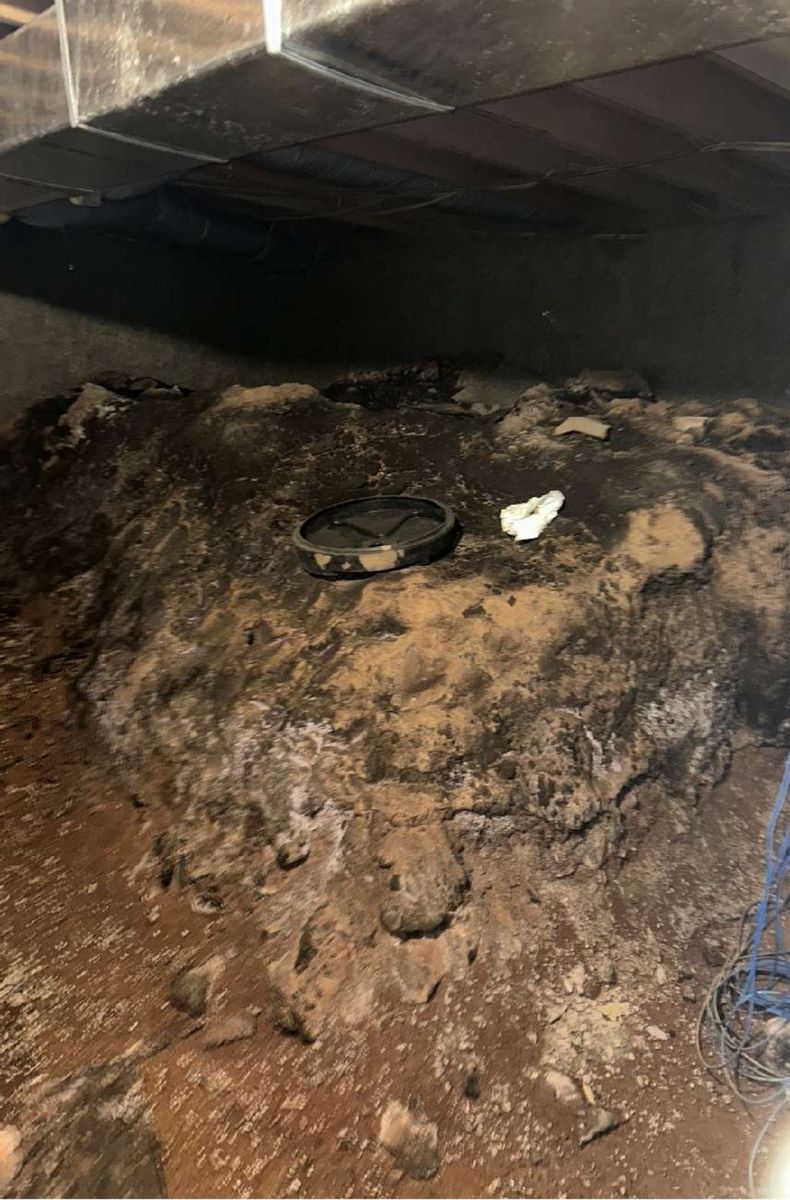
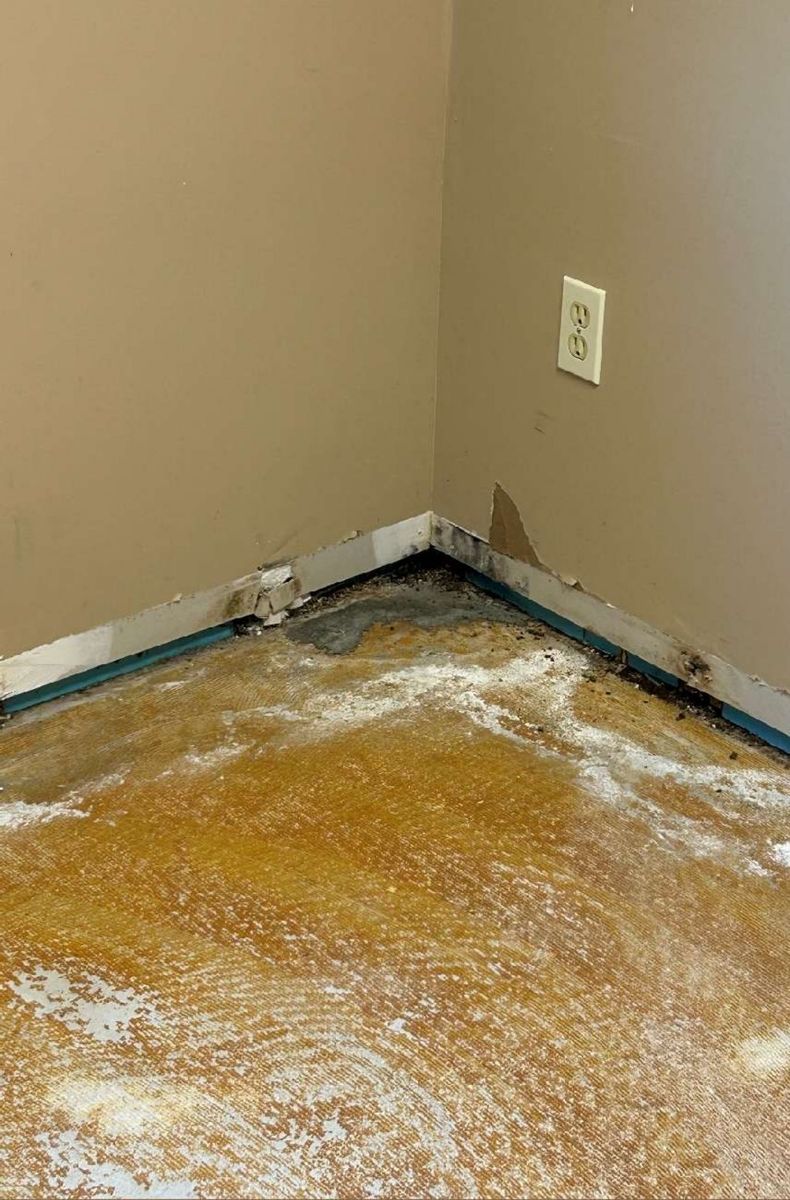
From a recent Dublin inspection
Real findings Bob documented on the job in Dublin — the detail that goes in your same-day, photo-rich report.
Why Choose Bob
Why do Dublin homeowners choose All Seasons?
You Always Get Bob
When you hire All Seasons, Bob personally oversees your inspection — start to finish. No corporate dispatch, no unknown inspector. You know exactly who's walking through your Dublin home.
InterNACHI Certified
InterNACHI Certified Professional Inspector with 20+ years of specialized expertise in Bucks County's 1850s–1950s housing stock.
24-Hour Reports
Your detailed, photo-rich inspection report delivered the same day. No waiting — so you can make decisions within your contract timeline.
Late 19th and early 20th century Expertise
Bob has inspected hundreds of pre-1920 homes across the Philadelphia region and understands their unique construction — from rubble stone foundations to knob-and-tube wiring to original slate roofs. He knows where these homes hide problems and what's normal aging versus what needs immediate attention.
Get in Touch
How do I schedule an inspection in Dublin?
Same-week appointments available throughout the Philadelphia region.
Tell Us About Your Property
Bob returns every call within 24 hours. Inspections typically scheduled within the week. No spam, no email lists.
Common Questions
What are common home inspection questions in Dublin?
Questions buyers and sellers in Dublin ask us most often — answered directly.