Mold Inspection & Testing in Dublin, PA
All Seasons provides professional mold inspection and testing in Dublin, Bucks County, PA. PRO-LAB certified lab results in 2-3 days with clear interpretation. Owner-operator Bob personally collects every sample — 20+ years experience, no conflict of interest. Starting from $290. Call 610-348-6728 for a free estimate.
Dublin, Bucks County, PA
How does mold testing work in Dublin?
Dublin is a small borough in the heart of Upper Bucks County, surrounded by Bedminster Township and sitting on the rolling farmland between Doylestown to the south and Quakertown to the north. The borough grew up as a crossroads village along the old Bethlehem and Doylestown turnpikes, and that village core, with its tightly spaced borough lots, gives way quickly to the open agricultural land that defines this part of the county. To the northeast, the ground falls toward Lake Nockamixon and the Tohickon Creek, the dominant drainage corridor of Upper Bucks, while smaller tributaries and farm ponds dot the surrounding township. The housing stock here is genuinely old. Dublin and the Bedminster countryside around it are full of 1800s fieldstone farmhouses, stone-and-frame borough homes, and later additions that were tacked onto those originals over a century and a half of continuous occupation. You will find a scattering of mid-century and newer construction filling in the borough blocks and along the rural roads, but the defining structures are pre-1900 stone, and that age sets the moisture profile of nearly every property I test in this area. Fieldstone and rubble-stone foundations are the single biggest moisture variable in Dublin. These walls were laid up dry or with lime mortar that has long since softened, and they wick groundwater directly through the stone and the joints, especially on the uphill side of a sloped lot where the surrounding soil stays saturated after the wet Upper Bucks winters and spring melt. Many of these old farmhouses sit over dirt-floor or partially finished cellars that breathe damp soil air year round. Hand-dug wells, spring houses, and high seasonal water tables near the Tohickon and Nockamixon drainage add to the load. Inside, plaster-over-lath walls hold moisture for months without showing a stain on the surface, and the deep stone walls themselves stay cool enough to condense humid summer air. Clay sewer laterals and old septic connections running under mature trees on borough lots have accumulated root intrusion and bellied sections that back up quietly. Oil-to-gas furnace conversions across this stock frequently left oversized chimney flues that condense and feed moisture into masonry. Each of these is a documented spore source, and in stone houses the growth often takes hold in the cellar and the cool exterior wall cavities long before anyone upstairs notices a smell.
I have sampled a lot of stone houses in this corner of Bucks County, and the pattern in Dublin is consistent enough that I know where to look before I walk in the door. The 1800s fieldstone farmhouses on the Bedminster roads are the properties that warrant the closest attention. The stone foundation, often paired with a low dirt or part-poured cellar, holds groundwater against the inside face of the wall, and the spore counts I pull from those cellars run elevated even when a homeowner swears the space stays dry. Moisture rarely announces itself as standing water in these homes. It shows up as elevated humidity readings against the stone, in the back of paneling that a previous owner installed over a damp cellar wall in the 1970s, and in the air samples I take from the lowest finished level. High water tables near the Tohickon Creek and the low ground toward Lake Nockamixon push the seasonal moisture line up under many of these properties, and farm-lot septic and clay laterals add an organic moisture source that accelerates growth past what plain seepage would cause. The borough's tighter lots have their own version of this where shallow setbacks send roof and surface water straight back against old stone. I take an outdoor control sample on every Dublin job so the lab comparison reflects real indoor elevation rather than the ambient spore count of a rural, heavily wooded area, which runs naturally high in summer. If you are buying one of these older stone homes, that context shapes the whole inspection, and I would rather find the moisture history now than have you discover it after closing. I serve Dublin and the surrounding Upper Bucks communities including Perkasie. Bob answers his own phone. Call 610-348-6728 to schedule.
Why are Dublin's 1850s–1950s homes at risk for mold?
Pre-1920 homes are among the highest-risk properties for mold growth due to stone foundations that wick moisture, lime mortar joints that crack over time, and original drainage systems that predate modern waterproofing.
Porous stone foundations with no vapor barrier allowing constant moisture migration
Original clay drainage tiles that crack and clog, directing water toward the foundation
Lime mortar repointing gaps that create moisture entry points
Unventilated basement spaces with earth or deteriorating concrete floors
How does Bob test for mold in Dublin?
Bob follows a systematic approach calibrated to the specific risks of late 19th and early 20th century construction in Bucks County. All sampling protocols follow EPA mold testing guidelines:
Indoor Air Quality Sampling
Bob collects air samples from areas of concern and compares them against outdoor baseline readings. This comparison reveals whether indoor mold levels are elevated beyond what's normal for the environment.
PRO-LAB Certified Lab Analysis
All samples go to a PRO-LAB certified laboratory — the gold standard in environmental testing. Results return in 2-3 business days with a full written interpretation.
Clear Results & Honest Recommendations
Bob walks you through exactly what the lab results mean — no jargon, no panic. If remediation is needed, he'll explain what's involved so you can make informed decisions.
What are common issues in Dublin homes?
Based on 20+ years testing late 19th and early 20th century homes in Bucks County, these are the issues Bob finds most often:
- Knob-and-tube wiring still energized behind walls and under blown insulation
- Stone foundation moisture intrusion and mortar joint deterioration
- Lead paint on original trim, windows, and exterior surfaces
- Gas pipe conversions from original coal or oil systems with improper venting
- Original clay sewer laterals with root intrusion and bellied sections
- Aging slate or clay tile roofs with deteriorating flashing
Also Available: Home Inspection in Dublin
In addition to mold testing, Bob provides comprehensive home inspections for Dublin properties. InterNACHI certified, starting from $325.
Learn About Home Inspection in DublinSchedule Mold Testing in Dublin
Same-week appointments available. Bob personally oversees every sample — you always know who's in your home.
610-348-6728Mon–Sat, 7am–7pm
Get a Free EstimateServices Available in Dublin
- Air Sampling
- Surface / Bulk Sampling
- Visual Mold Assessment
- Pre / Post-Remediation Testing
Mold Testing Pricing
Every property is different. Call Bob for your specific quote — he'll give you an honest number on the spot.
See Full Pricing Details →More Dublin Pages
Nearby Areas Also Served
Dublin is one of the Bucks County communities Bob covers. For the wider picture of how mold testing works across the county, the moisture patterns that repeat here, and every town served, see Mold testing in Bucks County.
From the Field
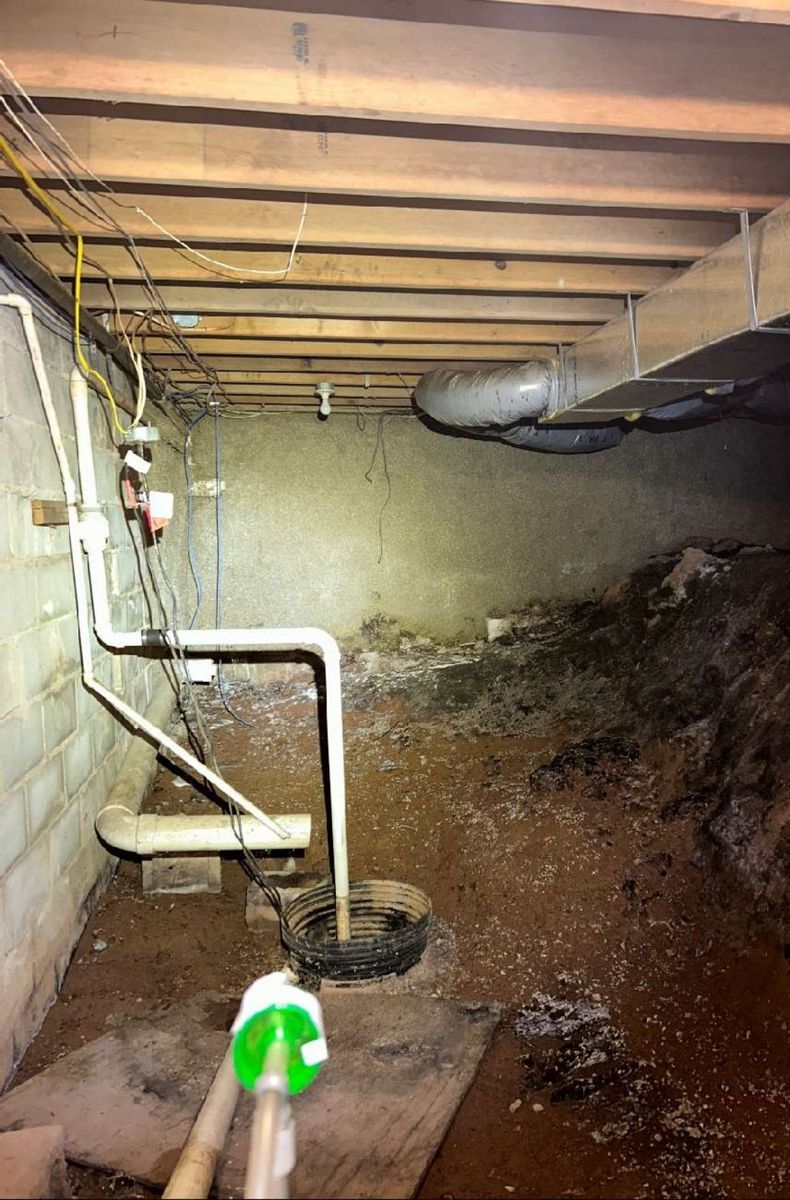
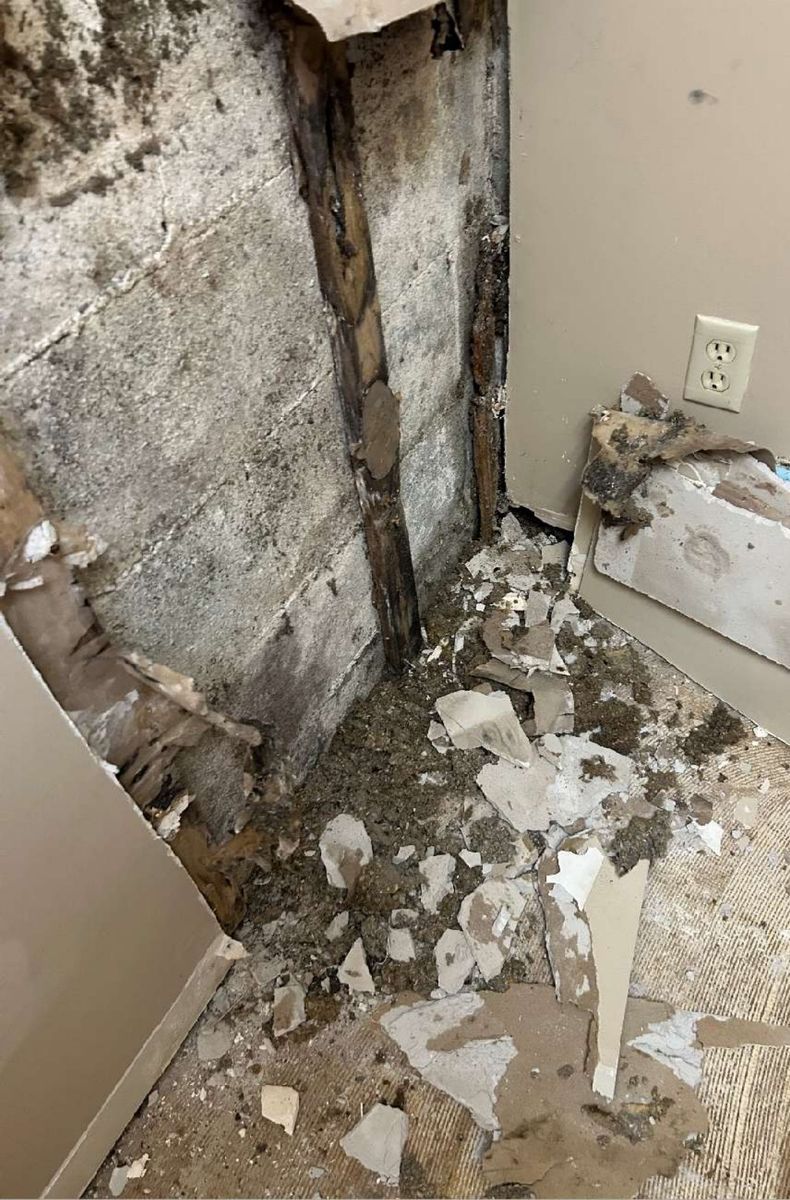
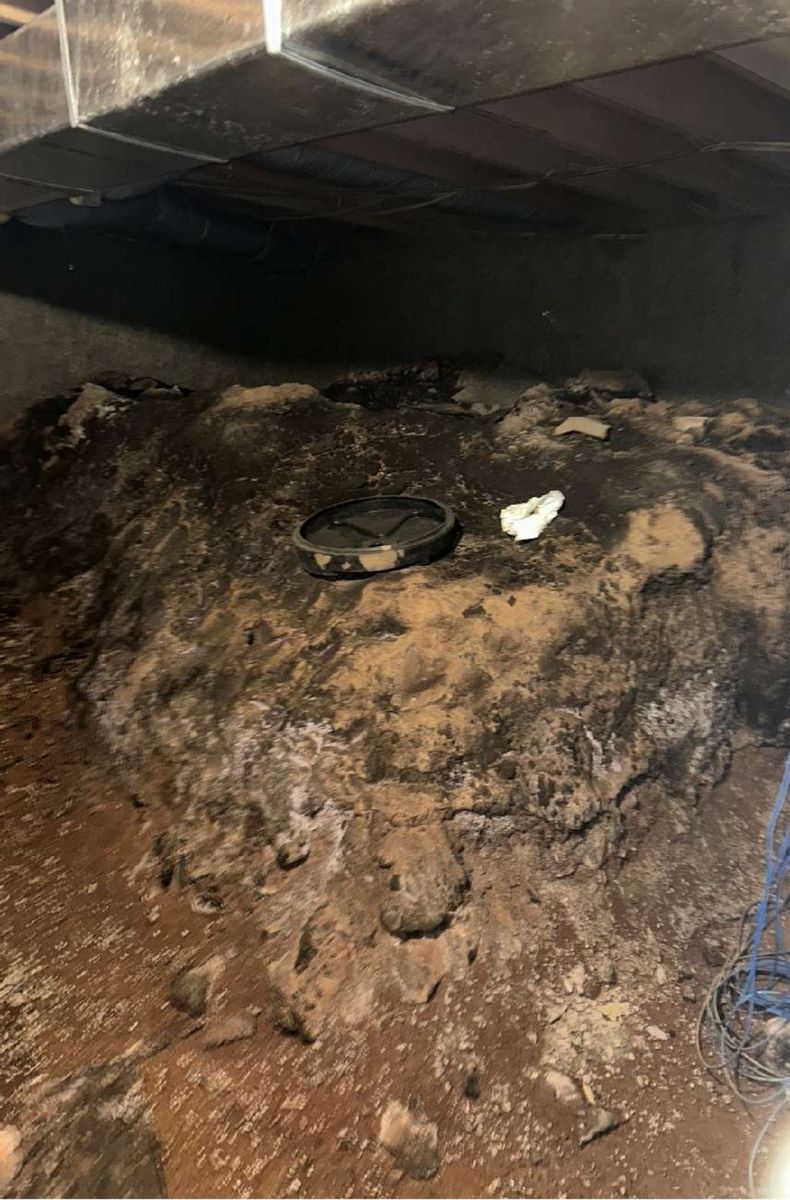
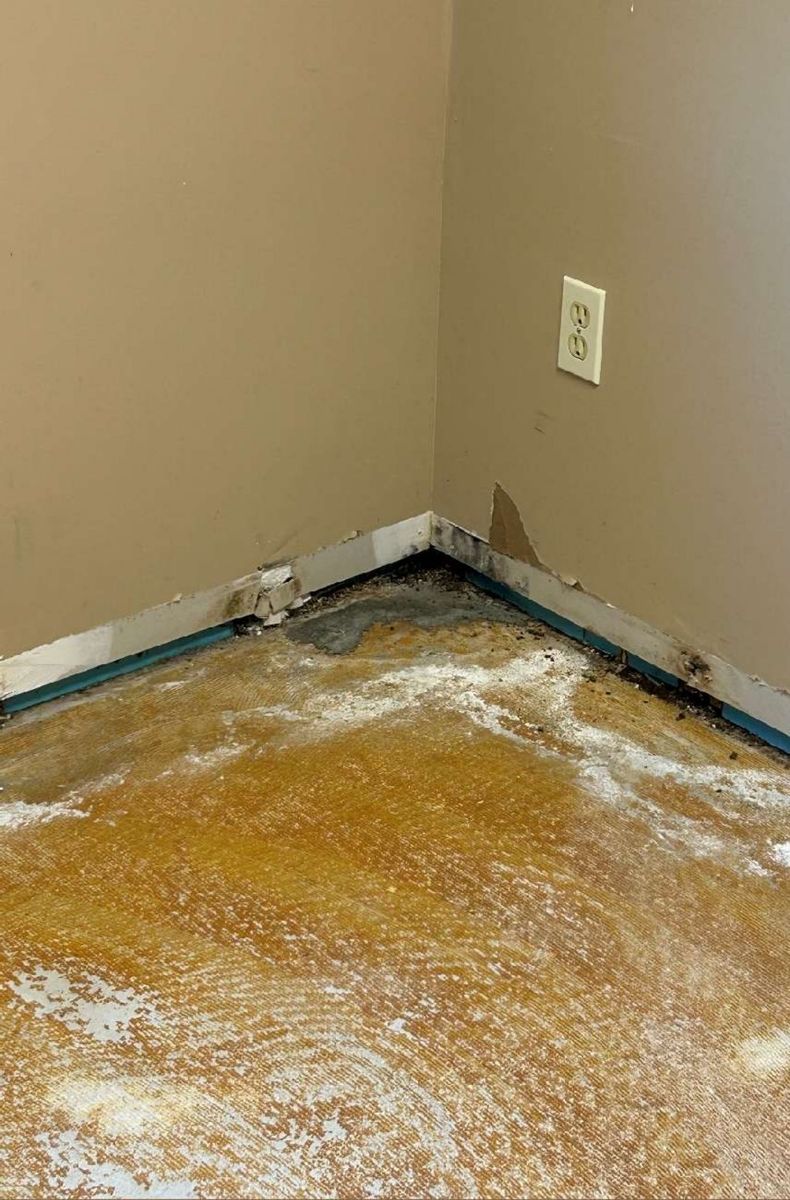
From a recent Dublin inspection
Real findings Bob documented on the job in Dublin — the detail that goes in your same-day, photo-rich report.
Why Choose Bob
Why choose All Seasons for mold testing in Dublin?
You Always Get Bob
Bob personally oversees every sample — no subcontractors, no unknown technicians. You know exactly who's in your Dublin home.
PRO-LAB Certified Lab
Every sample is analyzed by a PRO-LAB certified laboratory — the gold standard in environmental testing. You get real science, not guesswork.
No Conflict of Interest
All Seasons tests and reports — we never perform remediation. Every finding is completely objective. Bob's only job is giving you the truth about your home's air.
Late 19th and early 20th century Expertise
Bob has inspected hundreds of pre-1920 homes across the Philadelphia region and understands their unique construction — from rubble stone foundations to knob-and-tube wiring to original slate roofs. He knows where these homes hide problems and what's normal aging versus what needs immediate attention.
From the Blog
What should Dublin homeowners know about mold?
Get in Touch
How do I schedule a mold test in Dublin?
Same-week appointments available throughout the Philadelphia region.
Tell Us About Your Property
Bob returns every call within 24 hours. Inspections typically scheduled within the week. No spam, no email lists.
Common Questions
What are common mold testing questions in Dublin?
Common questions about mold testing in Dublin — answered directly.