Home Inspector Manayunk, PA | Home Inspection & Mold Testing
All Seasons provides professional home inspections and PRO-LAB certified mold testing in Manayunk, Philadelphia County. InterNACHI-certified owner-operator Bob personally performs every inspection — 20+ years experience, 4.9 stars on Google, 24-hour reports. Home inspections from $325, mold testing from $290. Call 610-348-6728 for a free estimate.
Manayunk, Philadelphia County
What home inspection and mold testing services are available in Manayunk?
Few Philadelphia neighborhoods sit on a slope quite like this one. The streets climb straight up from the Schuylkill River and the old canal towpath, stacking rowhomes and stone twins in tiers from Main Street through Cresson Street, Silverwood Street, Terrace Street and Lyceum Avenue, until the grade finally eases near Ridge Avenue and the Roxborough line. Green Lane, Shurs Lane, Levering Street and the notorious Manayunk Wall gave the neighborhood its reputation for pitch, and that pitch shows up in the houses. Most of the housing stock dates from the 1880s through the 1940s, built for mill workers back when the textile mills along Venice Island and Flat Rock Dam ran full shifts. Foundations are typically stone and rubble set in lime mortar, dug into a hillside that moves water constantly toward the downhill wall. Party walls are shared, lots are narrow, and rear yards are often cut straight into rock. Around Pretzel Park, Gay Street, Rector Street and Conarroe Street you find long runs of original brick and stucco-over-stone facades, many still carrying slate roofs and copper gutters that have been patched far more often than replaced. Closer to Main Street and the Manayunk Bridge, old mill buildings have been converted into lofts and condominiums, layering modern mechanicals into century-old shells. Two renovation waves shaped what anyone actually finds in these homes today: a mid-century pass that converted coal heat over to gas, and the flipping boom from the 1990s onward that opened up kitchens, finished basements, and buried older systems behind fresh drywall.
The first thing I check in Manayunk is which way the hill runs behind the house. On the uphill side of a block on Cresson, Silverwood or Terrace Street, the rear foundation wall is holding back saturated soil year round, and a hundred-year-old rubble wall with eroded lime mortar joints does not stop water, it only slows it down. That is why so many finished basements down here smell fine in January and musty by July. I have been inspecting these hillside rows for more than 20 years and the pattern repeats: somebody drywalls a basement without addressing the wall behind it, and two summers later there is growth in the stud bay that nobody can see. Working with one inspector matters more here than in most places. If a home inspection turns up a damp rear wall, a bellied clay sewer lateral, or knob-and-tube still energized under blown insulation, I can run mold sampling and air quality testing on the same visit instead of sending you off to line up two more vendors while your contingency clock runs down. I am InterNACHI certified and PRO-LAB certified for mold, so none of it gets subcontracted out. I inspect the same era of hillside stock across the river as well, including Bala Cynwyd, so I know how these houses behave season to season. Call me directly at 610-348-6728, tell me the street, and I will usually know the block already.
What does a home inspection in Manayunk include?
Bob approaches every Manayunk inspection per ASHI and InterNACHI Standards of Practice. With 1880s–1940s housing stock dominant in Manayunk, Bob pays particular attention to the era-specific issues that affect late 19th and early 20th century construction in Philadelphia County.
Stone & Rubble Foundations
Pre-1920 homes commonly have stone or rubble foundations with lime mortar joints that deteriorate over a century of exposure. Bob checks for shifting stones, mortar erosion, water seepage pathways, and structural settlement that can indicate foundation movement requiring professional stabilization.
Knob-and-Tube Wiring & Gas Pipe Conversions
Original knob-and-tube wiring is one of the most critical findings in pre-1920 homes — especially when insulation has been blown over active K&T, creating a fire hazard. Bob also evaluates gas pipe conversions from original coal or oil systems, checking for proper sizing, venting, and code compliance.
Original Slate Roofs & Historic Exteriors
Many pre-1920 homes retain original slate or clay tile roofs that, while durable, require specialized maintenance. Bob inspects for cracked or missing slates, deteriorating flashing, and aging copper gutters — plus original wood siding, decorative trim, and masonry that may show a century of weathering.
Lead Paint, Plaster Walls & Coal Chute Remnants
Original plaster-and-lath walls, lead paint on trim and windows, and sealed coal chute openings are hallmarks of pre-1920 construction. Bob documents these conditions and evaluates whether past renovations addressed or inadvertently worsened historical hazards.
How does mold testing work in Manayunk?
Pre-1920 homes are among the highest-risk properties for mold growth due to stone foundations that wick moisture, lime mortar joints that crack over time, and original drainage systems that predate modern waterproofing.
Porous stone foundations with no vapor barrier allowing constant moisture migration
Original clay drainage tiles that crack and clog, directing water toward the foundation
Lime mortar repointing gaps that create moisture entry points
Unventilated basement spaces with earth or deteriorating concrete floors
Clear Results & Honest Recommendations
Bob walks you through exactly what the lab results mean — no jargon, no panic. All samples go to a PRO-LAB certified lab with results in 2-3 days. Mold testing starts at $290.
What are common issues in Manayunk homes?
Based on 20+ years inspecting late 19th and early 20th century homes in Philadelphia County, these are the issues Bob finds most often in Manayunk's 1880s–1940s housing stock:
- Knob-and-tube wiring still energized behind walls and under blown insulation
- Stone foundation moisture intrusion and mortar joint deterioration
- Lead paint on original trim, windows, and exterior surfaces
- Gas pipe conversions from original coal or oil systems with improper venting
- Original clay sewer laterals with root intrusion and bellied sections
- Aging slate or clay tile roofs with deteriorating flashing
Schedule in Manayunk
Same-week appointments available. Bob personally oversees every inspection — you always know who's walking through your home.
610-348-6728Mon–Sat, 7am–7pm • Urgent pre-closing available
Get a Free EstimateServices Available in Manayunk
- Residential Home Inspection
- Mold Testing & Air Quality
- Radon Testing
- Pre-Listing Inspection
- New Construction Inspection
- WDI / Termite Inspection
- 11-Month Warranty Inspection
Pricing for Manayunk
Every home is different. Call Bob for your specific quote — he'll give you an honest number on the spot.
See Full Pricing Details →Detailed Manayunk Service Pages
Nearby Areas Also Served
From the Field
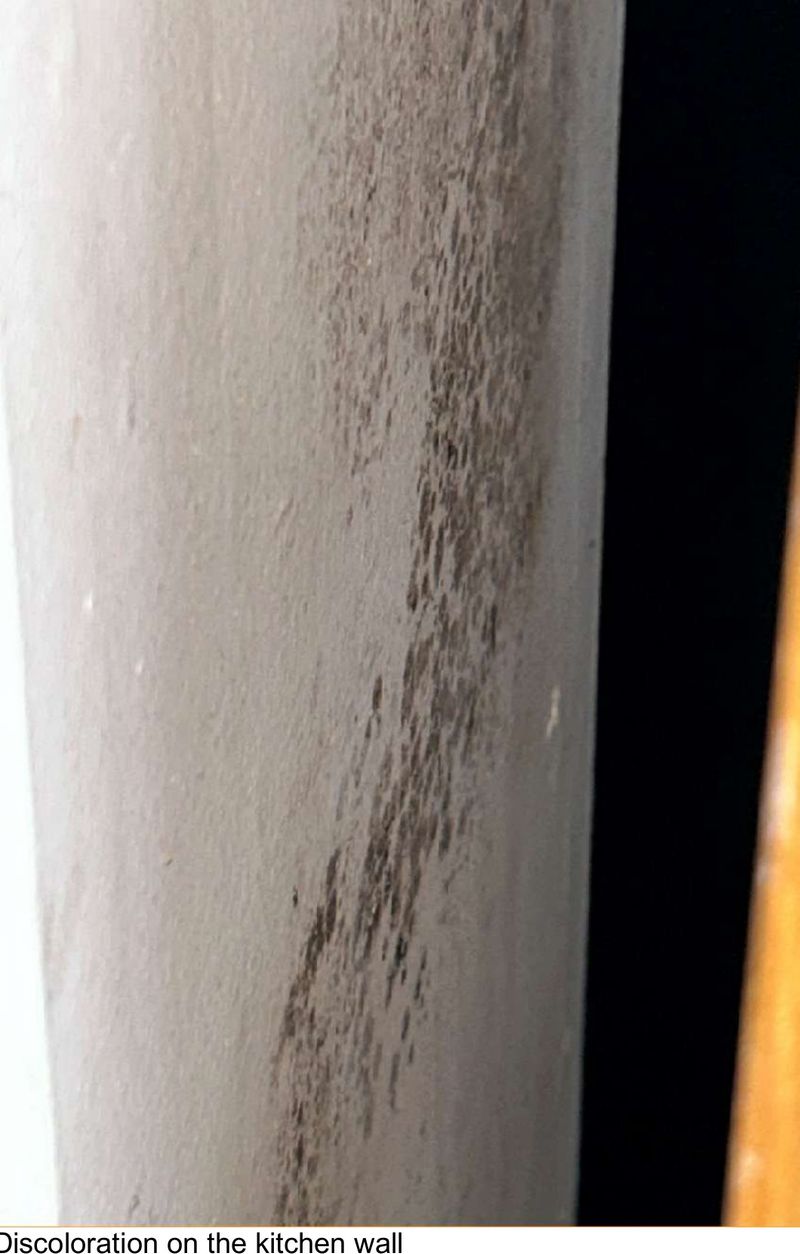
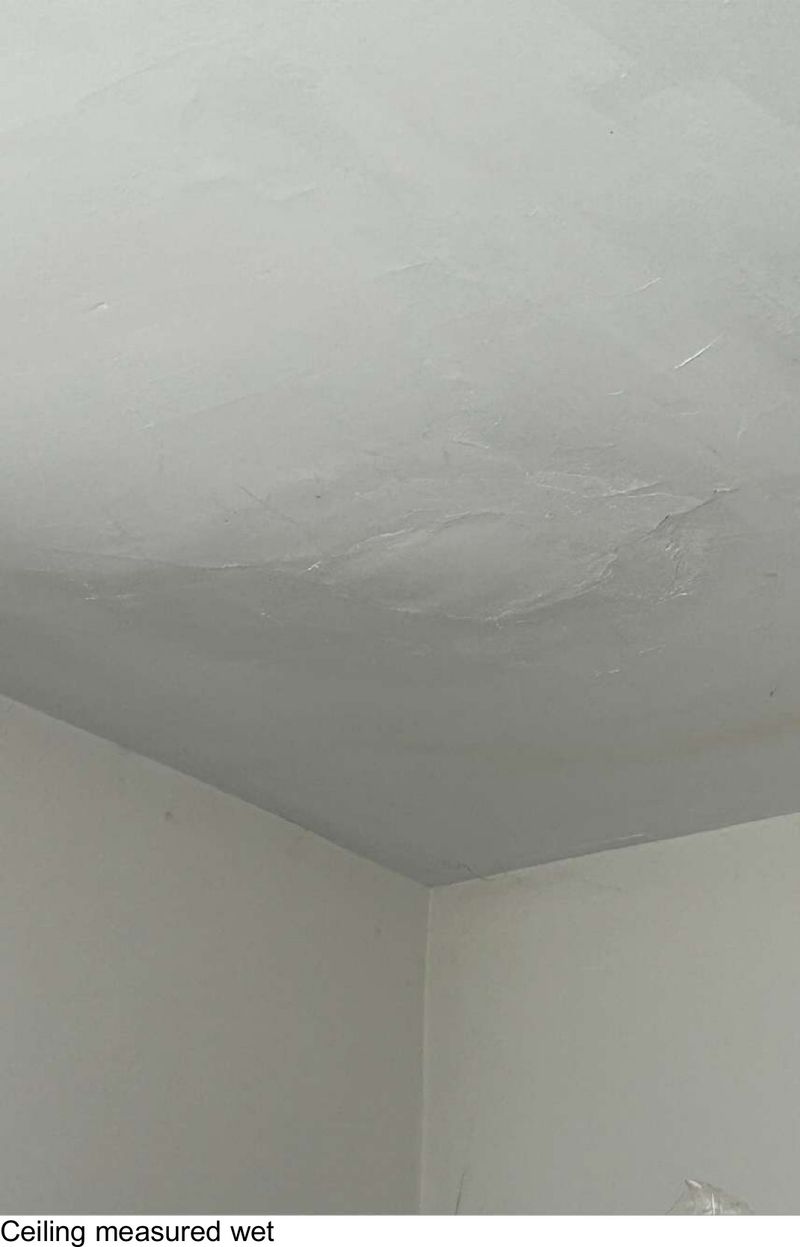
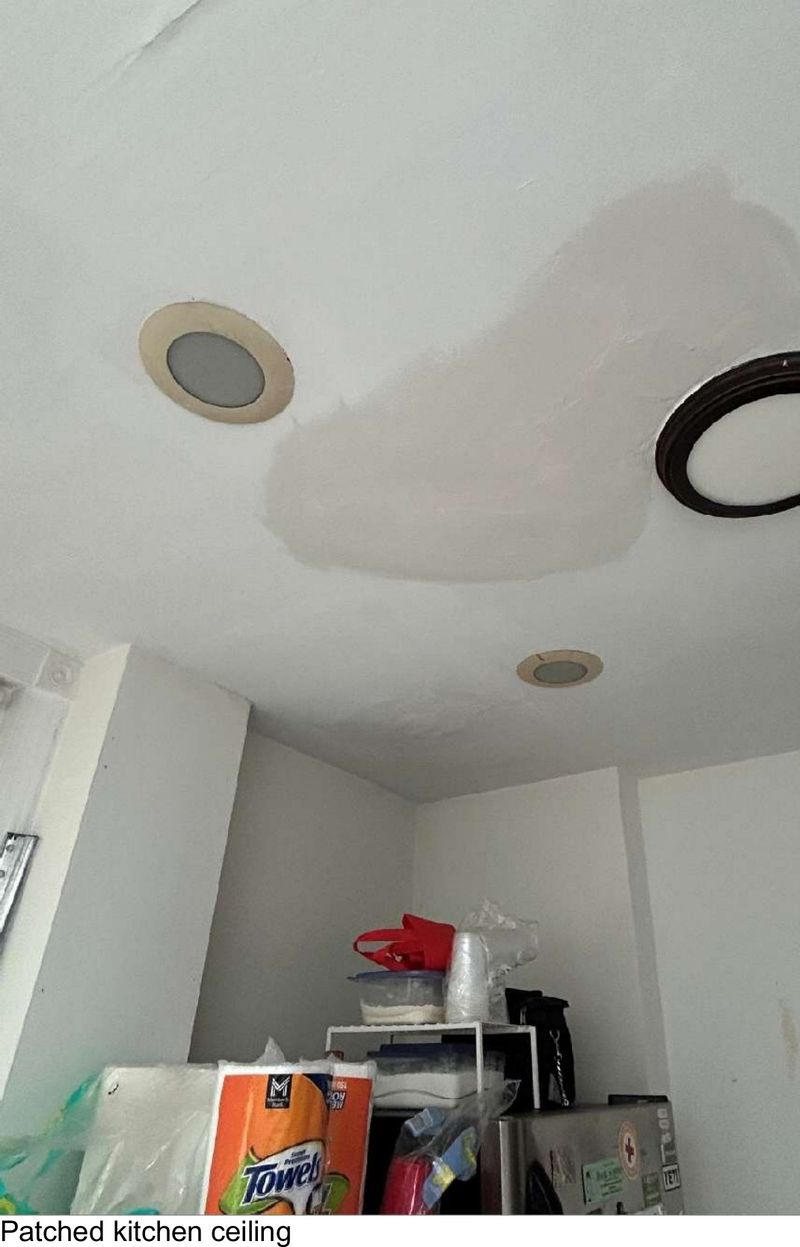
From a recent Manayunk inspection
Real findings Bob documented on the job in Manayunk — the detail that goes in your same-day, photo-rich report.
Why Choose Bob
Why do Manayunk homeowners choose All Seasons?
You Always Get Bob
When you hire All Seasons, Bob personally oversees your inspection — start to finish. No corporate dispatch, no unknown inspector. You know exactly who's walking through your Manayunk home.
InterNACHI Certified
InterNACHI Certified Professional Inspector with 20+ years of specialized expertise in Philadelphia County's 1880s–1940s housing stock.
24-Hour Reports
Your detailed, photo-rich inspection report delivered the same day. No waiting — so you can make decisions within your contract timeline.
Late 19th and early 20th century Expertise
Bob has inspected hundreds of pre-1920 homes across the Philadelphia region and understands their unique construction — from rubble stone foundations to knob-and-tube wiring to original slate roofs. He knows where these homes hide problems and what's normal aging versus what needs immediate attention.
Get in Touch
How do I schedule an inspection in Manayunk?
Same-week appointments available throughout the Philadelphia region.
Tell Us About Your Property
Bob returns every call within 24 hours. Inspections typically scheduled within the week. No spam, no email lists.
Common Questions
What are common home inspection questions in Manayunk?
Questions buyers and sellers in Manayunk ask us most often — answered directly.