Home Inspector Phoenixville, PA | Home Inspection & Mold Testing
All Seasons provides professional home inspections and PRO-LAB certified mold testing in Phoenixville, Chester County. InterNACHI-certified owner-operator Bob personally performs every inspection — 20+ years experience, 4.9 stars on Google, 24-hour reports. Home inspections from $325, mold testing from $290. Call 610-348-6728 for a free estimate.
Phoenixville, Chester County
What home inspection and mold testing services are available in Phoenixville?
Phoenixville grew up around the Phoenix Iron Works, and the housing stock still reads like a mill-town ledger. Tight brick and frame rowhouses and twins line Main Street, Manavon Street, Starr Street, and the blocks stepping uphill off Bridge Street, most of them built between the 1880s and the 1910s for foundry families. Above and behind them sit the larger Victorians and foursquares near Reeves Park and along Gay Street and Church Street, with deeper lots, wraparound porches, and slate roofs that have been patched more than once. Push out toward Nutt Road, Black Rock Road, and Kimberton Road and the pattern shifts again to postwar capes, split-levels, and ranches from the 1950s and 1960s, then to the newer townhome clusters that filled in after the Colonial Theatre district revived and Bridge Street turned into a restaurant row. A buyer here can tour three completely different construction eras in a single afternoon. The older borough homes typically sit on rubble stone foundations with lime mortar joints, and the ground under them drains toward French Creek and the Schuylkill River, so basements on the low blocks near the old Foundry and the Schuylkill River Trail take on water in ways the hillside homes above Morris Cemetery simply do not. Knob-and-tube wiring, plaster-and-lath walls, sealed coal chute openings, and original clay sewer laterals are routine finds in the borough core. Renovation waves layered on top of all of it, some careful and some rushed, and the fast ones done during the Bridge Street revival are the ones worth looking at hardest.
The thing I notice most in Phoenixville is how often a beautiful first floor sits directly on top of an untouched hundred-year-old basement. I will walk a rowhouse a block off Bridge Street with new floors, a new kitchen, and fresh paint, then open the basement door to a stone foundation that has never been repointed, a dirt-floor corner, and blown insulation packed over live knob-and-tube. Nobody hid it on purpose. The money went where buyers look, and my job is to go where they do not. That is also why I do all three services myself. When an inspection turns up a damp stone wall on one of the low blocks near French Creek, or a musty finished basement in one of the Nutt Road capes, I can pull a mold sample or run an air quality test on the same visit instead of sending you off to hire a second company and wait another week. One inspector, one report, one person to call with questions. I use PRO-LAB certified lab analysis on every sample, and I will tell you plainly when a stain is old and dry versus when it is active and worth spending real money on. I run the same setup a few miles northeast in Collegeville, so I get to watch how these older Chester and Montgomery County houses age side by side. If you have a Phoenixville property under contract, or a basement smell you cannot place, call me directly at 610-348-6728 and we will sort out what you are actually dealing with.
What does a home inspection in Phoenixville include?
Bob approaches every Phoenixville inspection per ASHI and InterNACHI Standards of Practice. With 1880s–1960s housing stock dominant in Phoenixville, Bob pays particular attention to the era-specific issues that affect early to mid-20th century construction in Chester County.
Block & Poured Foundations with Clay Laterals
1920s–1940s homes typically feature poured concrete or concrete block foundations — an improvement over stone, but still vulnerable to cracking and water intrusion after 80+ years. Bob pays special attention to clay sewer laterals common in this era, which suffer from tree root intrusion and joint separation.
Early Electrical Upgrades & Oil-to-Gas Conversions
Many homes from this era have had multiple electrical upgrades layered over original wiring — sometimes creating code violations where old and new systems connect improperly. Bob also evaluates oil-to-gas furnace conversions, checking that chimney liners, supply lines, and venting meet current safety standards.
Original Slate Roofs & Plaster-Over-Lath Moisture
Original slate and clay tile roofs from the 1920s–1940s may still be serviceable but require careful inspection for worn fasteners and deteriorating underlayment. Bob checks for plaster-over-lath moisture issues where exterior water intrusion saturates wall cavities behind intact-looking plaster surfaces.
Plaster Walls, Hardwood Floors & Early Insulation
These homes feature quality craftsmanship — hardwood floors, plaster walls, built-in cabinetry — but often lack adequate insulation by modern standards. Bob evaluates whether past insulation retrofits were done properly and checks for moisture trapped behind plaster from exterior or plumbing leaks.
How does mold testing work in Phoenixville?
Homes from the 1920s–1940s combine aging infrastructure with building practices that create persistent moisture pathways — clay sewer laterals, minimal foundation waterproofing, and plaster walls that mask moisture damage.
Clay sewer laterals with tree root intrusion causing backup and sub-slab moisture
Oil-to-gas conversion furnaces with condensation issues from improper chimney liner sizing
Plaster-over-lath walls that hold moisture for extended periods without visible exterior signs
Basement window wells with deteriorating drainage directing water toward foundation walls
Clear Results & Honest Recommendations
Bob walks you through exactly what the lab results mean — no jargon, no panic. All samples go to a PRO-LAB certified lab with results in 2-3 days. Mold testing starts at $290.
What are common issues in Phoenixville homes?
Based on 20+ years inspecting early to mid-20th century homes in Chester County, these are the issues Bob finds most often in Phoenixville's 1880s–1960s housing stock:
- Clay sewer laterals with tree root intrusion and bellied sections
- Layered electrical upgrades with code violations at old/new connections
- Oil-to-gas furnace conversions with improper chimney liner sizing
- Original slate or clay tile roofs reaching end of useful life
- Plaster-over-lath moisture damage hidden behind intact-looking walls
- Inadequate insulation and single-pane windows driving high energy costs
Schedule in Phoenixville
Same-week appointments available. Bob personally oversees every inspection — you always know who's walking through your home.
610-348-6728Mon–Sat, 7am–7pm • Urgent pre-closing available
Get a Free EstimateServices Available in Phoenixville
- Residential Home Inspection
- Mold Testing & Air Quality
- Radon Testing
- Pre-Listing Inspection
- New Construction Inspection
- WDI / Termite Inspection
- 11-Month Warranty Inspection
Pricing for Phoenixville
Every home is different. Call Bob for your specific quote — he'll give you an honest number on the spot.
See Full Pricing Details →Detailed Phoenixville Service Pages
Nearby Areas Also Served
From the Field
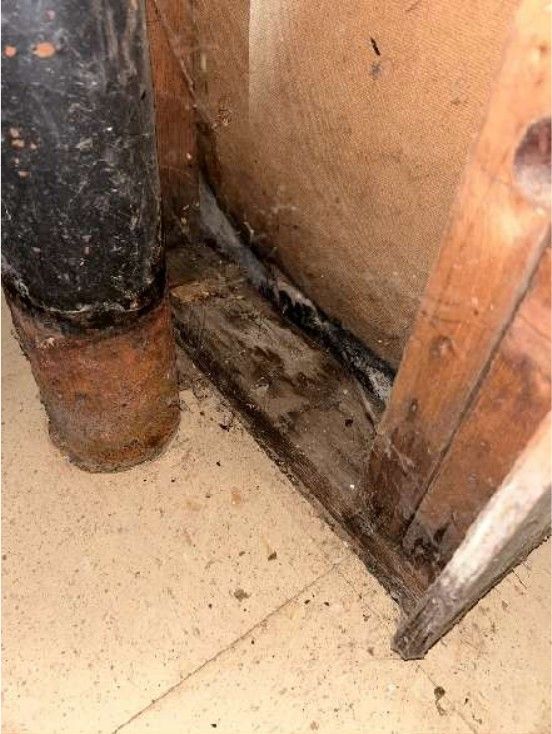
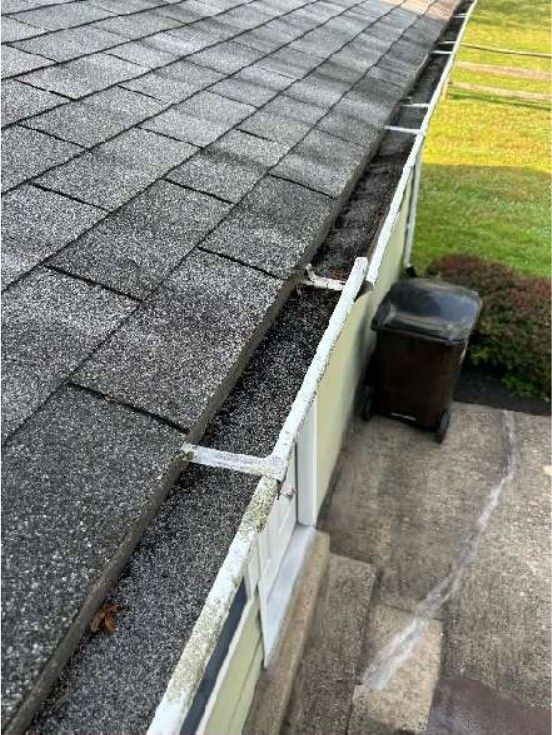
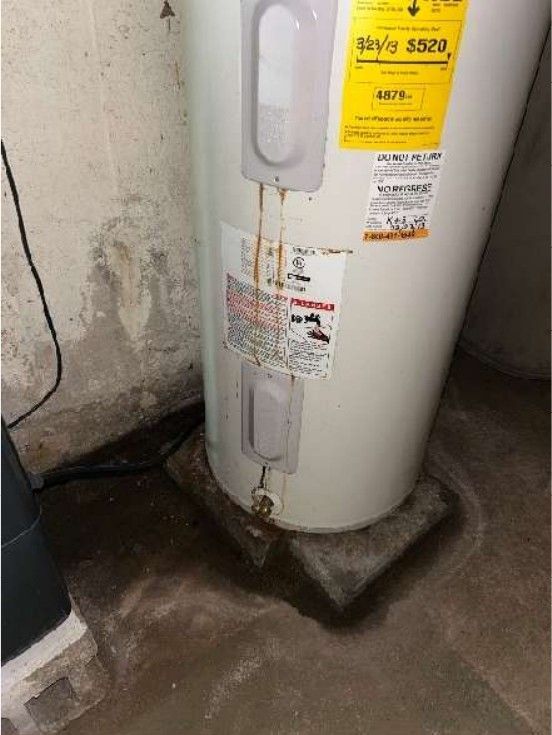
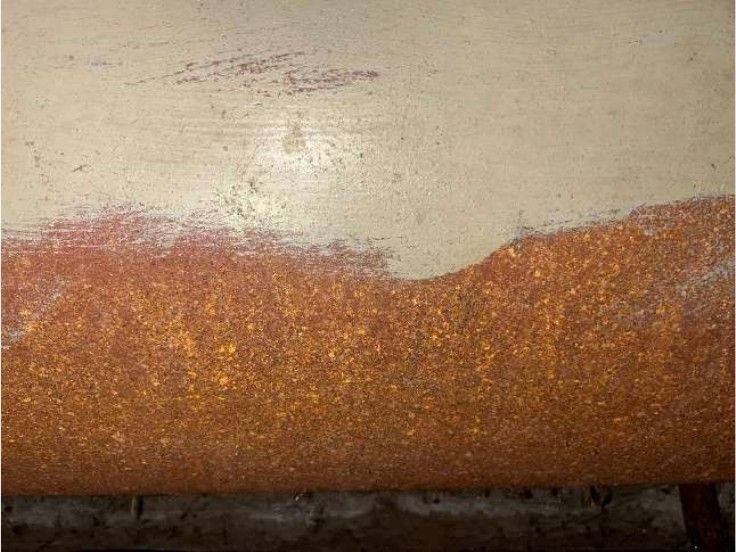
From a recent Phoenixville inspection
Real findings Bob documented on the job in Phoenixville — the detail that goes in your same-day, photo-rich report.
Why Choose Bob
Why do Phoenixville homeowners choose All Seasons?
You Always Get Bob
When you hire All Seasons, Bob personally oversees your inspection — start to finish. No corporate dispatch, no unknown inspector. You know exactly who's walking through your Phoenixville home.
InterNACHI Certified
InterNACHI Certified Professional Inspector with 20+ years of specialized expertise in Chester County's 1880s–1960s housing stock.
24-Hour Reports
Your detailed, photo-rich inspection report delivered the same day. No waiting — so you can make decisions within your contract timeline.
Early to mid-20th century Expertise
Bob has deep experience with 1920s–1940s construction — homes built with real craftsmanship but aging infrastructure. He knows the common failure points: clay laterals, layered electrical upgrades, oil-to-gas conversions, and plaster moisture issues that other inspectors miss.
Get in Touch
How do I schedule an inspection in Phoenixville?
Same-week appointments available throughout the Philadelphia region.
Tell Us About Your Property
Bob returns every call within 24 hours. Inspections typically scheduled within the week. No spam, no email lists.
Common Questions
What are common home inspection questions in Phoenixville?
Questions buyers and sellers in Phoenixville ask us most often — answered directly.