Professional Home Inspection in Phoenixville, PA
InterNACHI-certified home inspection serving Phoenixville and all of Chester County. Bob personally inspects every major system — structure, roof, electrical, plumbing, HVAC, foundation, and exterior envelope — against ASHI and InterNACHI standards. Full 24-hour photo-documented report. 4.9★, 174 Google reviews.
Inspections typically scheduled within the week. Bob returns every call within 24 hours.
Phoenixville, Chester County
What does a home inspection in Phoenixville include?
A home inspection in Phoenixville, Chester County is a top-to-bottom evaluation of a single property -- foundation, structure, roof, electrical, plumbing, HVAC, and exterior envelope -- performed in person by Bob against ASHI and InterNACHI standards, with a full photo-documented digital report delivered inside 24 hours.
Phoenixville sits along the Schuylkill River in Chester County, roughly 25 miles northwest of Philadelphia, and its housing stock tells the story of a 19th-century industrial town that has spent the last two decades reinventing itself. The Phoenix Iron Company -- whose steel went into the construction of the Brooklyn Bridge -- drew workers here from the 1840s onward, and those workers built the rowhouses, twin homes, and detached Victorians that still line Bridge Street, Church Street, and the neighborhoods radiating out from downtown. The Phoenixville Historic District protects much of the original streetscape, and the Colonial Theatre -- famously featured in the 1958 film The Blob -- anchors a Bridge Street corridor that now draws restaurants, breweries, and boutiques. Schuylkill River Trail access at Betzwood and the nearby Black Rock Sanctuary make the borough attractive to buyers who want walkable urban amenity alongside outdoor recreation. The Phoenixville Area School District serves the borough proper, and proximity to the Phoenixville Hospital campus along Nutt Road adds to the area's appeal. Homes in the Longford Knoll and Valley Forge Road corridors tend to be mid-century ranch and split-level construction, while the blocks around Gay Street and Main Street closer to downtown contain the densest concentration of late Victorian and Edwardian row homes. Kimberton Road and the edges of the borough near Route 23 include post-war cape cods and bungalows built for workers who followed the GI Bill. The Phoenixville Farmers Market and the annual Blobfest celebration draw regional attention, but for buyers, the real story is the age and condition of the housing -- most of it built between 1880 and 1960, representing every challenge and quirk that comes with pre-modern construction.
When I inspect homes in Phoenixville, I know before I pull up to the curb that I am almost certainly walking into a building that is 80, 100, or 120 years old -- and that means I am looking for the specific problems that come with that era, not just running a generic checklist. The three issues I find most consistently in Phoenixville are knob-and-tube wiring that remains energized behind finished walls and under blown insulation, stone foundation mortar joints that have deteriorated to the point of allowing chronic moisture intrusion into basements, and original clay sewer laterals that have either bellied under decades of ground movement or admitted enough root intrusion to be functionally blocked. These are not cosmetic items. Each one has real cost and real negotiating weight. On the electrical side, I check attics and basements methodically because partial upgrades are common -- a homeowner or a flipper will upgrade the panel and a few circuits but leave K&T running to the second floor or to a finished third-floor bedroom. That surviving K&T under insulation is the specific scenario insurers flag, and it is exactly what I am looking for. Foundation moisture in these river-valley homes is compounded by the Phoenixville area topography -- many lots slope toward the structure, and original grading rarely meets modern drainage expectations. I check lime mortar joints, look for efflorescence staining, and probe the basement slab perimeter. Buyers who have also looked at homes in West Chester sometimes ask me whether Phoenixville homes are in worse shape -- honestly, the issues are similar, but Phoenixville has a higher concentration of attached row homes where shared walls complicate drainage and structural assessment. The good news is that the bones of these buildings are genuinely solid: iron-era construction with old-growth lumber framing holds up well when it has been maintained. My job is to tell you exactly what has been maintained and what has not, with repair-cost ranges so you can decide whether to negotiate, ask for remediation, or move on. Call 610-348-6728 to schedule.
What does Bob check during a Phoenixville home inspection?
Bob approaches every Phoenixville inspection per ASHI and InterNACHI Standards of Practice. With 1880s–1960s housing stock dominant in Phoenixville, he focuses on the era-specific concerns that affect early to mid-20th century construction in Chester County.
Block & Poured Foundations with Clay Laterals
1920s–1940s homes typically feature poured concrete or concrete block foundations — an improvement over stone, but still vulnerable to cracking and water intrusion after 80+ years. Bob pays special attention to clay sewer laterals common in this era, which suffer from tree root intrusion and joint separation.
Early Electrical Upgrades & Oil-to-Gas Conversions
Many homes from this era have had multiple electrical upgrades layered over original wiring — sometimes creating code violations where old and new systems connect improperly. Bob also evaluates oil-to-gas furnace conversions, checking that chimney liners, supply lines, and venting meet current safety standards.
Original Slate Roofs & Plaster-Over-Lath Moisture
Original slate and clay tile roofs from the 1920s–1940s may still be serviceable but require careful inspection for worn fasteners and deteriorating underlayment. Bob checks for plaster-over-lath moisture issues where exterior water intrusion saturates wall cavities behind intact-looking plaster surfaces.
Plaster Walls, Hardwood Floors & Early Insulation
These homes feature quality craftsmanship — hardwood floors, plaster walls, built-in cabinetry — but often lack adequate insulation by modern standards. Bob evaluates whether past insulation retrofits were done properly and checks for moisture trapped behind plaster from exterior or plumbing leaks.
Because so much of Phoenixville's housing stock predates 1940, original wiring is a recurring finding here. Bob wrote a detailed field guide on knob-and-tube wiring in Philadelphia-area homes — how to identify it, when it is genuinely hazardous, and what insurers require.
What are common issues in Phoenixville homes?
Based on 20+ years inspecting early to mid-20th century homes in Chester County, these are the issues Bob finds most often in Phoenixville's 1880s–1960s housing stock:
- Clay sewer laterals with tree root intrusion and bellied sections
- Layered electrical upgrades with code violations at old/new connections
- Oil-to-gas furnace conversions with improper chimney liner sizing
- Original slate or clay tile roofs reaching end of useful life
- Plaster-over-lath moisture damage hidden behind intact-looking walls
- Inadequate insulation and single-pane windows driving high energy costs
Ready to schedule your Phoenixville inspection?
Inspections typically scheduled within the week. Bob returns every call within 24 hours.
Also Available: Mold Testing & Air Quality in Phoenixville
In addition to home inspections, Bob provides professional mold testing and air quality analysis for Phoenixville properties. PRO-LAB certified lab results starting from $290.
Learn About Mold Testing in PhoenixvilleSchedule Your Home Inspection in Phoenixville
Same-week appointments available. Bob personally oversees every inspection — you always know who's walking through your home.
610-348-6728Mon–Sat, 7am–7pm • Urgent pre-closing available
Get a Free Estimate See a Sample ReportInspection Services in Phoenixville
- Residential Home Inspection
- Pre-Listing Inspection
- New Construction Inspection
- 11-Month Warranty Inspection
- WDI / Termite Inspection
- Radon Testing
Pricing for Phoenixville
Every home is different. Call Bob for your specific quote — he'll give you an honest number on the spot.
See Full Pricing Details →More Phoenixville Pages
Nearby Areas Also Served
From the Field
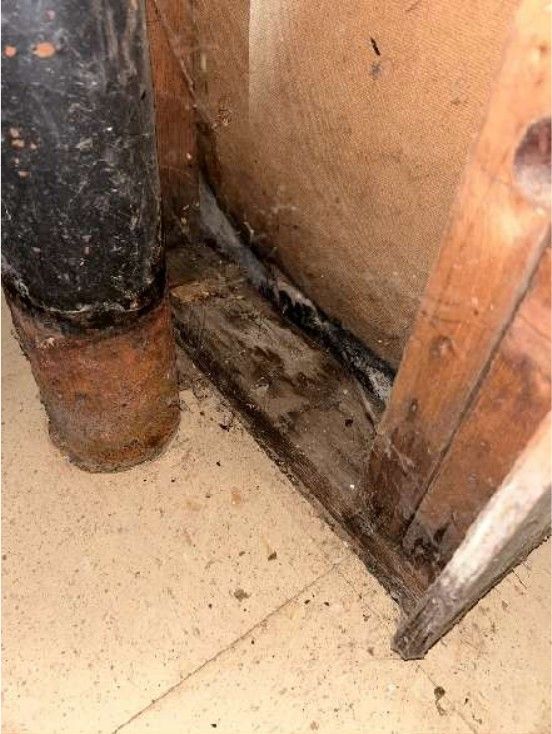
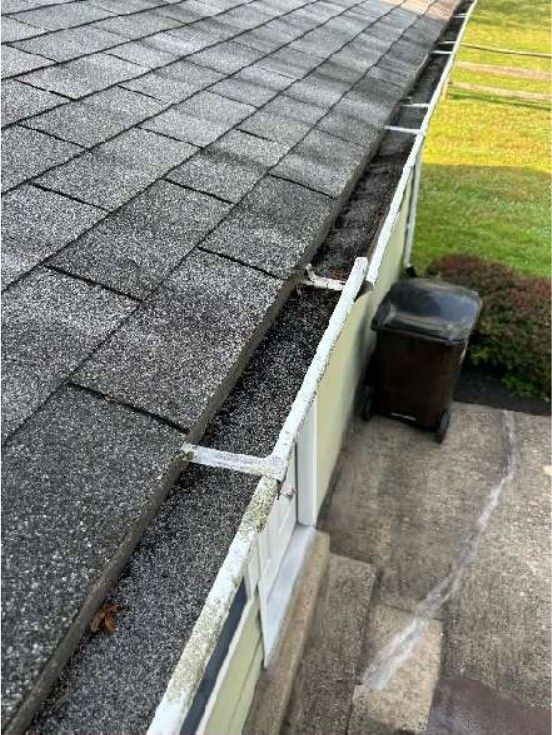
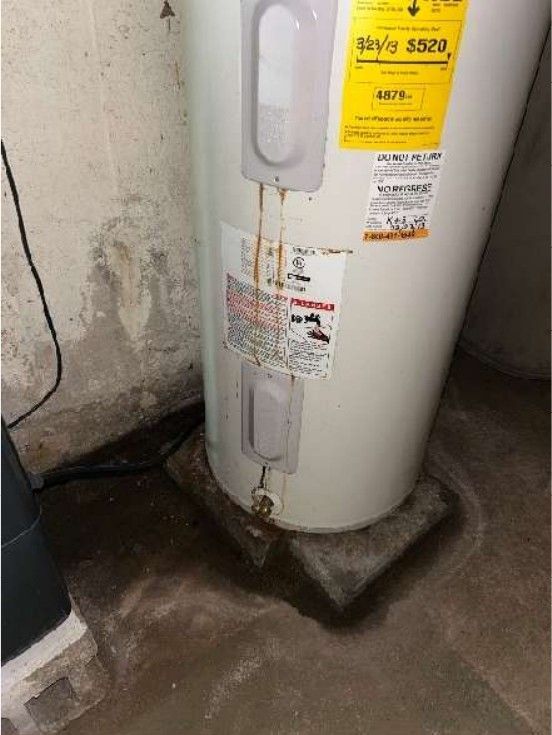
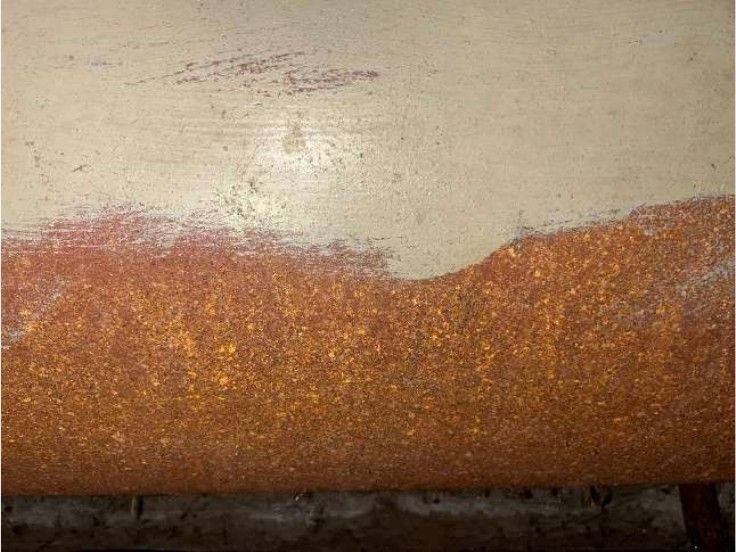
From a recent Phoenixville inspection
Real findings Bob documented on the job in Phoenixville — the detail that goes in your same-day, photo-rich report.
Why Choose Bob
Why do Phoenixville homeowners choose All Seasons?
You Always Get Bob
When you hire All Seasons, Bob personally oversees your inspection — start to finish. No corporate dispatch, no unknown inspector. You know exactly who's walking through your Phoenixville home.
InterNACHI Certified
InterNACHI Certified Professional Inspector with 20+ years of specialized expertise in Chester County's 1880s–1960s housing stock.
24-Hour Reports
Your detailed, photo-rich inspection report delivered the same day. No waiting — so you can make decisions within your contract timeline.
Early to mid-20th century Expertise
Bob has deep experience with 1920s–1940s construction — homes built with real craftsmanship but aging infrastructure. He knows the common failure points: clay laterals, layered electrical upgrades, oil-to-gas conversions, and plaster moisture issues that other inspectors miss.
From the Blog
What should Phoenixville homebuyers know about inspections?
Get in Touch
How do I schedule a home inspection in Phoenixville?
Same-week appointments available throughout the Philadelphia region.
Tell Us About Your Property
Bob returns every call within 24 hours. Inspections typically scheduled within the week. No spam, no email lists.
Common Questions
What are common home inspection questions in Phoenixville?
Questions buyers and sellers in Phoenixville ask us most often — answered directly.