Professional Home Inspection in West Chester, PA
InterNACHI-certified home inspection serving West Chester and all of Chester County. Bob personally inspects every major system — structure, roof, electrical, plumbing, HVAC, foundation, and exterior envelope — against ASHI and InterNACHI standards. Full 24-hour photo-documented report. 4.9★, 178 Google reviews.
Inspections typically scheduled within the week. Bob returns every call and books your date within 24 hours.
West Chester, Chester County
What does a home inspection in West Chester include?
A home inspection in West Chester, Chester County is a top-to-bottom evaluation of a single property — foundation, structure, roof, electrical, plumbing, HVAC, and exterior envelope — performed in person by Bob against ASHI and InterNACHI standards, with a full photo-documented digital report delivered inside 24 hours.
West Chester is the seat of Chester County, and that county-seat identity matters for anyone buying a home here. Unlike the Main Line pre-1920 towns along the Paoli-Thorndale line, West Chester Borough has no SEPTA rail station of its own — just SEPTA bus routes such as the 92, 104, and 135 plus Routes 202, 322, and 3 feeding in from the surrounding townships. What you are buying inside the borough is a compact, walkable grid built out around the Chester County Courthouse between the 1880s and 1910s, with one of the largest intact Victorian downtowns on the National Register anywhere in the region. The housing stock reflects that era very specifically: Victorian brick and stone rowhouses along High Street, Gay Street, and the side blocks off Market Street share party walls with their neighbors, and those shared walls drive a set of inspection issues you simply do not see on a detached single. Closer to West Chester University you find Queen Anne and Italianate singles on larger lots, plus former boardinghouses that have been converted back to single-family use, and carriage houses behind the bigger High Street addresses that now function as ADUs. The Greystone and Everhart Park neighborhoods on the borough's north and west edges skew toward stone and brick singles from roughly 1890 to 1915, and as you cross into West Goshen or East Bradford Township the rules — and the permit records — change entirely. West Chester Area School District covers both the borough and the township edges, so the district does not tell you which jurisdiction you are in.
Bob brings 20+ years of pre-1920 experience to West Chester's borough stock, and the defect patterns here are specific enough that they deserve naming. In the brick twins off Matlack Street, original cast-iron stacks commonly pinhole at the joints between the basement slab and the first floor, invisible from the kitchen and obvious once you are in the cellar with a flashlight. On the party-wall rows between Gay Street and Market Street, the common finding is missing or deteriorated fire-stopping at the shared wall where a balloon-framed addition met the original masonry, along with century-old slate that has reached end-of-life and tin cornice that is rusting through at the flashing line. I look hard at foundation pointing on the schist and sandstone basements around Everhart Park, because lime mortar that has lost its bind lets the stones migrate before you see a crack upstairs. Former WCU rental conversions almost always show deferred maintenance — painted-shut windows, overloaded circuits added piecemeal, bathroom vents that terminate in the attic instead of through the roof. Borough water service from the pre-1920 mains is frequently lead on the house side of the curb stop, and inside the walls of third-floor former servant rooms I still find live knob-and-tube behind knee-wall insulation. Abandoned gas-light piping is common in plaster walls and should be pressure-checked before it is assumed dead. If you are looking across the line in Downingtown or Exton, the era mix changes and so does the punch list — see the guide on evaluating an inspector for what to ask before you book.
What does Bob check during a West Chester home inspection?
Bob approaches every West Chester inspection per ASHI and InterNACHI Standards of Practice. With 1900s–1990s housing stock dominant in West Chester, he focuses on the era-specific concerns that affect post-war and mid-century construction in Chester County.
Post-War Foundations & Construction Shortcuts
Post-war homes were built rapidly to meet housing demand, sometimes with thinner foundation walls and simplified construction methods. Bob checks for settlement cracks and the shortcuts that characterized mass-produced housing of this era — including minimal crawlspace clearance.
Asbestos Pipe Wrap, Galvanized Plumbing & Undersized Panels
This era's homes frequently contain asbestos in floor tiles, pipe insulation, and duct tape. Bob also evaluates galvanized steel plumbing — which corrodes from the inside after 50-70 years, reducing water pressure and quality — and electrical panels that may be undersized for modern demands (60-100 amp services).
Asphalt Roofing & Cape Cod Ventilation Problems
Post-war homes were typically roofed with asphalt shingles that have been replaced at least once by now. Bob inspects current roofing condition and pays particular attention to Cape Cod and split-entry designs where inadequate attic ventilation creates ice dam risks and premature roof failure.
Asbestos Floor Tiles, Original Windows & Insulation Gaps
9x9-inch floor tiles are a telltale sign of asbestos-containing materials common in 1940s–1960s homes. Bob documents these conditions alongside original single-pane windows, insufficient wall insulation, and early drywall installations that may mask underlying moisture issues.
In 1900s–1990s homes like most of West Chester's, the electrical panel is one of the most common write-ups. Bob's guide to Federal Pacific and Zinsco panels covers how to identify one yourself and what replacement actually costs.
What are common issues in West Chester homes?
Based on 20+ years inspecting post-war and mid-century homes in Chester County, these are the issues Bob finds most often in West Chester's 1900s–1990s housing stock:
- Asbestos in 9x9 floor tiles, pipe insulation, and boiler components
- Galvanized steel plumbing with internal corrosion reducing water pressure
- Undersized electrical panels (60-100 amp) unable to support modern loads
- Poor attic ventilation in Cape Cod designs causing ice dams and moisture damage
- Original single-pane windows with failed glazing and air infiltration
- Basement moisture from minimal or absent exterior waterproofing
Ready to schedule your West Chester inspection?
Inspections typically scheduled within the week. Bob returns every call and books your date within 24 hours.
Also Available: Mold Testing & Air Quality in West Chester
In addition to home inspections, Bob provides professional mold testing and air quality analysis for West Chester properties. PRO-LAB certified lab results starting from $290.
Learn About Mold Testing in West ChesterSchedule Your Home Inspection in West Chester
Same-week appointments available. Bob personally performs every inspection — you always know who's walking through your home.
610-348-67287 days, 7am–midnight • Urgent pre-closing available
Get a Free Estimate See a Sample ReportInspection Services in West Chester
- Residential Home Inspection
- Pre-Listing Inspection
- New Construction Inspection
- 11-Month Warranty Inspection
- WDI / Termite Inspection
- Radon Testing
Pricing for West Chester
Every home is different. Call Bob for your specific quote — he'll give you an honest number on the spot.
See Full Pricing Details →More West Chester Pages
Nearby Areas Also Served
From the Field
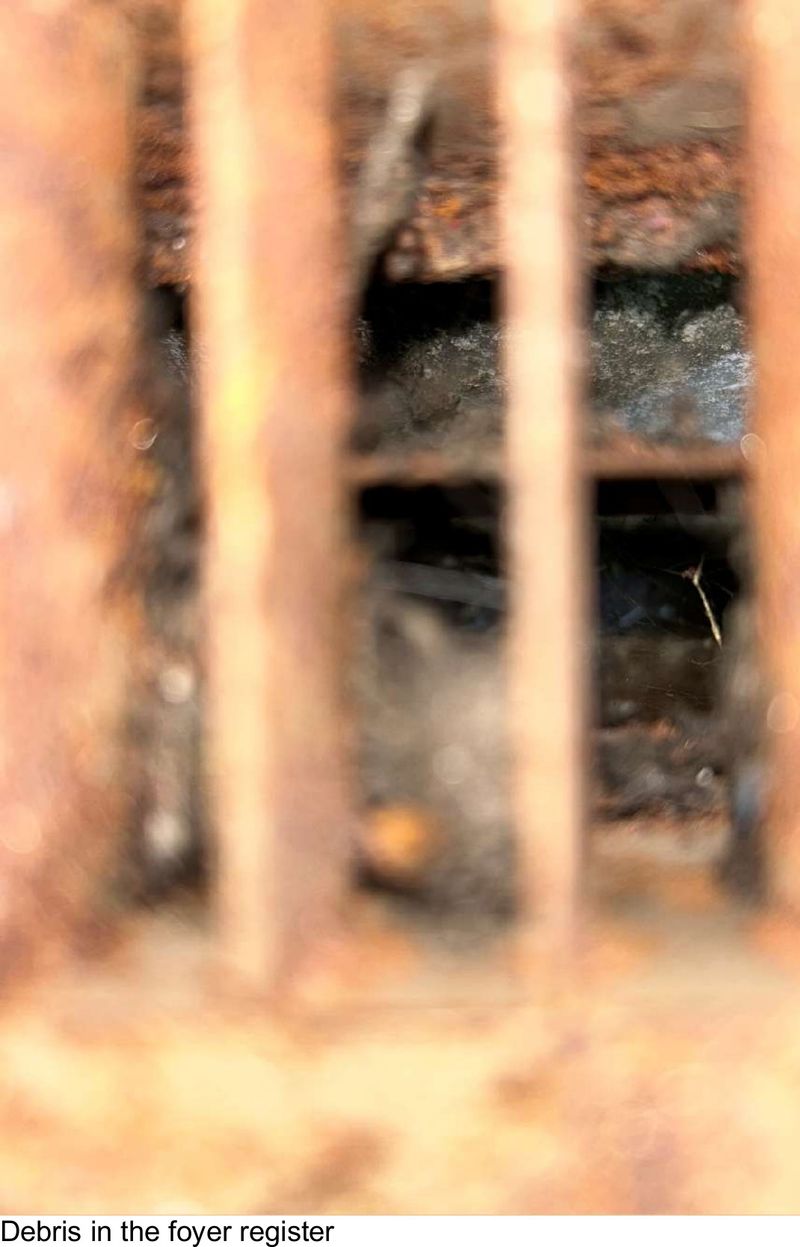
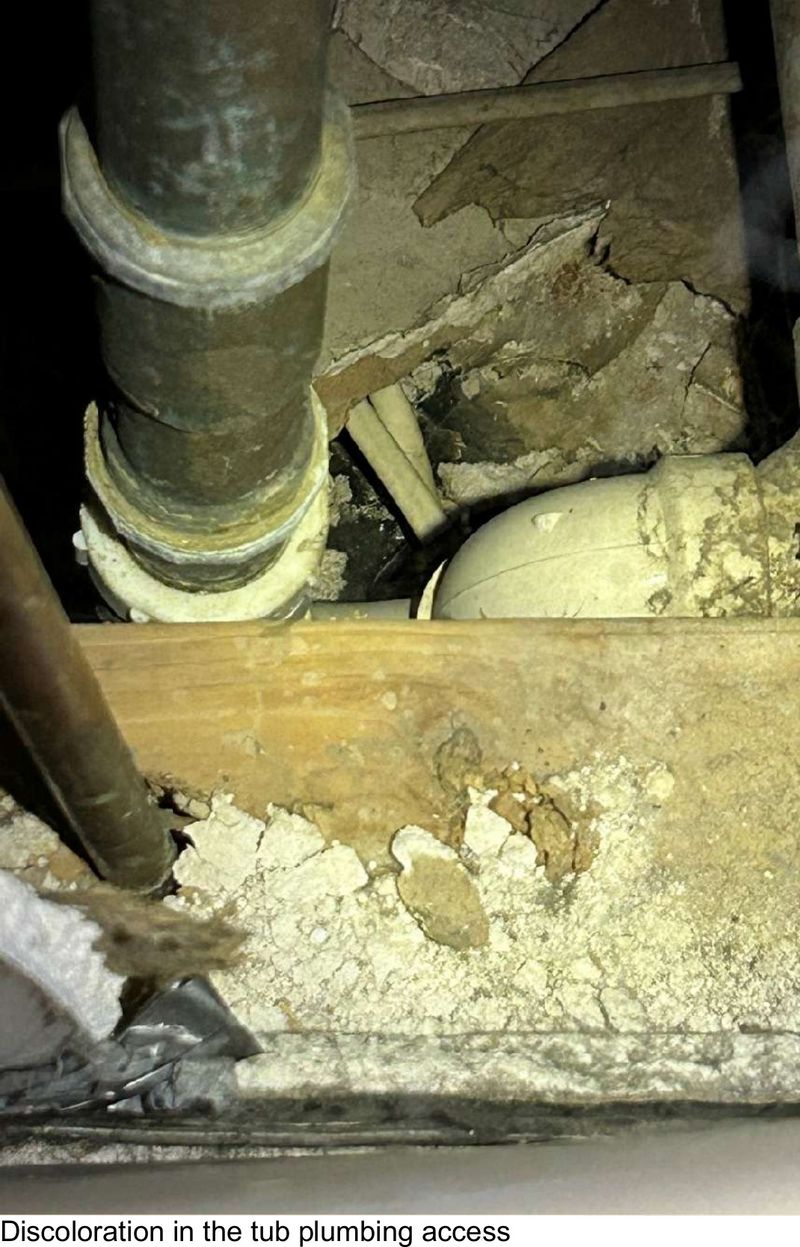
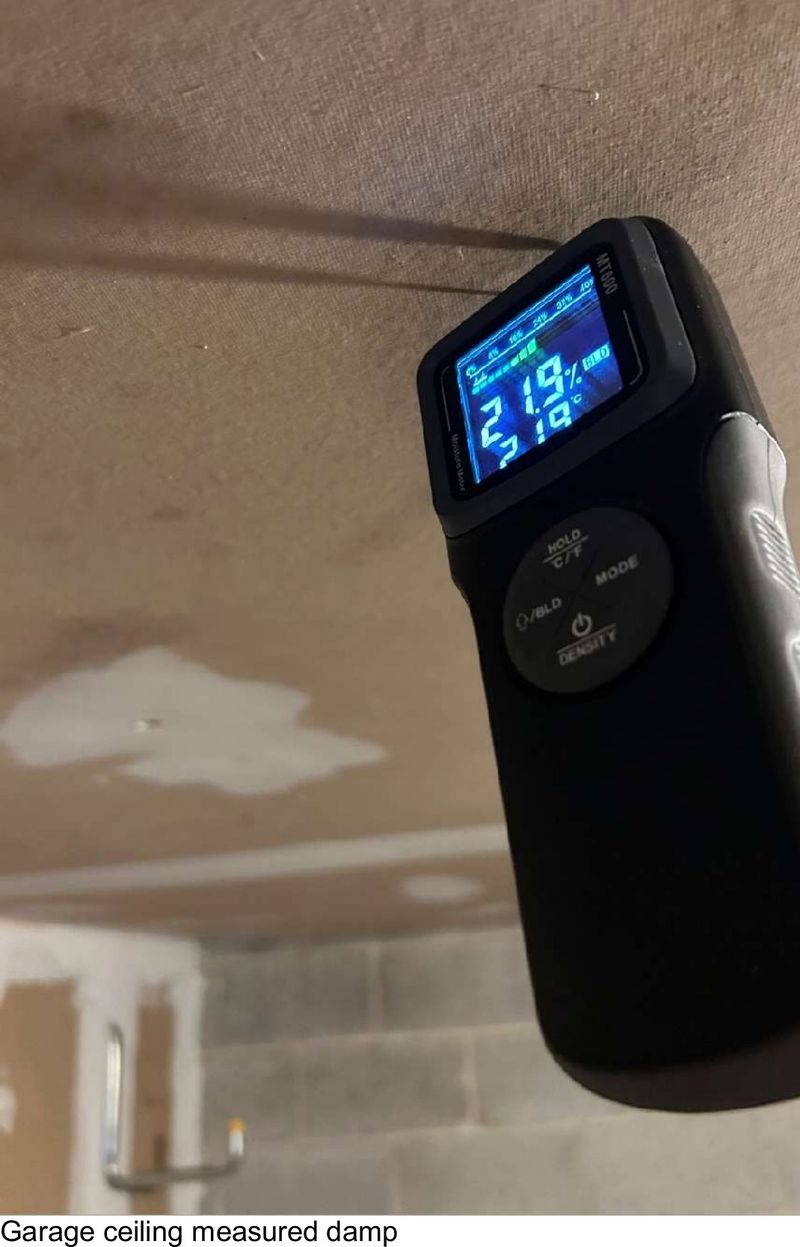
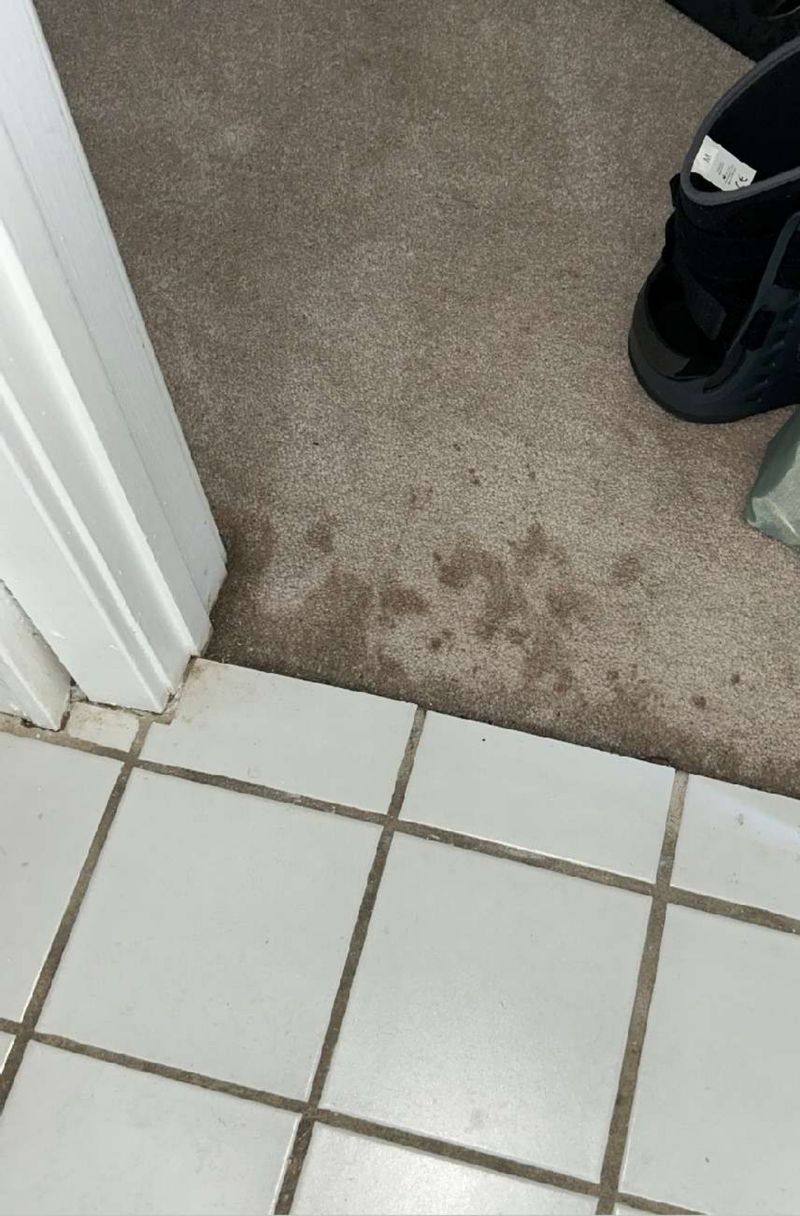
From a recent West Chester inspection
Real findings Bob documented on the job in West Chester — the detail that goes in your photo-rich report, delivered within 24 hours.
Why Choose Bob
Why do West Chester homeowners choose All Seasons?
You Always Get Bob
When you hire All Seasons, Bob personally performs your inspection — start to finish. No corporate dispatch, no unknown inspector. You know exactly who's walking through your West Chester home.
InterNACHI Certified
InterNACHI Certified Professional Inspector with 20+ years of specialized expertise in Chester County's 1900s–1990s housing stock.
24-Hour Reports
Your detailed, photo-rich inspection report delivered within 24 hours. No waiting — so you can make decisions within your contract timeline.
Post-war and mid-century Expertise
Bob has inspected post-war homes across the Philadelphia suburbs for more than 20 years — the Cape Cods, ranches, and split-levels that define this region. He knows exactly where asbestos hides, which galvanized pipe sections fail first, and how to evaluate the shortcuts builders took during the post-war housing boom.
From the Blog
What should West Chester homebuyers know about inspections?
Get in Touch
How do I schedule a home inspection in West Chester?
Same-week appointments available throughout the Philadelphia region.
Tell Us About Your Property
Bob returns every call and books your date within 24 hours. Inspections typically scheduled within the week. No spam, no email lists.
Common Questions
What are common home inspection questions in West Chester?
Questions buyers and sellers in West Chester ask us most often — answered directly.