Mold Inspection & Testing in West Chester, PA
All Seasons provides professional mold inspection and testing in West Chester, Chester County, PA. PRO-LAB certified lab results in 2-3 days with clear interpretation. Owner-operator Bob personally collects every sample — 20+ years experience, no conflict of interest. Starting from $290. Call 610-348-6728 for a free estimate.
West Chester, Chester County, PA
How does mold testing work in West Chester?
West Chester Borough sits at the heart of Chester County as its county seat, a compact walkable grid anchored by Gay Street, High Street, and the Chester County Courthouse at the center of the West Chester Historic District. The borough is bordered by West Goshen Township to the north, east, and south and East Bradford Township to the west, with Route 202 threading through as the primary commercial corridor and the Brandywine Creek watershed shaping the low-lying drainage patterns that affect properties throughout the region. West Chester University occupies the southwest corner of the borough, and the SEPTA Thorndale/Paoli line connects riders to the broader Main Line network from stations in the adjacent townships. The housing stock that dominates the inner borough — particularly along Miner Street, New Street, and Chestnut Street as well as the blocks radiating out from Gay and High Streets — represents some of the oldest continuously occupied residential fabric in Chester County. Pre-1920 Federal, Victorian, and Greek Revival homes crowd the dense downtown core, their fieldstone and brick foundations predating modern waterproofing by a century or more. These foundations were laid without vapor barriers, relying instead on lime mortar joints that have now cycled wet and dry for well over 100 years, creating chronic pathways for groundwater migration into basement and cellar spaces. Moving outward from the historic core, the residential streets transition to 1920s through 1950s brick colonials where original clay drain tiles have slowly cracked and clogged over decades. Attic conversions throughout the borough — many tied to West Chester University rental use — incorporated plaster walls and modified ceiling cavities that trap seasonal moisture without adequate ventilation pathways. Pre-1920 homes are among the highest-risk properties for mold growth due to stone foundations that wick moisture, lime mortar joints that crack over time, and original drainage systems that predate modern waterproofing. Porous stone foundations with no vapor barrier allow constant moisture migration, original clay drainage tiles crack and clog directing water toward the foundation, lime mortar repointing gaps create moisture entry points, and unventilated basement spaces with earth or deteriorating concrete floors hold that moisture season after season. Coal system remnants in basement mechanical spaces — sealed chutes, abandoned firebox openings, and residual ductwork — further complicate the moisture picture by creating dead-air zones where spore counts can accumulate undetected.
I have been inspecting pre-1920 homes in and around West Chester Borough for more than 20 years, and the mold picture here is specific enough that it deserves plain language rather than generalities. On Gay Street and High Street and across the surrounding residential grid, the homes sit on original fieldstone foundations that were never designed to resist the kind of sustained groundwater pressure that modern waterproofing systems take for granted. The lime mortar joints holding those stones together have been cycling through wet winters and dry summers for well over a century. In my experience, moisture intrusion in West Chester basements is not an anomaly — it is the baseline condition of the housing stock. I do not walk into a pre-1920 borough basement expecting it to be dry. I walk in expecting to find evidence of moisture and then I document exactly where it is entering, what the spore counts look like in the air column, and whether the biology has already taken hold in the wall cavities, the sill plates, or the floor framing above. Moving out to the 1920s through 1950s brick colonials on the outer residential streets, the problem shifts. Those homes typically have poured concrete or block foundations rather than fieldstone, but the original clay drain tiles surrounding them have had seventy to a hundred years to crack, root-intrude, and clog, and when those tiles fail they redirect groundwater laterally toward the foundation rather than away from it. I find elevated moisture readings along foundation base courses in these homes consistently, and the mold that follows tends to colonize the lower courses of interior framing before it becomes visible. Near West Chester University, rental conversions present a third pattern: original ventilation paths through the building envelope have been modified for multi-unit occupancy, bathroom additions were installed without proper exhaust ventilation routed to the exterior, and attic spaces converted to sleeping rooms lack the cross-ventilation that the original construction assumed. If you are also considering homes across the county line in Downingtown, the era mix and foundation types shift, but the testing protocol I use travels with me. Bob encourages every client to be present during the testing visit — he walks you through what he is sampling, where he suspects elevated counts, and what the lab results mean before you are asked to make any decisions. Call 610-348-6728 to schedule.
Why are West Chester's 1900s–1990s homes at risk for mold?
Post-war homes from the 1940s–1960s are among the most common properties Bob tests for mold. Their combination of aging plumbing, minimal waterproofing, and early HVAC systems creates multiple moisture pathways.
Galvanized plumbing pinhole leaks inside walls creating hidden moisture damage
Undersized or absent bathroom exhaust fans allowing humidity to accumulate
Cape Cod and split-level designs with condensation-prone attic kneewall spaces
Original basement floor drains connected to deteriorating clay or cast iron lines
How does Bob test for mold in West Chester?
Bob follows a systematic approach calibrated to the specific risks of post-war and mid-century construction in Chester County. All sampling protocols follow EPA mold testing guidelines:
Indoor Air Quality Sampling
Bob collects air samples from areas of concern and compares them against outdoor baseline readings. This comparison reveals whether indoor mold levels are elevated beyond what's normal for the environment.
PRO-LAB Certified Lab Analysis
All samples go to a PRO-LAB certified laboratory — the gold standard in environmental testing. Results return in 2-3 business days with a full written interpretation.
Clear Results & Honest Recommendations
Bob walks you through exactly what the lab results mean — no jargon, no panic. If remediation is needed, he'll explain what's involved so you can make informed decisions.
What are common issues in West Chester homes?
Based on 20+ years testing post-war and mid-century homes in Chester County, these are the issues Bob finds most often:
- Asbestos in 9x9 floor tiles, pipe insulation, and boiler components
- Galvanized steel plumbing with internal corrosion reducing water pressure
- Undersized electrical panels (60-100 amp) unable to support modern loads
- Poor attic ventilation in Cape Cod designs causing ice dams and moisture damage
- Original single-pane windows with failed glazing and air infiltration
- Basement moisture from minimal or absent exterior waterproofing
Also Available: Home Inspection in West Chester
In addition to mold testing, Bob provides comprehensive home inspections for West Chester properties. InterNACHI certified, starting from $325.
Learn About Home Inspection in West ChesterSchedule Mold Testing in West Chester
Same-week appointments available. Bob personally collects every sample — you always know who's in your home.
610-348-67287 days, 7am–midnight
Get a Free EstimateServices Available in West Chester
- Air Sampling
- Surface / Bulk Sampling
- Visual Mold Assessment
- Pre / Post-Remediation Testing
Mold Testing Pricing
Every property is different. Call Bob for your specific quote — he'll give you an honest number on the spot.
See Full Pricing Details →More West Chester Pages
Nearby Areas Also Served
West Chester is one of the Chester County communities Bob covers. For the wider picture of how mold testing works across the county, the moisture patterns that repeat here, and every town served, see Mold testing in Chester County.
From the Field
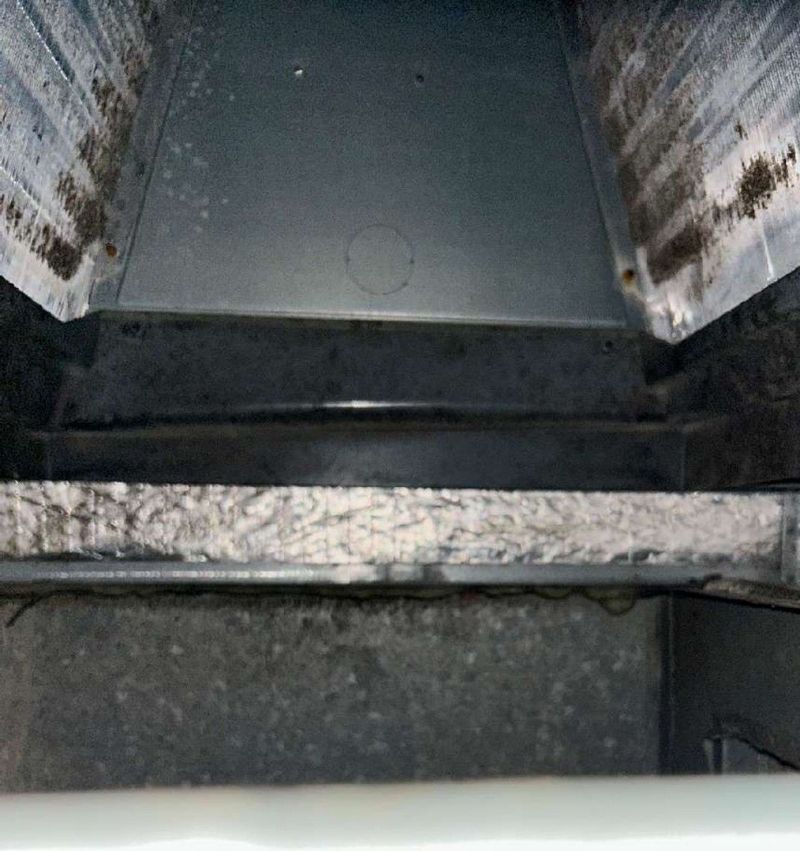
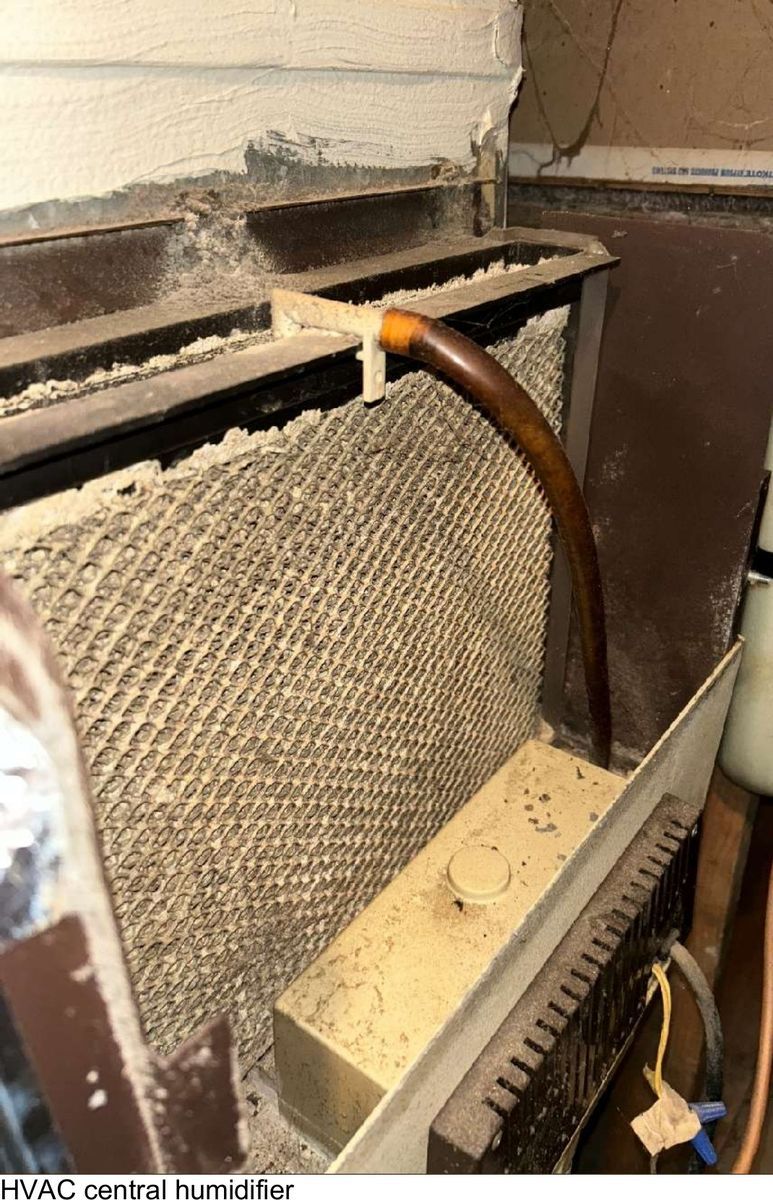
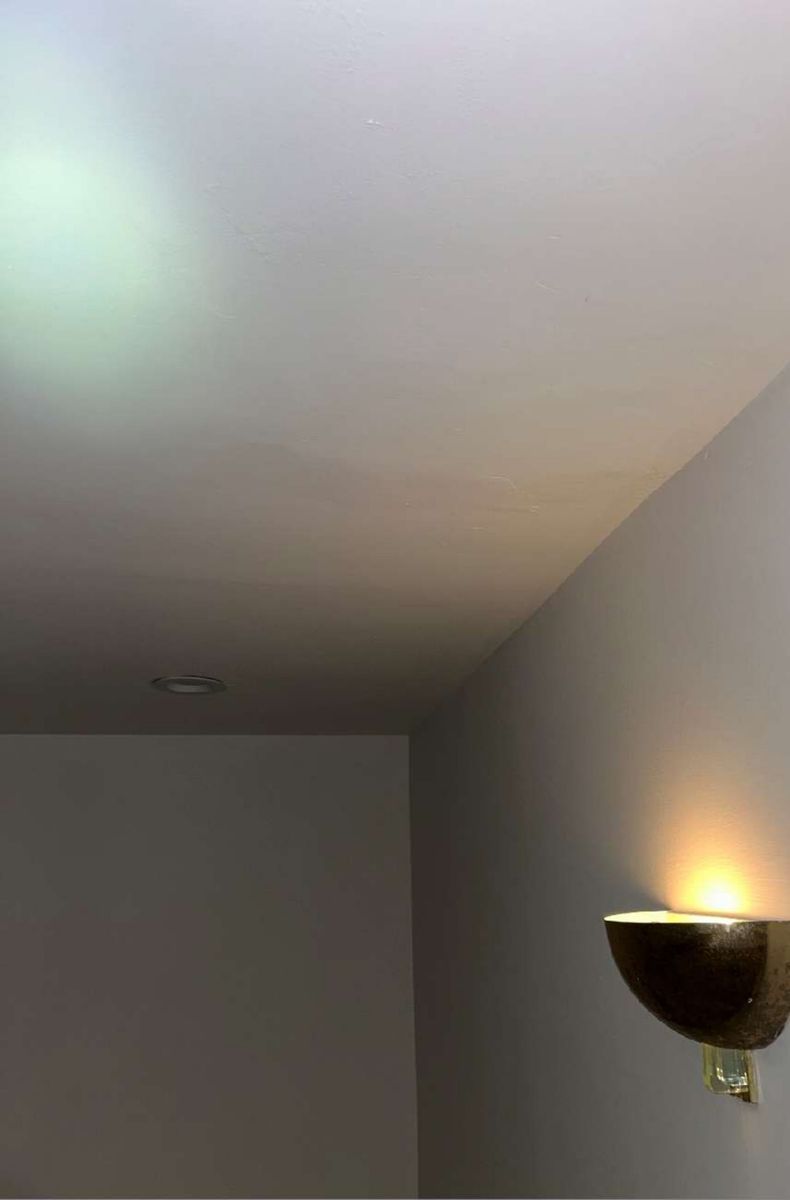
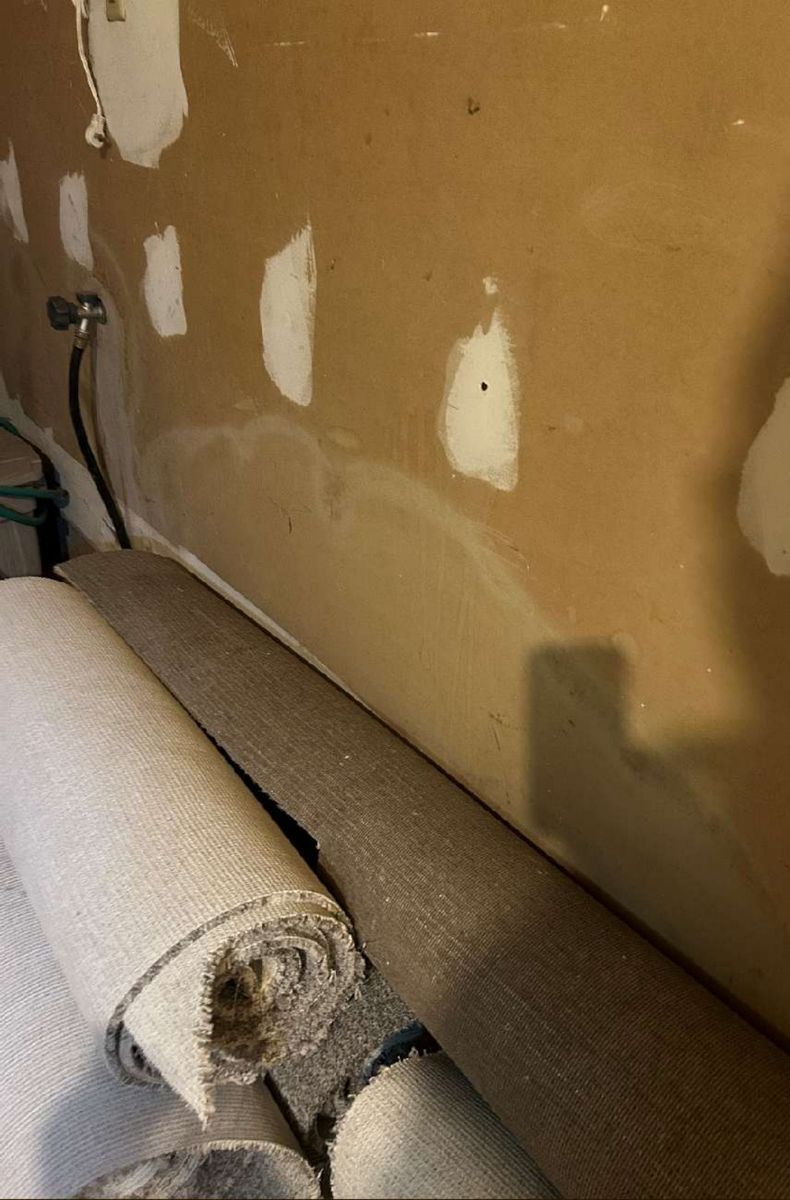
From a recent West Chester inspection
Real findings Bob documented on the job in West Chester — the detail that goes in your photo-rich report, delivered within 24 hours.
Why Choose Bob
Why choose All Seasons for mold testing in West Chester?
You Always Get Bob
Bob personally collects every sample — no subcontractors, no unknown technicians. You know exactly who's in your West Chester home.
PRO-LAB Certified Lab
Every sample is analyzed by a PRO-LAB certified laboratory — the gold standard in environmental testing. You get real science, not guesswork.
No Conflict of Interest
All Seasons tests and reports — we never perform remediation. Every finding is completely objective. Bob's only job is giving you the truth about your home's air.
Post-war and mid-century Expertise
Bob has inspected post-war homes across the Philadelphia suburbs for more than 20 years — the Cape Cods, ranches, and split-levels that define this region. He knows exactly where asbestos hides, which galvanized pipe sections fail first, and how to evaluate the shortcuts builders took during the post-war housing boom.
From the Blog
What should West Chester homeowners know about mold?
Get in Touch
How do I schedule a mold test in West Chester?
Same-week appointments available throughout the Philadelphia region.
Tell Us About Your Property
Bob returns every call within 24 hours. Inspections typically scheduled within the week. No spam, no email lists.
Common Questions
What are common mold testing questions in West Chester?
Common questions about mold testing in West Chester — answered directly.