Home Inspector Schwenksville, PA | Home Inspection & Mold Testing
All Seasons provides professional home inspections and PRO-LAB certified mold testing in Schwenksville, Montgomery County. InterNACHI-certified owner-operator Bob personally performs every inspection — 20+ years experience, 4.9 stars on Google, 24-hour reports. Home inspections from $325, mold testing from $290. Call 610-348-6728 for a free estimate.
Schwenksville, Montgomery County
What home inspection and mold testing services are available in Schwenksville?
The Perkiomen Creek runs straight through the middle of Schwenksville, and it shapes almost everything about how the housing stock here was built and where trouble tends to show up decades later. Main Street and Bridge Street sit low and close to the water, the Perkiomen Trail follows the old rail bed along the bank, and Gravel Pike carries Route 29 north past Spring Mount and Zieglerville while Route 73 climbs east out of the valley toward Skippack. Inside the borough you find tight rows of late-1800s and early-1900s frame houses on stone or rubble foundations, many of them sitting on small lots with basements that have taken water more than once. Get up out of the floodplain and the pattern changes fast: post-war Capes, ranches, and split-levels spread across Perkiomen Township and Lower Frederick and through the pockets around Rahns, Graterford, and Neiffer, most of them built quickly between the late 1940s and the 1960s for families feeding the Perkiomen Valley School District. Those mid-century houses share a recognizable build: block foundation walls, little or no exterior waterproofing, shallow crawlspaces under additions, galvanized supply lines, and 60 to 100 amp electrical services that were generous in 1955 and are not now. Roofs have been replaced at least once, sometimes twice, and the renovation waves that followed the valley's serious flood years left finished basements, added baths, and reworked kitchens layered over original framing. Between the creek bottom, the hillside lots toward Spring Mountain, and the farm parcels along the Big Road, no two Schwenksville properties age the same way.
Bob has worked enough Schwenksville properties to know the question is usually about water, not structure. Homes within a few blocks of the creek along Main and Bridge often have basements that have been wet at some point, and the mid-century houses up on the higher ground have their own version of the same story: block walls with no exterior waterproofing, downspouts dumping at the foundation, and a crawlspace under a 1960s addition that nobody has looked at in twenty years. That is exactly why he runs all three services himself. When a home inspection in Schwenksville turns up a damp crawlspace, staining on the underside of the subfloor, or a musty finished basement, Bob can collect mold samples and run indoor air quality testing on the same visit instead of sending you off to line up two more vendors and two more appointments. Buyers moving up the valley from Collegeville ask for the combined visit often, because the older Schwenksville stock rarely gives you a clean single answer. He does not do remediation or repairs, so nothing he finds turns into a sales pitch for work he would perform. You get one inspector, one set of findings, one digital report with photos in about 24 hours, and PRO-LAB certified lab results a couple of business days later. To talk through a Schwenksville property before you schedule, call Bob directly at 610-348-6728.
What does a home inspection in Schwenksville include?
Bob approaches every Schwenksville inspection per ASHI and InterNACHI Standards of Practice. With 1900s–1970s housing stock dominant in Schwenksville, Bob pays particular attention to the era-specific issues that affect early to mid-20th century construction in Montgomery County.
Block & Poured Foundations with Clay Laterals
1920s–1940s homes typically feature poured concrete or concrete block foundations — an improvement over stone, but still vulnerable to cracking and water intrusion after 80+ years. Bob pays special attention to clay sewer laterals common in this era, which suffer from tree root intrusion and joint separation.
Early Electrical Upgrades & Oil-to-Gas Conversions
Many homes from this era have had multiple electrical upgrades layered over original wiring — sometimes creating code violations where old and new systems connect improperly. Bob also evaluates oil-to-gas furnace conversions, checking that chimney liners, supply lines, and venting meet current safety standards.
Original Slate Roofs & Plaster-Over-Lath Moisture
Original slate and clay tile roofs from the 1920s–1940s may still be serviceable but require careful inspection for worn fasteners and deteriorating underlayment. Bob checks for plaster-over-lath moisture issues where exterior water intrusion saturates wall cavities behind intact-looking plaster surfaces.
Plaster Walls, Hardwood Floors & Early Insulation
These homes feature quality craftsmanship — hardwood floors, plaster walls, built-in cabinetry — but often lack adequate insulation by modern standards. Bob evaluates whether past insulation retrofits were done properly and checks for moisture trapped behind plaster from exterior or plumbing leaks.
How does mold testing work in Schwenksville?
Homes from the 1920s–1940s combine aging infrastructure with building practices that create persistent moisture pathways — clay sewer laterals, minimal foundation waterproofing, and plaster walls that mask moisture damage.
Clay sewer laterals with tree root intrusion causing backup and sub-slab moisture
Oil-to-gas conversion furnaces with condensation issues from improper chimney liner sizing
Plaster-over-lath walls that hold moisture for extended periods without visible exterior signs
Basement window wells with deteriorating drainage directing water toward foundation walls
Clear Results & Honest Recommendations
Bob walks you through exactly what the lab results mean — no jargon, no panic. All samples go to a PRO-LAB certified lab with results in 2-3 days. Mold testing starts at $290.
What are common issues in Schwenksville homes?
Based on 20+ years inspecting early to mid-20th century homes in Montgomery County, these are the issues Bob finds most often in Schwenksville's 1900s–1970s housing stock:
- Clay sewer laterals with tree root intrusion and bellied sections
- Layered electrical upgrades with code violations at old/new connections
- Oil-to-gas furnace conversions with improper chimney liner sizing
- Original slate or clay tile roofs reaching end of useful life
- Plaster-over-lath moisture damage hidden behind intact-looking walls
- Inadequate insulation and single-pane windows driving high energy costs
Schedule in Schwenksville
Same-week appointments available. Bob personally oversees every inspection — you always know who's walking through your home.
610-348-6728Mon–Sat, 7am–7pm • Urgent pre-closing available
Get a Free EstimateServices Available in Schwenksville
- Residential Home Inspection
- Mold Testing & Air Quality
- Radon Testing
- Pre-Listing Inspection
- New Construction Inspection
- WDI / Termite Inspection
- 11-Month Warranty Inspection
Pricing for Schwenksville
Every home is different. Call Bob for your specific quote — he'll give you an honest number on the spot.
See Full Pricing Details →Detailed Schwenksville Service Pages
Nearby Areas Also Served
From the Field
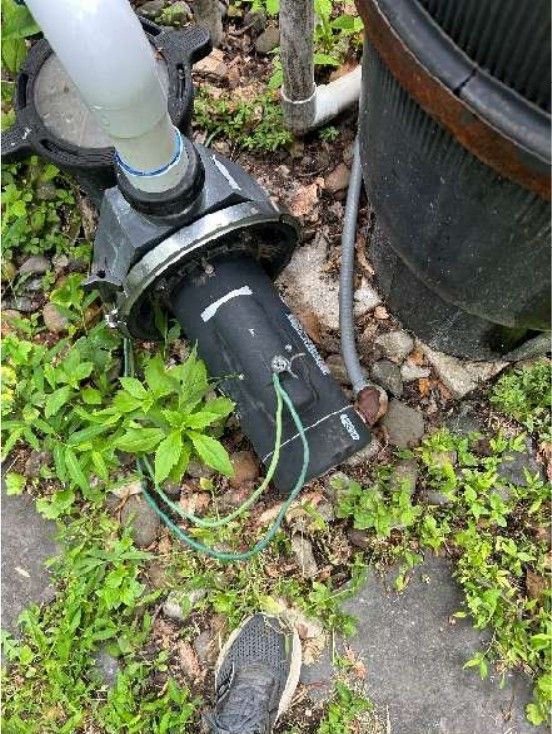
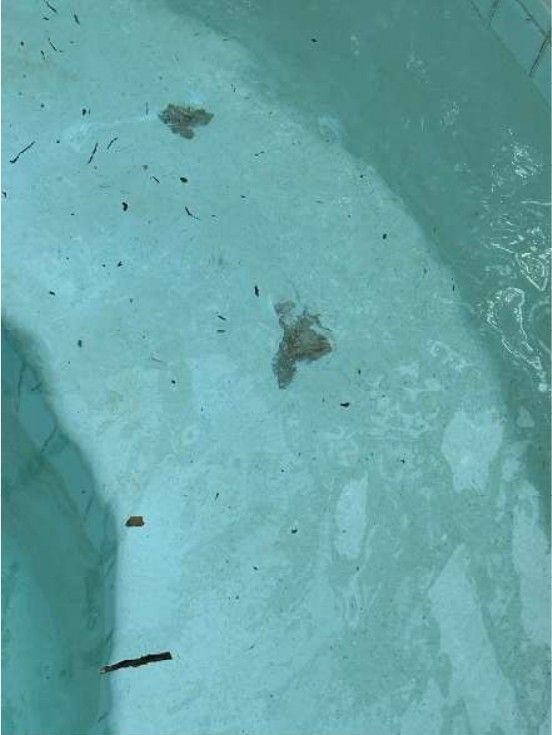
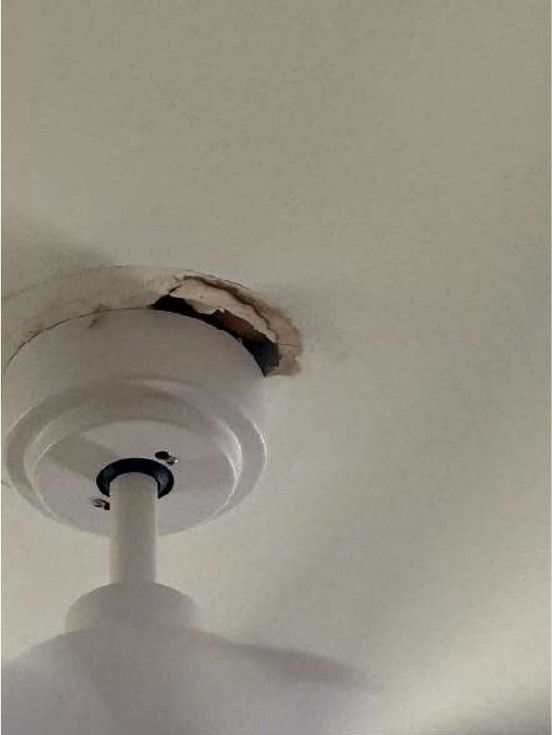
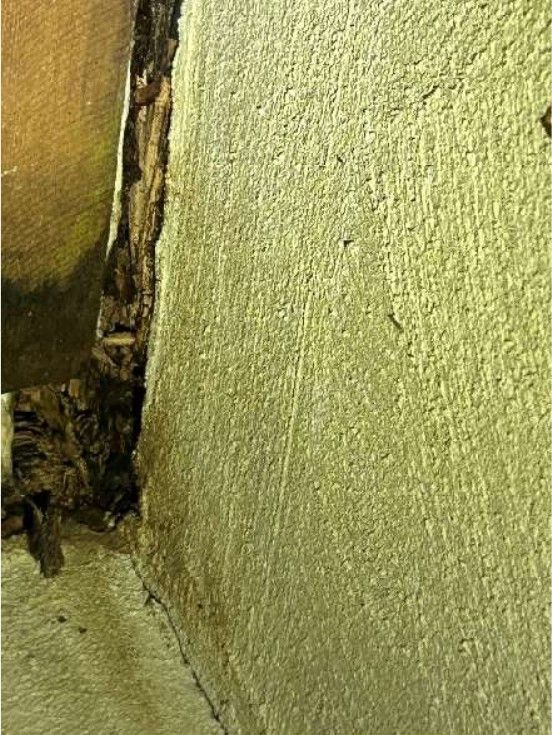
From a recent Schwenksville inspection
Real findings Bob documented on the job in Schwenksville — the detail that goes in your same-day, photo-rich report.
Why Choose Bob
Why do Schwenksville homeowners choose All Seasons?
You Always Get Bob
When you hire All Seasons, Bob personally oversees your inspection — start to finish. No corporate dispatch, no unknown inspector. You know exactly who's walking through your Schwenksville home.
InterNACHI Certified
InterNACHI Certified Professional Inspector with 20+ years of specialized expertise in Montgomery County's 1900s–1970s housing stock.
24-Hour Reports
Your detailed, photo-rich inspection report delivered the same day. No waiting — so you can make decisions within your contract timeline.
Early to mid-20th century Expertise
Bob has deep experience with 1920s–1940s construction — homes built with real craftsmanship but aging infrastructure. He knows the common failure points: clay laterals, layered electrical upgrades, oil-to-gas conversions, and plaster moisture issues that other inspectors miss.
Get in Touch
How do I schedule an inspection in Schwenksville?
Same-week appointments available throughout the Philadelphia region.
Tell Us About Your Property
Bob returns every call within 24 hours. Inspections typically scheduled within the week. No spam, no email lists.
Common Questions
What are common home inspection questions in Schwenksville?
Questions buyers and sellers in Schwenksville ask us most often — answered directly.