Professional Home Inspection in Schwenksville, PA
InterNACHI-certified home inspection serving Schwenksville and the Perkiomen Valley, where Bob personally inspects every major system — foundation, structure, roof, electrical, plumbing, HVAC, and the exterior envelope — and delivers a full photo-documented digital report inside 24 hours. Inspections start at $325. Call 610-348-6728 to schedule.
Inspections typically scheduled within the week. Bob returns every call within 24 hours.
Schwenksville, Montgomery County
What does a home inspection in Schwenksville include?
A home inspection in Schwenksville, Montgomery County is a top-to-bottom evaluation of a single property — foundation, structure, roof, electrical, plumbing, HVAC, and exterior envelope — performed in person by Bob against InterNACHI standards, with a full photo-documented digital report delivered inside 24 hours.
Schwenksville is a small borough on the Perkiomen Creek in central Montgomery County, sitting where Gravel Pike (Route 29) and Route 73 meet near the water in the heart of the Perkiomen Valley. A home inspection here is a careful, system-by-system look at one property: the foundation and structure, the roof and attic, the electrical service and accessible wiring, the plumbing supply and waste lines, the heating and cooling equipment and its distribution, the exterior envelope and grading, and the interior finishes, windows, and doors. The housing stock spans a wide range, which is exactly why a methodical inspection matters. In the borough core near Main Street you find late 1800s and early 1900s frame and masonry homes on stone or block foundations, with plaster-over-lath walls and mechanical systems that have been layered and replaced many times over a century. Spread out into Lower Frederick, Perkiomen, and Skippack townships and the picture shifts to 1950s through 1970s ranches, split-levels, and colonials on poured or block foundations, plus newer development on former farmland. When I inspect in Schwenksville I am reading the specific construction era in front of me. On the older homes I am looking hard at the foundation masonry, the condition of original framing, the roof and flashing, the panel and any remaining outdated wiring, galvanized or aging supply plumbing, and the heating system and chimney. On the township homes I am checking for the issues that cluster in mid-century suburban construction: aging panels, original or first-replacement roofs near the end of their life, settled grading that sends water toward the foundation, and HVAC equipment that is overdue for replacement. The Perkiomen Creek floodplain is a real factor on the low-lying properties, so I pay close attention to basement moisture evidence and exterior drainage on anything near the water.
When I inspect a home in Schwenksville, I am not treating an older borough house and a 1960s township ranch as the same animal, because they fail in different ways. On the older frame and masonry homes near the creek, the things I find most consistently start with the foundation: stone and hollow-core block walls that show efflorescence, prior waterproofing patches, and moisture staining at the base, all signs that the high water table near the Perkiomen has been working on the masonry for a long time. Electrical in these homes has almost always been upgraded piecemeal, and the junctions where original circuits meet later work are where I look hardest, because that is where outdated wiring and unsafe splices tend to hide behind a modernized panel. Oil-to-gas furnace conversions are common across this housing stock, and they were not always paired with a properly sized chimney liner, which leaves a flue too large for modern gas equipment and prone to condensation and carbon monoxide spillback. Clay sewer laterals running under the mature trees on the older streets are frequently original, and after decades of root growth and ground movement, bellied and root-intruded sections are an expectation rather than a surprise, so I recommend a sewer scope on those properties. On the township ranches and split-levels I more often find aging roofs at or past their service life, original panels that are undersized for how the home is used now, settled grading and downspouts that dump against the foundation, and HVAC equipment running on borrowed time. What I never do is repair any of it. I am an independent inspector with no repair arm, no contractor referral kickbacks, and no financial stake in what the inspection turns up, so the report reflects the house and nothing else. I document every finding with photographs and a plain-language explanation, sorted into immediate safety concerns versus longer-term maintenance, so you can decide whether to negotiate, accept, or walk. Buyers looking at similar housing in nearby Collegeville run into many of the same Perkiomen Valley conditions. I encourage every client to walk the home with me at the end, where I explain what matters and what is cosmetic before you sign anything. Call 610-348-6728 to schedule.
What does Bob check during a Schwenksville home inspection?
Bob approaches every Schwenksville inspection per ASHI and InterNACHI Standards of Practice. With 1900s–1970s housing stock dominant in Schwenksville, he focuses on the era-specific concerns that affect early to mid-20th century construction in Montgomery County.
Block & Poured Foundations with Clay Laterals
1920s–1940s homes typically feature poured concrete or concrete block foundations — an improvement over stone, but still vulnerable to cracking and water intrusion after 80+ years. Bob pays special attention to clay sewer laterals common in this era, which suffer from tree root intrusion and joint separation.
Early Electrical Upgrades & Oil-to-Gas Conversions
Many homes from this era have had multiple electrical upgrades layered over original wiring — sometimes creating code violations where old and new systems connect improperly. Bob also evaluates oil-to-gas furnace conversions, checking that chimney liners, supply lines, and venting meet current safety standards.
Original Slate Roofs & Plaster-Over-Lath Moisture
Original slate and clay tile roofs from the 1920s–1940s may still be serviceable but require careful inspection for worn fasteners and deteriorating underlayment. Bob checks for plaster-over-lath moisture issues where exterior water intrusion saturates wall cavities behind intact-looking plaster surfaces.
Plaster Walls, Hardwood Floors & Early Insulation
These homes feature quality craftsmanship — hardwood floors, plaster walls, built-in cabinetry — but often lack adequate insulation by modern standards. Bob evaluates whether past insulation retrofits were done properly and checks for moisture trapped behind plaster from exterior or plumbing leaks.
Because so much of Schwenksville's housing stock predates 1940, original wiring is a recurring finding here. Bob wrote a detailed field guide on knob-and-tube wiring in Philadelphia-area homes — how to identify it, when it is genuinely hazardous, and what insurers require.
What are common issues in Schwenksville homes?
Based on 20+ years inspecting early to mid-20th century homes in Montgomery County, these are the issues Bob finds most often in Schwenksville's 1900s–1970s housing stock:
- Clay sewer laterals with tree root intrusion and bellied sections
- Layered electrical upgrades with code violations at old/new connections
- Oil-to-gas furnace conversions with improper chimney liner sizing
- Original slate or clay tile roofs reaching end of useful life
- Plaster-over-lath moisture damage hidden behind intact-looking walls
- Inadequate insulation and single-pane windows driving high energy costs
Ready to schedule your Schwenksville inspection?
Inspections typically scheduled within the week. Bob returns every call within 24 hours.
Also Available: Mold Testing & Air Quality in Schwenksville
In addition to home inspections, Bob provides professional mold testing and air quality analysis for Schwenksville properties. PRO-LAB certified lab results starting from $290.
Learn About Mold Testing in SchwenksvilleSchedule Your Home Inspection in Schwenksville
Same-week appointments available. Bob personally oversees every inspection — you always know who's walking through your home.
610-348-6728Mon–Sat, 7am–7pm • Urgent pre-closing available
Get a Free Estimate See a Sample ReportInspection Services in Schwenksville
- Residential Home Inspection
- Pre-Listing Inspection
- New Construction Inspection
- 11-Month Warranty Inspection
- WDI / Termite Inspection
- Radon Testing
Pricing for Schwenksville
Every home is different. Call Bob for your specific quote — he'll give you an honest number on the spot.
See Full Pricing Details →More Schwenksville Pages
Nearby Areas Also Served
From the Field
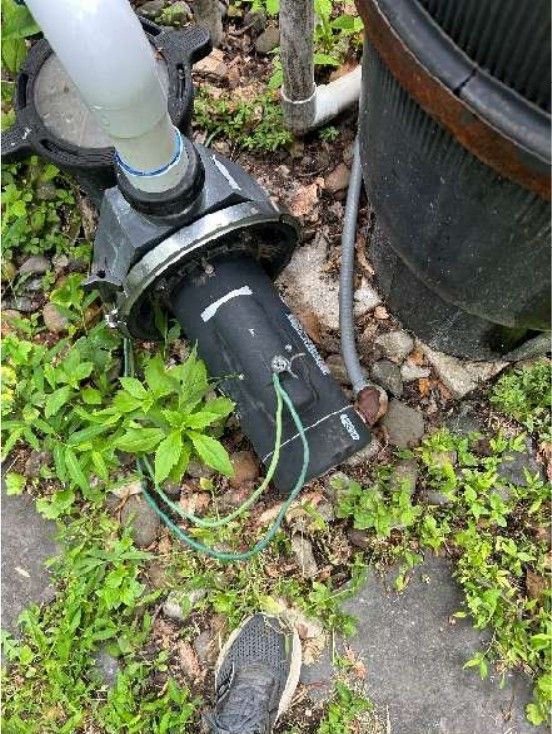
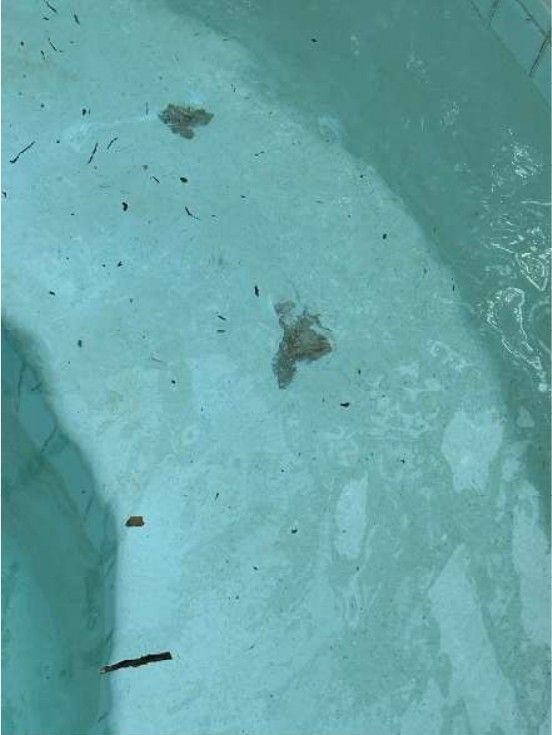
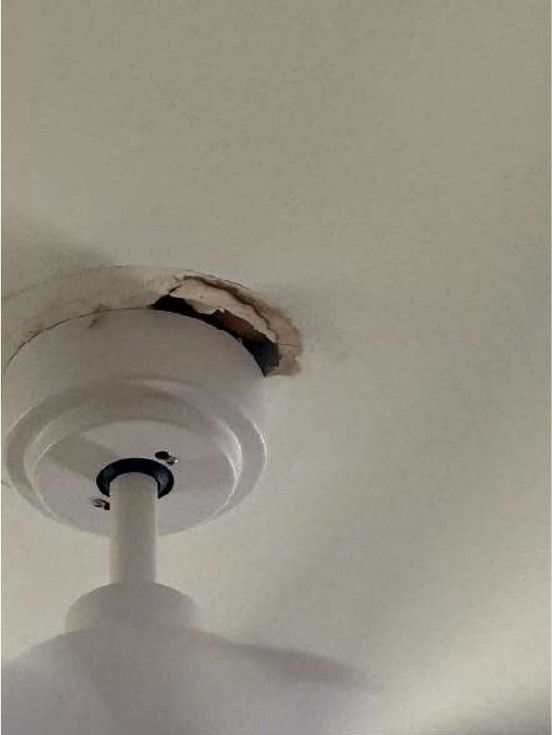
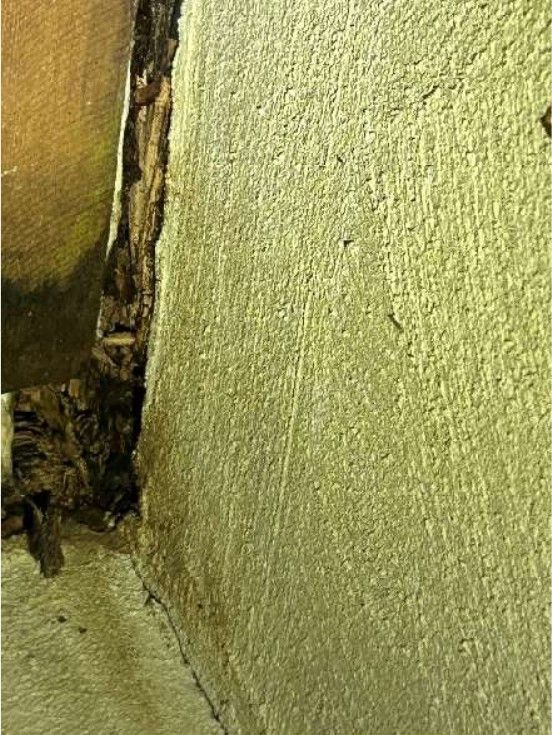
From a recent Schwenksville inspection
Real findings Bob documented on the job in Schwenksville — the detail that goes in your same-day, photo-rich report.
Why Choose Bob
Why do Schwenksville homeowners choose All Seasons?
You Always Get Bob
When you hire All Seasons, Bob personally oversees your inspection — start to finish. No corporate dispatch, no unknown inspector. You know exactly who's walking through your Schwenksville home.
InterNACHI Certified
InterNACHI Certified Professional Inspector with 20+ years of specialized expertise in Montgomery County's 1900s–1970s housing stock.
24-Hour Reports
Your detailed, photo-rich inspection report delivered the same day. No waiting — so you can make decisions within your contract timeline.
Early to mid-20th century Expertise
Bob has deep experience with 1920s–1940s construction — homes built with real craftsmanship but aging infrastructure. He knows the common failure points: clay laterals, layered electrical upgrades, oil-to-gas conversions, and plaster moisture issues that other inspectors miss.
From the Blog
What should Schwenksville homebuyers know about inspections?
Get in Touch
How do I schedule a home inspection in Schwenksville?
Same-week appointments available throughout the Philadelphia region.
Tell Us About Your Property
Bob returns every call within 24 hours. Inspections typically scheduled within the week. No spam, no email lists.
Common Questions
What are common home inspection questions in Schwenksville?
Questions buyers and sellers in Schwenksville ask us most often — answered directly.