In December 2025, I performed a mold test at an apartment in a multi-unit property in Elkins Park, in Cheltenham Township, Montgomery County. Water infiltration and suspect mold had been reported in several rooms, and my job was to confirm what it was and, more usefully, figure out where the water was coming from.
What made this one a good case study is that the mold was not in one obvious place. It showed up in the laundry closet, the kitchen, and a foyer closet, which is the pattern you see when water is tracking through the structure rather than sitting in a single spot. Here is what the test found.
1. Mold in the Wall Behind the Washing Machine
The clearest finding was in the laundry closet. Behind the washing machine, in the wall around the drain box, there was heavy dark discoloration consistent with mold growth. The laundry area is one of the most common places I find hidden mold, because a washer combines a pressurized supply hose, a drain that can leak or back up, and a warm humid environment every time it runs.
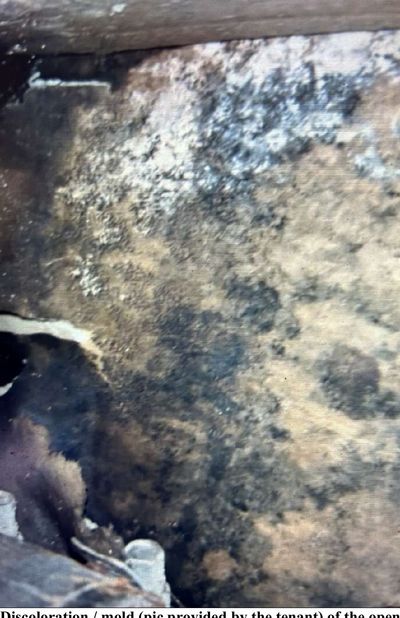
When water gets into the wall cavity behind a drain box, it soaks the drywall and framing out of sight, so the growth can be extensive before anyone notices a problem in the room. This was the likely primary source feeding the other areas.
2. Water Under the Kitchen Flooring
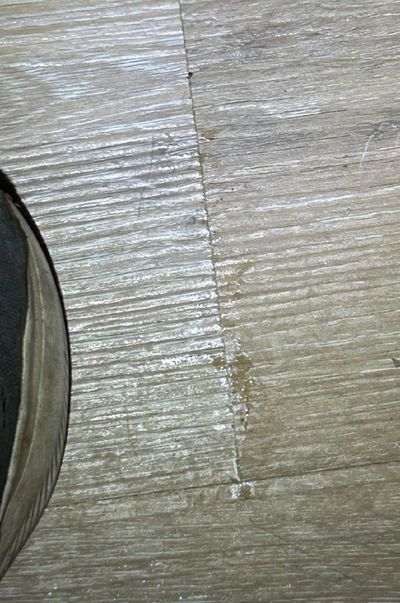
In the kitchen, there was water under the flooring. Water travels along the path of least resistance under a floor, so a leak that starts in one spot, at a dishwasher, a sink, or a wall shared with the laundry area, can show up several feet away as a soft or discolored floor.
3. Mold at the Base of the Kitchen Cabinets
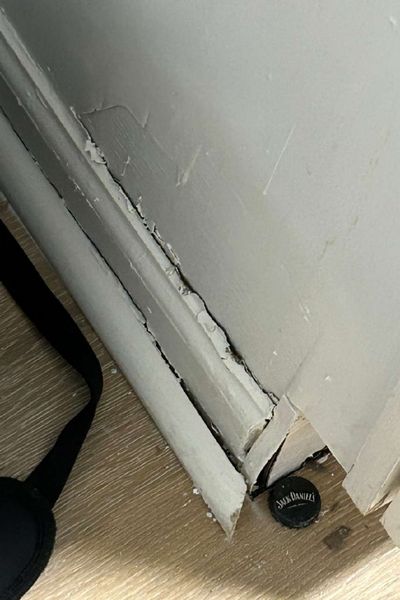
Consistent with that trapped moisture, there was discoloration and mold at the base of the kitchen cabinet molding. The bottom of a cabinet run sits right at floor level where water pools, so it is one of the first places cabinet material starts to break down and grow mold when a floor stays wet.
4. Brown Specks in the Foyer Closet
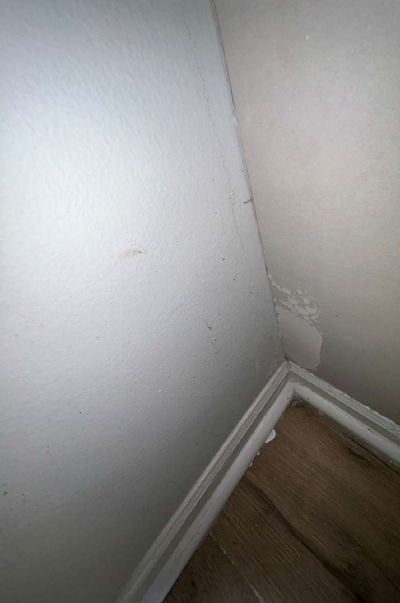
In the foyer closet, there were brown specks on the wall that appeared to be mold. Closets are quiet, poorly ventilated spaces, often against an exterior or shared wall, so they stay cooler and more humid than the rooms around them and show mold early when there is a moisture issue nearby.
5. Mold on the HVAC Central Return
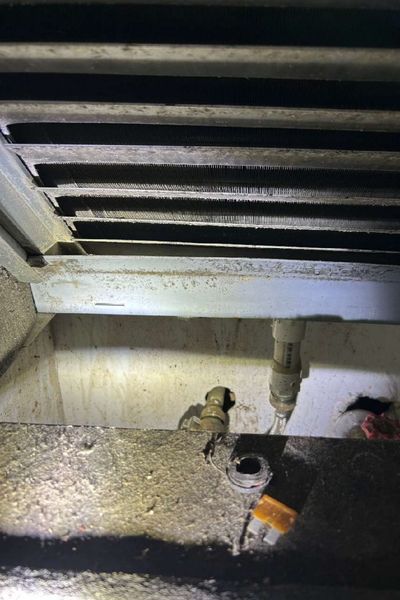
Finally, there was discoloration on the HVAC central return duct and coil. I took a surface swab of it, and the lab result confirmed that unusual mold was present. The central return matters more than a random patch of growth because it is where the system pulls air from the unit to recondition it, so growth there can move spores through the apartment whenever the system runs.
What Renters and Property Managers in Elkins Park Should Know
This test confirmed unusual mold and traced it to water infiltration reaching the laundry wall, the kitchen floor and cabinets, a foyer closet, and the HVAC return, all in one apartment. The recommendation was to have a qualified contractor evaluate and remediate the water infiltration and the mold, control humidity, keep the HVAC filter and ducts clean, maintain gutters and grading around the building, and repair any leaks within 24 hours. The EPA guidance is that mold covering more than about 10 square feet (roughly three feet by three feet) goes beyond a routine do-it-yourself cleanup.
The reason a test matters more in a rental is that it turns a disagreement into a document. A resident who reports mold and a manager who has to budget the repair both benefit from an objective, lab-backed record of where the mold is and what the moisture source appears to be. That is what moves a multi-room problem like this one from an argument to a work order. I see the same patterns in apartments and condos across Cheltenham and Jenkintown, where older multi-unit buildings and aging plumbing put the laundry, kitchen, and HVAC areas at the top of the list.
If you are dealing with mold in an apartment, condo, or multi-unit building in Elkins Park or the surrounding area, schedule a mold test with All Seasons. I personally perform every test and write a report you can actually act on.
Bob Klebanoff
Owner, All Seasons Home Inspections
610-348-6728 | Free Estimate