I recently inspected a three-story brick row home on North Lee Street in Philadelphia, in the 19123 ZIP code. The house was about 100 years old, on public water, with a gas forced-air furnace. It had been updated over the years and showed reasonably well inside.
But like most of the century-old row and twin homes out here, its story was written on the flat roof and in the basement. Here is what this inspection found, and why those two features deserve a closer look than a generic checklist gives them.
1. A Worn Flat Roof With Standing Water
The flat roof was in poor condition and near the end of its service life. The seal coat on the front roof surface was worn through, there were air pockets in sections of the back membrane, and water was standing on the back flat roof instead of draining off it. A vent stack was corroding and a conduit through the roof was improperly flashed, both of which give water more ways in.
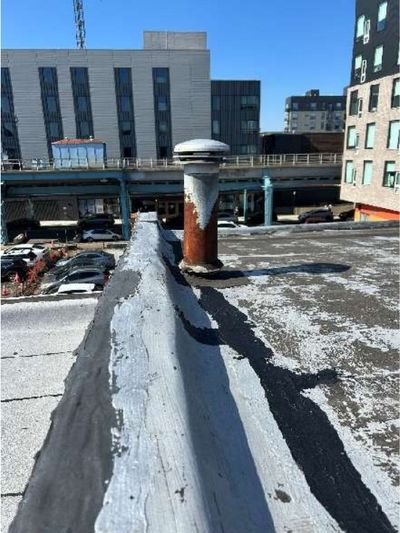
On the row and twin homes in Lawncrest and the rest of the 19111 area, the flat roof is the single most important thing to evaluate. Unlike a pitched roof, it has nowhere to shed water, so it depends entirely on the membrane and coating staying intact. There was also an improperly pitched gutter, an unsecured back downspout, and a pipe discharging into the back gutter.
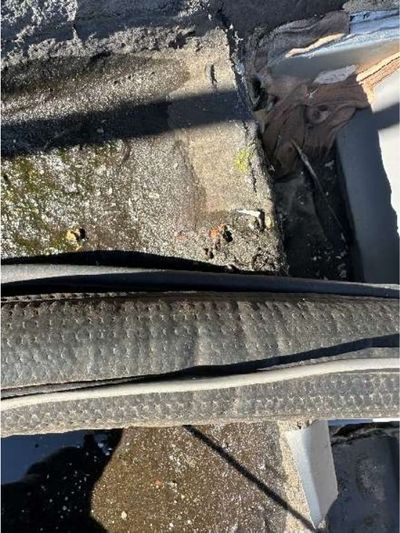
A flat roof is a budget item even in good shape, because it needs a seal coat every three to four years and eventually a full replacement. This one was documented in detail so the buyer could price the roofing work before closing rather than meet it during the first hard rain.
2. Active Water Infiltration and Shifted Foundation Brick in the Basement
The basement showed a clear water history. The base of one wall measured wet with a moisture meter, there was moisture behind the wall, and there was active water infiltration in the basement. An abandoned sump pump was sitting in the access panel, and the foundation had open brick joints with shifted bricks at the top, along with open stone joints and shifted stone in the front wall.
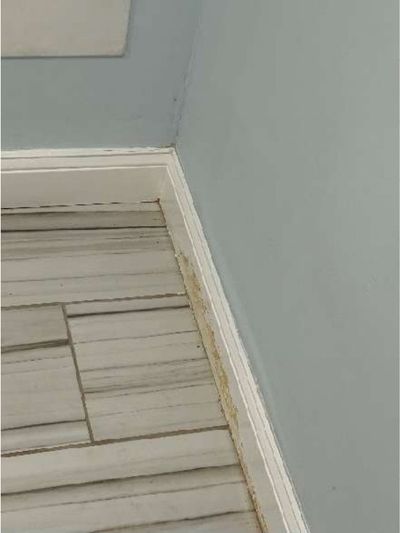
Older homes in Lawncrest sit tight against their neighbors, and the grade often slopes toward the house, so basement water is common and usually manageable. What is not acceptable is not knowing about it. Standing water and damp masonry are also a mold-causing condition, so where the moisture is chronic, air sampling is the correct next step. All of it was written down so the buyer could plan drainage, repointing, and testing instead of discovering it after move-in.
3. A Corroded Water Heater With an Open Flue Gap
The gas water heater was corroded on the bottom and at the end of its 10 to 15 year design life. More important than the corrosion, there was an open gap where the water heater flue connects to the vertical chimney.
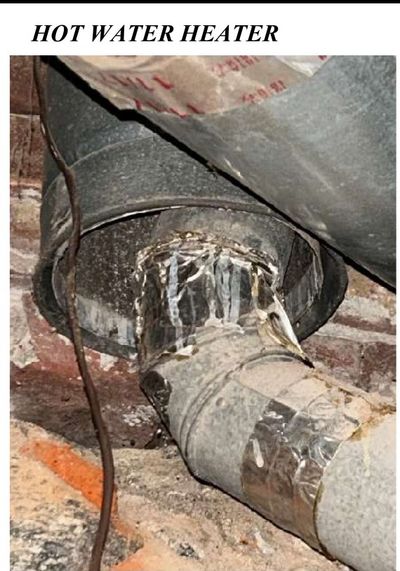
An open flue connection is a safety concern, not a cosmetic one, because combustion gases including carbon monoxide can spill into the basement instead of venting up the chimney. On these older Northeast Philadelphia homes with shared masonry chimneys, the flue connection is exactly the kind of detail a fast checklist walks past. It was flagged for a qualified contractor, and I recommended carbon monoxide detectors on every level of the home.
4. A Heater Discharge Vent by the Back Door
The heating system had a discharge vent terminating right by the back entry door, in the narrow chase where people walk in and out. I flagged it as a safety hazard.
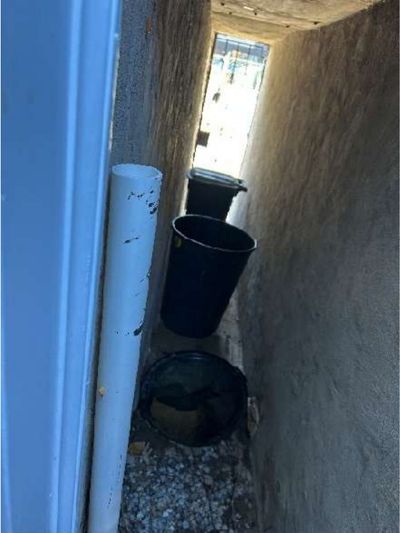
Row and twin homes in Northeast Philadelphia have very little side yard, so vents and discharge lines get routed into whatever narrow space is available, and that is exactly where they can end up in the wrong spot. Small routing details like this are easy to miss and they matter for the health of the people living there. It was written up for correction before settlement.
5. Ungrounded Outlets, Dead Receptacles, and a Meter Bypass
The electrical system had a list of safety items. Several receptacles had no power, there were non-grounded three-prong outlets, a loose washing machine receptacle, a missing cover plate on the dryer receptacle, and a jumper bypassing the meter on the grounding path. Missing GFCI protection near water was also noted.
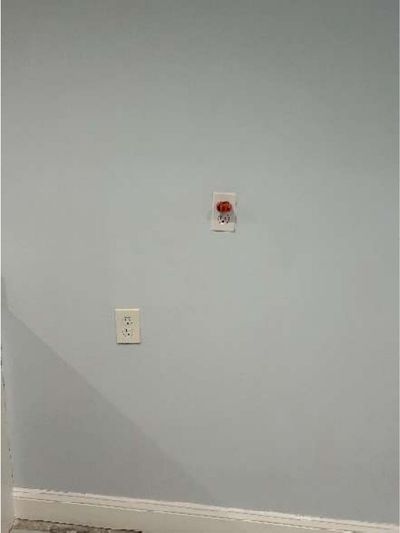
An ungrounded three-prong outlet is deceptive because it looks modern and accepts a grounded plug while offering no actual protection. In older Northeast Philadelphia homes that have been updated in pieces over the decades, this is one of the most common things I find, and it is not something a buyer can catch by plugging in a lamp. Each location was documented, and a qualified electrician was recommended for the corrections, with GFCI protection added near water.
6. Old Termite Shelter Tubes in the Floor Joists
In the front basement ceiling joists there were old termite shelter tubes and evidence of a prior termite treatment. Shelter tubes are the pencil-width mud tunnels termites build to travel from the soil up into the wood.
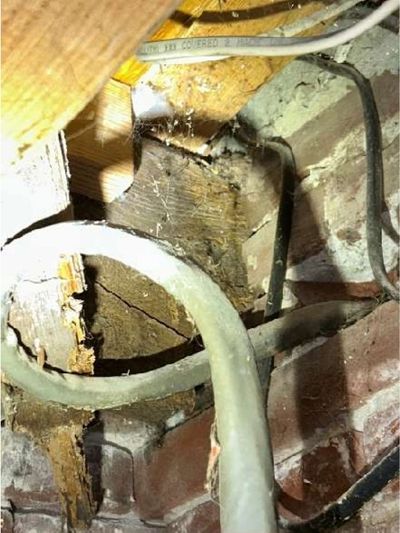
Row homes in this part of Northeast Philadelphia sit on soil-contact masonry with wood framing bearing right at the foundation, which is prime territory for wood-destroying insects. Old shelter tubes are not a deal-breaker, but they are a paper trail you want in hand. I recommended the buyer get all the treatment and warranty documentation from the seller and have the framing evaluated.
7. A Cracked, Settled Sidewalk Over the Main Waste Drain
Out front, the sidewalk had a cracked and settled section, and it sat directly above the main waste drain. A deteriorated front landing added to the picture.
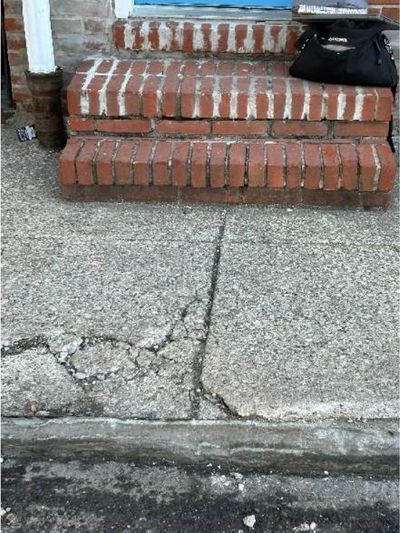
Settlement directly over a drain line can be a clue that the pipe underneath is leaking and washing out the soil that supports the concrete. You cannot confirm that from the surface, which is why I recommended a qualified contractor run a camera through the main waste drain. On older Philadelphia row homes with clay or cast-iron laterals, a failing drain line is a real and expensive possibility, and a camera scope is a cheap way to know before you own it.
What Buyers Should Expect From Home Inspections in Lawncrest and Northeast Philadelphia
This inspection found a worn flat roof, a wet basement with shifted foundation brick, a corroded and poorly vented water heater, a misrouted heater vent, a list of electrical safety items, old termite tubes, and a settled sidewalk over the main drain, on a home that showed reasonably well inside. That is not a bad house. It is a normal 100-year-old Lawncrest row home, and the findings were the ordinary mix of age and uneven updating you expect at this age.
What makes an inspection out here different is the flat roof and the basement. The century-old brick homes in the 19111 blocks of Northeast Philadelphia live and die by their flat roofs and their below-grade masonry, and those are exactly the systems a generic checklist tends to rush past. Knowing to walk the flat roof for ponding, and knowing to read the foundation and the water heater flue, comes from having inspected a lot of homes in this specific market.
If you are buying a home in Lawncrest or the surrounding Northeast Philadelphia neighborhoods, schedule an inspection with All Seasons. I personally perform every inspection, and I know the flat-roof-and-basement row homes out here.
Bob Klebanoff
Owner, All Seasons Home Inspections
610-348-6728 | Free Estimate
Home Inspections in Northeast Philadelphia and the Surrounding Area:
Northeast Philadelphia Philadelphia