In July 2026, I inspected a pre-World War II two-story detached home on Center Avenue in Willow Grove, in Upper Moreland Township, Montgomery County. It is a classic house for the area: covered front porch, stucco-over-block foundation, and a detached masonry garage out back. It showed well from the street.
But a pre-war house carries a specific set of hidden hazards, and this one had most of them. Here is what the inspection found, and why the age of the housing stock around Willow Grove means these are exactly the systems that deserve a closer look than a generic checklist gives them.
1. Knob-and-Tube Wiring and Open Junction Boxes in the Basement
The basement had sections of original knob-and-tube wiring still in service, along with unsecured branch wiring and open junction boxes with exposed splices. Knob-and-tube is the original wiring method in homes of this era, and on its own it is not an emergency. The problems come from age and from decades of amateur modifications spliced into it.
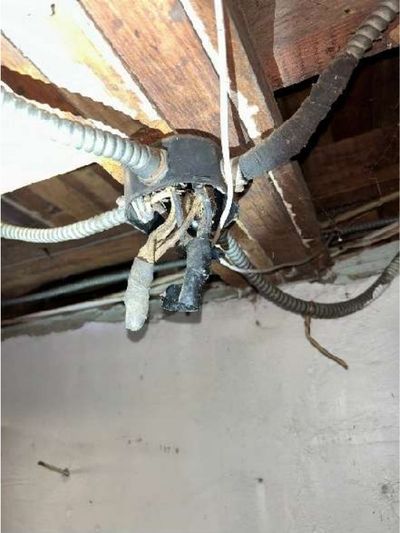
The original knob-and-tube system has no ground conductor and its cloth and rubber insulation gets brittle over the years. Add open junction boxes and unsecured branch runs and you have a system that needs a licensed electrician to evaluate. It also matters for the sale itself, because many insurers ask about knob-and-tube before they will write a policy. Every location was documented so the buyer knew exactly what the electrical system needed.
2. Asbestos Duct Wrap on the Basement Heating Ducts
Sections of the basement heating ducts were covered with wrap consistent with asbestos-type insulation. This is one of the most common asbestos-era materials in a pre-war home, along with old pipe and boiler insulation.
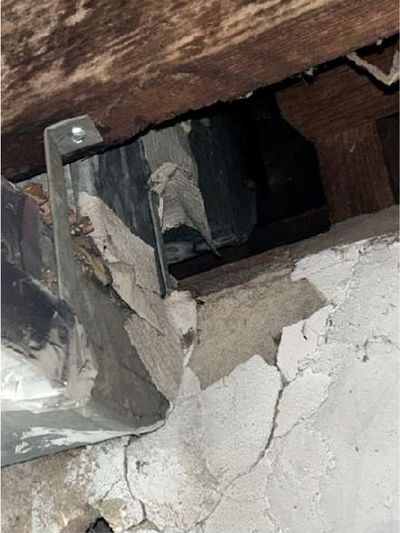
A home inspection flags materials consistent with asbestos, but it does not sample or test them, because confirming asbestos requires a certified lab. Asbestos that is intact and undisturbed is generally monitored in place. The danger is when it gets cut, damaged, or disturbed and fibers go airborne. The right step is to have it evaluated by a licensed abatement professional before any renovation or duct work, and never to tear into it yourself.
3. Active Termite Shelter Tubes on the Joists and a Window Lintel
The basement had active termite shelter tubes, the pencil-width mud tunnels subterranean termites build to travel from the soil up into the wood. There were tubes on the ceiling joists and on a window lintel. Active tubes mean a live infestation, not just old damage.
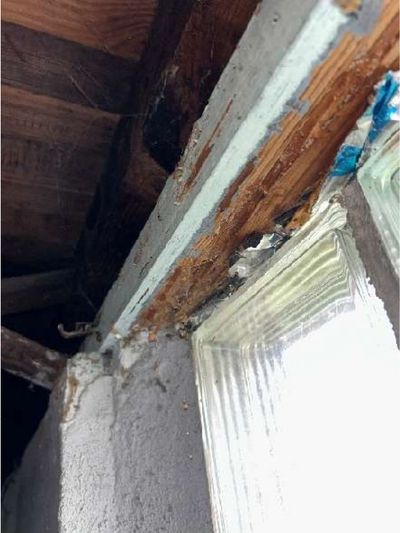
Active termite activity calls for a licensed pest control company to treat the property and a closer look at the framing to gauge the extent of the damage. In the older homes around Willow Grove and Hatboro, wood-destroying insects are one of the most important things to catch, because the age of the framing is exactly what they target. It is far cheaper to negotiate treatment and repairs before closing than to discover them after.
4. Mice Droppings in the Basement and Inside the Electrical Panel
There were mice droppings in the basement and, more concerning, inside the electrical panel. That is both a health hazard and an electrical one.
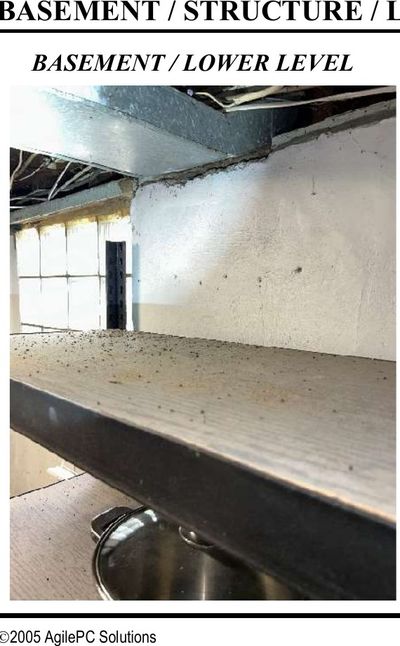
Droppings carry bacteria and are a health hazard for anyone working in the space, especially inside a panel. On top of that, mice chew wiring insulation, which creates a fire and shock risk right where the home's power is distributed. The finding calls for professional rodent exclusion and cleanup, sealing the entry points, and having an electrician check the panel wiring for chew damage. It is also the kind of thing an inspector only finds by actually removing the panel cover.
5. A Corroded Chimney and Venting System
The chimney and venting had a stack of related problems. The liner was missing its weather cap, the chimney seams were corroded, there was corroded debris in the cleanout, the chimney base was damaged, and there was masonry debris around the chimney in the attic.
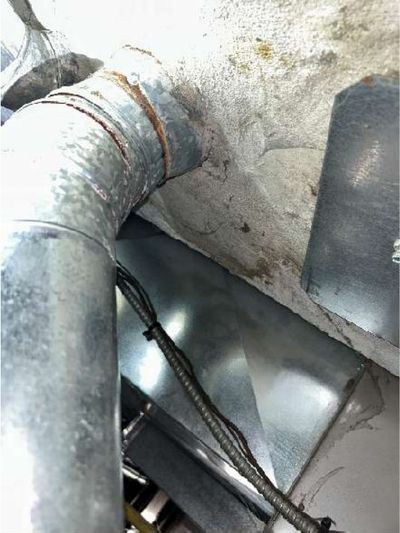
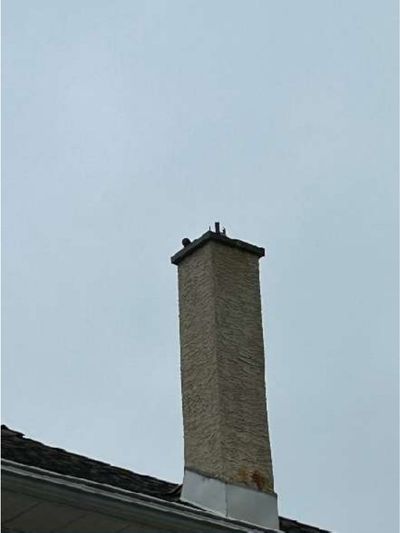
These findings connect to each other. A missing weather cap lets rain and debris straight into the flue, which corrodes the seams and fills the cleanout, while a damaged chimney base and loose masonry in the attic point to a system that has been taking water for a long time. A corroded, uncapped venting system is a combustion-safety concern, so it was flagged for evaluation and repair by a qualified chimney contractor before the heating system is relied on.
6. A Deteriorated Detached Garage and an Unsecured Service Entrance Cable
The detached masonry garage out back was in poor shape, with rot and deterioration in the walls and a cracked, settled floor. Separately, the electrical service entrance cable on the home was not secured properly.
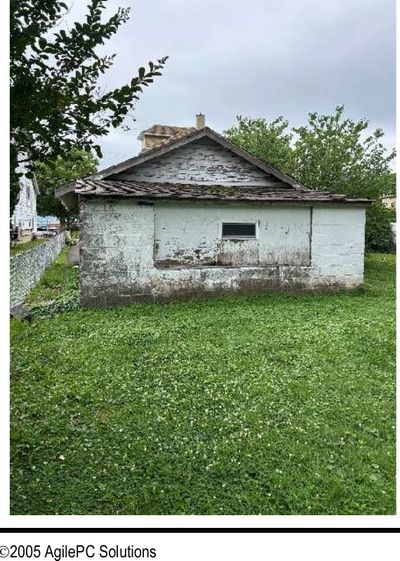
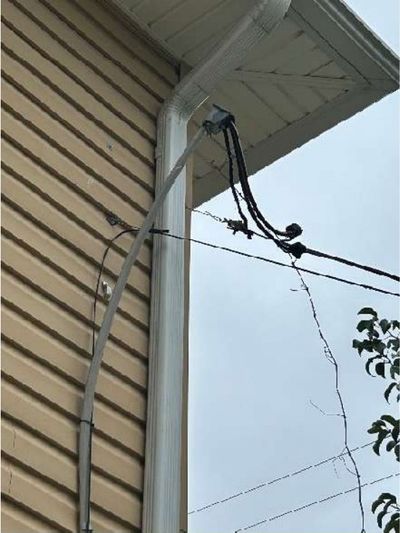
A detached garage with wall rot and a settled floor is a structural and budgeting question the buyer should walk into with eyes open, and the unsecured service entrance cable is a straightforward safety fix for a licensed electrician. Neither is a reason to walk away from a house like this. They are line items to document, price out, and account for.
What Buyers Should Expect From Home Inspections in Willow Grove and Upper Moreland
This inspection found knob-and-tube wiring, asbestos duct wrap, active termites, mice in the electrical panel, a corroded chimney, and a failing detached garage, on a house that looked good from the sidewalk. That is not a bad house. It is a normal pre-war Willow Grove house, and its findings are the age-related hazards you should expect to look for in housing stock of this era.
What makes an inspection out here different is knowing that combination is coming. Buyers new to Abington, Willow Grove, and Upper Moreland are often seeing knob-and-tube wiring, asbestos-era materials, and subterranean termite tubes for the first time, and those are exactly the things a generic checklist rushes past. Knowing to open the panel, trace the old wiring, look up into the joist bays, and get on the roof comes from having inspected a lot of homes in this specific market.
If you are buying a home in Willow Grove or the surrounding Montgomery County communities, schedule an inspection with All Seasons. I personally perform every inspection, and I know the pre-war homes out here.
Bob Klebanoff
Owner, All Seasons Home Inspections
610-348-6728 | Free Estimate
Home Inspections in Willow Grove and the Surrounding Area:
Willow Grove Abington Hatboro Horsham Jenkintown