Professional Home Inspection in Fishtown, Philadelphia
InterNACHI-certified home inspection serving Fishtown and all of Philadelphia County. Bob personally inspects every major system — structure, roof, electrical, plumbing, HVAC, foundation, and exterior envelope — against ASHI and InterNACHI standards. Full 24-hour photo-documented report. 4.9★, 178 Google reviews.
Inspections typically scheduled within the week. Bob returns every call and books your date within 24 hours.
Fishtown, Philadelphia County
What does a home inspection in Fishtown include?
A home inspection in Fishtown, Philadelphia, PA is a top-to-bottom evaluation of a single property -- foundation, structure, roof, electrical, plumbing, HVAC, and exterior envelope -- performed in person by Bob against ASHI and InterNACHI standards, with a full photo-documented digital report delivered inside 24 hours.
Packed between the Delaware River waterfront and the elevated Market-Frankford Line, Fishtown has spent the last two decades becoming one of Philadelphia's most talked-about neighborhoods -- yet the bones beneath the coffee shops and galleries along Frankford Avenue corridor are almost entirely late Victorian and Edwardian rowhouse stock. Walk Palmer Street, Memphis Street, or Trenton Avenue corridor and you will find block after block of two-story and three-story brick rowhouses built between the 1880s and the 1920s, many sitting directly on rubble-stone foundations laid before the automobile existed. The neighborhood radiates outward from the intersection of Girard Avenue and Frankford Avenue -- the commercial spine where the SEPTA Route 15 trolley still runs -- and it borders the East Kensington enclave to the north, Norris Square to the northwest, and Northern Liberties to the south, with the Penn Treaty Park waterfront marking its eastern edge. The Market-Frankford El stops at Berks Station and Girard Station funnel commuter traffic through a neighborhood that was, until recently, almost entirely working-class rowhouse fabric. That original construction era matters enormously for any buyer walking into a purchase agreement today. Homes built before 1920 were constructed under standards -- and with materials -- that are now well over a century old. Lime-mortar rubble foundations were never designed for modern drainage expectations. Knob-and-tube wiring predates every current electrical code by decades. Original clay sewer laterals running beneath these streets were installed before the city understood root intrusion. A buyer who skips a thorough inspection, or hires an inspector unfamiliar with this era, may close on a property carrying serious deferred maintenance disguised by fresh paint and a renovated kitchen.
What strikes me most about Fishtown inspections is the sheer variety packed into a single block -- I will inspect a 135-year-old rowhouse on Memphis Street in the morning and an 8-year-old new-construction condo conversion three lots down in the afternoon, and the two properties could not be more different in their risk profile. On the majority of 1880s-1930s Fishtown homes Bob inspects, he actively looks for three issues that appear again and again: first, knob-and-tube wiring that is still energized and, in many cases, has had blown-in insulation packed directly over it -- a fire hazard that is invisible without opening walls but that Bob evaluates through panel markings, attic access, and outlet testing; second, stone foundation moisture intrusion where lime mortar joints have eroded over a century of wet Philadelphia winters, allowing ground water to seep into basement walls at the base course; and third, original clay sewer laterals beneath the Frankford Avenue corridor and side streets that have collected root intrusion and developed bellied sections over 80 to 100 years of settling ground. These three findings alone account for the majority of post-closing surprises I see buyers encounter on Fishtown rowhouses, and all three are identifiable during a thorough inspection. Fishtown also sits directly adjacent to the Northern Liberties market, so buyers who are cross-shopping should read up on my Northern Liberties inspection page as well -- the housing stock shares many of the same era-specific characteristics. Bob encourages every client to attend the inspection in person -- he walks you through every finding in real time, explains what matters and what is cosmetic, and answers every question before you are asked to sign anything. Call 610-348-6728 to schedule.
What does Bob check during a Fishtown home inspection?
Bob approaches every Fishtown inspection per ASHI and InterNACHI Standards of Practice. With 1880s–1930s housing stock dominant in Fishtown, he focuses on the era-specific concerns that affect late 19th and early 20th century construction in Philadelphia County.
Stone & Rubble Foundations
Pre-1920 homes commonly have stone or rubble foundations with lime mortar joints that deteriorate over a century of exposure. Bob checks for shifting stones, mortar erosion, water seepage pathways, and structural settlement that can indicate foundation movement requiring professional stabilization.
Knob-and-Tube Wiring & Gas Pipe Conversions
Original knob-and-tube wiring is one of the most critical findings in pre-1920 homes — especially when insulation has been blown over active K&T, creating a fire hazard. Bob also evaluates gas pipe conversions from original coal or oil systems, checking for visible defects and venting problems.
Original Slate Roofs & Historic Exteriors
Many pre-1920 homes retain original slate or clay tile roofs that, while durable, require specialized maintenance. Bob inspects for cracked or missing slates, deteriorating flashing, and aging copper gutters — plus original wood siding, decorative trim, and masonry that may show a century of weathering.
Lead Paint, Plaster Walls & Coal Chute Remnants
Original plaster-and-lath walls, lead paint on trim and windows, and sealed coal chute openings are hallmarks of pre-1920 construction. Bob documents these conditions and evaluates whether past renovations addressed or inadvertently worsened historical hazards.
Because so much of Fishtown's housing stock predates 1940, original wiring is a recurring finding here. Bob wrote a detailed field guide on knob-and-tube wiring in Philadelphia-area homes — how to identify it, when it is genuinely hazardous, and what insurers require.
What are common issues in Fishtown homes?
Based on 20+ years inspecting late 19th and early 20th century homes in Philadelphia County, these are the issues Bob finds most often in Fishtown's 1880s–1930s housing stock:
- Knob-and-tube wiring still energized behind walls and under blown insulation
- Stone foundation moisture intrusion and mortar joint deterioration
- Lead paint on original trim, windows, and exterior surfaces
- Gas pipe conversions from original coal or oil systems with improper venting
- Original clay sewer laterals with root intrusion and bellied sections
- Aging slate or clay tile roofs with deteriorating flashing
Ready to schedule your Fishtown inspection?
Inspections typically scheduled within the week. Bob returns every call and books your date within 24 hours.
Also Available: Mold Testing & Air Quality in Fishtown
In addition to home inspections, Bob provides professional mold testing and air quality analysis for Fishtown properties. PRO-LAB certified lab results starting from $290.
Learn About Mold Testing in FishtownSchedule Your Home Inspection in Fishtown
Same-week appointments available. Bob personally performs every inspection — you always know who's walking through your home.
610-348-67287 days, 7am–midnight • Urgent pre-closing available
Get a Free Estimate See a Sample ReportInspection Services in Fishtown
- Residential Home Inspection
- Pre-Listing Inspection
- New Construction Inspection
- 11-Month Warranty Inspection
- WDI / Termite Inspection
- Radon Testing
Pricing for Fishtown
Every home is different. Call Bob for your specific quote — he'll give you an honest number on the spot.
See Full Pricing Details →More Fishtown Pages
Nearby Areas Also Served
From the Field
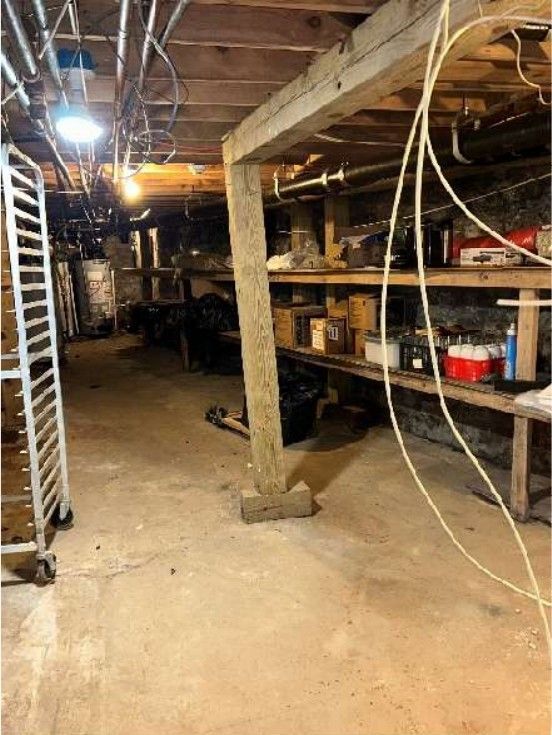
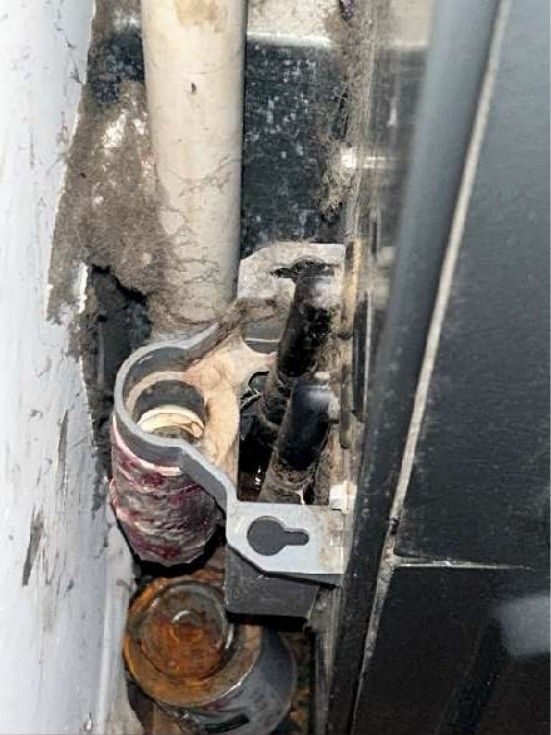
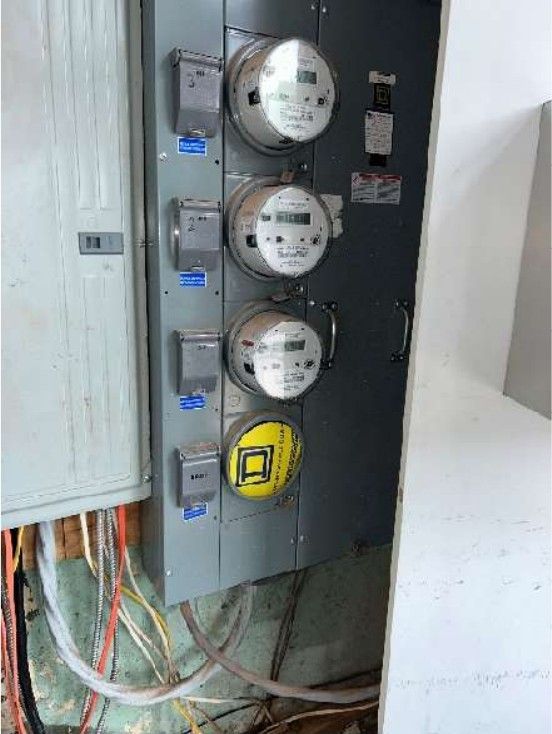
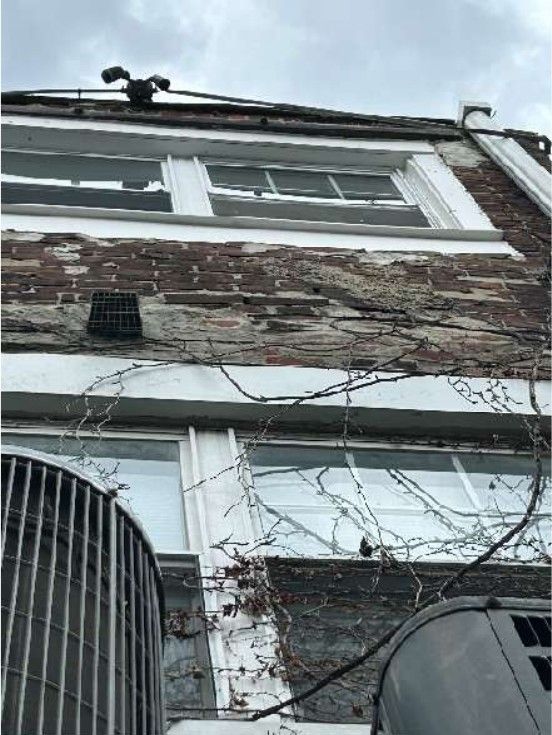
From a recent Fishtown inspection
Real findings Bob documented on the job in Fishtown — the detail that goes in your photo-rich report, delivered within 24 hours.
Why Choose Bob
Why do Fishtown homeowners choose All Seasons?
You Always Get Bob
When you hire All Seasons, Bob personally performs your inspection — start to finish. No corporate dispatch, no unknown inspector. You know exactly who's walking through your Fishtown home.
InterNACHI Certified
InterNACHI Certified Professional Inspector with 20+ years of specialized expertise in Philadelphia County's 1880s–1930s housing stock.
24-Hour Reports
Your detailed, photo-rich inspection report delivered within 24 hours. No waiting — so you can make decisions within your contract timeline.
Late 19th and early 20th century Expertise
Bob has inspected pre-1920 homes across the Philadelphia region for more than 20 years and understands their unique construction — from rubble stone foundations to knob-and-tube wiring to original slate roofs. He knows where these homes hide problems and what's normal aging versus what needs immediate attention.
From the Blog
What should Fishtown homebuyers know about inspections?
Get in Touch
How do I schedule a home inspection in Fishtown?
Same-week appointments available throughout the Philadelphia region.
Tell Us About Your Property
Bob returns every call and books your date within 24 hours. Inspections typically scheduled within the week. No spam, no email lists.
Common Questions
What are common home inspection questions in Fishtown?
Questions buyers and sellers in Fishtown ask us most often — answered directly.