Mold Inspection & Testing in Aston, PA
All Seasons provides professional mold inspection and testing in Aston, Delaware County, PA. PRO-LAB certified lab results in 2-3 days with clear interpretation. Owner-operator Bob personally collects every sample — 20+ years experience, no conflict of interest. Starting from $290. Call 610-348-6728 for a free estimate.
Aston, Delaware County, PA
How does mold testing work in Aston?
Aston Township sits in southwestern Delaware County, an inland community of roughly six square miles between Philadelphia and Wilmington where Chester Creek forms the eastern border and the East and West Branches of that creek come together within the township itself before the water runs southeast toward the Delaware River. Aston is not a riverfront town. It sits up at a couple hundred feet of elevation on rolling ground drained by Chester Creek and a portion of Marcus Hook Creek, and that drainage pattern, rather than tidal flooding, is what drives most of the moisture problems I find here. The housing tells a clear story. Aston was farm and mill country until the population nearly doubled between 1950 and 1960 and kept climbing through the 1960s and 1970s, which means the bulk of the homes lining Pennell Road, Concord Road, Mount Road, and the side streets through Green Ridge, Village Green, and the developments off Bridgewater Road are postwar split-levels, ranches, and brick-and-frame colonials built on block or poured foundations. That mid-century suburban stock carries its own moisture signature. Split-levels and bi-levels put finished or partially finished living space half below grade, where block foundation walls sit against soil that holds water long after a storm. Crawl spaces under additions and lower wings are common in this era and are often the single wettest part of the house, with bare earth floors, no vapor barrier, and almost no air movement. Homes built on the slopes that fall toward Chester Creek and its tributaries take on groundwater pressure against the uphill foundation wall every wet season. On top of that, the older village pockets around Crozerville, Aston Mills, and the mill sites along the creek include genuinely old housing with stone foundations and damp lower levels that predate the suburban boom by decades. Clay sewer laterals running out to the township mains under mature trees have spent fifty and sixty years accumulating root intrusion, and a bellied or root-choked lateral that backs up under a slab introduces organic moisture that feeds mold quietly. Add the oil-to-gas furnace conversions that swept this housing stock and the chimney condensation those conversions often left behind, and you have a community where mold rarely announces itself but frequently has somewhere to grow.
In Aston, the pattern I see most often is in the split-levels and ranches built between the early 1950s and the mid-1970s, where the lower level sits half below grade against a block foundation and the homeowner has no idea the wall is cycling moisture because the space looks finished and dry. The moisture does not show up as a puddle. It shows up as elevated humidity readings on the below-grade walls, in the paper facing of drywall that someone hung over block in a 1980s basement remodel, and in the spore counts on air samples pulled from that lower level. Crawl spaces under the additions are the other consistent finding, often with bare soil and standing dampness that the rest of the house never sees. My process does not change with the address. I take calibrated air samples from every area of concern, basement, crawl space, lower level, and any room with a history or a smell, and I collect an outdoor control sample the same day so the lab has a real baseline to compare against instead of guessing what normal looks like for that property. Everything goes to a PRO-LAB certified laboratory and results come back in 2-3 business days, and I read every report myself before I hand it over so you get a plain explanation of what was found rather than a page of numbers. Because I do not do remediation, nothing in my findings is shaded by an interest in selling you a cleanup. If you are buying on the slopes that drop toward Chester Creek or in one of the older village pockets near the mill sites, that geography shapes where I sample. I serve Aston alongside neighboring communities including Brookhaven. Call 610-348-6728 to schedule.
Why are Aston's 1950s–1970s homes at risk for mold?
The split-level and bi-level designs popular from the 1960s–1980s create specific mold risks, particularly in below-grade family rooms, attached garages, and areas where early insulation traps moisture against foundation walls.
Below-grade family rooms with carpet over concrete slab — trapping moisture underneath
Split-level design transitions where water infiltrates at grade-level changes
Early insulation pressed against foundation walls without vapor barriers
Undersized ductwork creating condensation in humid summer conditions
How does Bob test for mold in Aston?
Bob follows a systematic approach calibrated to the specific risks of late mid-century and early modern construction in Delaware County. All sampling protocols follow EPA mold testing guidelines:
Indoor Air Quality Sampling
Bob collects air samples from areas of concern and compares them against outdoor baseline readings. This comparison reveals whether indoor mold levels are elevated beyond what's normal for the environment.
PRO-LAB Certified Lab Analysis
All samples go to a PRO-LAB certified laboratory — the gold standard in environmental testing. Results return in 2-3 business days with a full written interpretation.
Clear Results & Honest Recommendations
Bob walks you through exactly what the lab results mean — no jargon, no panic. If remediation is needed, he'll explain what's involved so you can make informed decisions.
What are common issues in Aston homes?
Based on 20+ years testing late mid-century and early modern homes in Delaware County, these are the issues Bob finds most often:
- Aluminum wiring at outlets and switches creating fire risk at connection points
- Polybutylene plumbing (gray plastic pipe) prone to sudden catastrophic failure
- Federal Pacific or Zinsco electrical panels with breakers that fail to trip
- Below-grade family room moisture from carpet-over-concrete installations
- Undersized HVAC ductwork causing poor airflow and humidity problems
- Inadequate insulation by modern energy standards
Also Available: Home Inspection in Aston
In addition to mold testing, Bob provides comprehensive home inspections for Aston properties. InterNACHI certified, starting from $325.
Learn About Home Inspection in AstonSchedule Mold Testing in Aston
Same-week appointments available. Bob personally oversees every sample — you always know who's in your home.
610-348-6728Mon–Sat, 7am–7pm
Get a Free EstimateServices Available in Aston
- Air Sampling
- Surface / Bulk Sampling
- Visual Mold Assessment
- Pre / Post-Remediation Testing
Mold Testing Pricing
Every property is different. Call Bob for your specific quote — he'll give you an honest number on the spot.
See Full Pricing Details →More Aston Pages
Nearby Areas Also Served
Aston is one of the Delaware County communities Bob covers. For the wider picture of how mold testing works across the county, the moisture patterns that repeat here, and every town served, see Mold testing in Delaware County.
From the Field
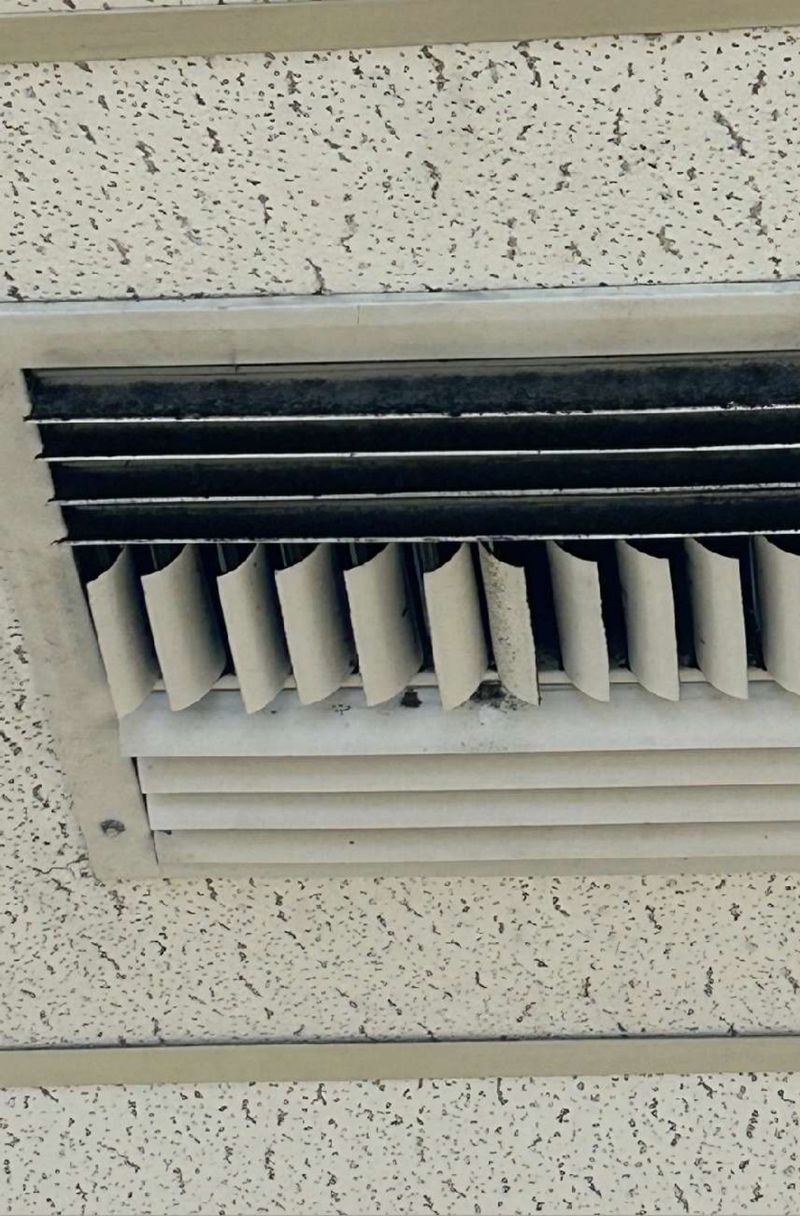
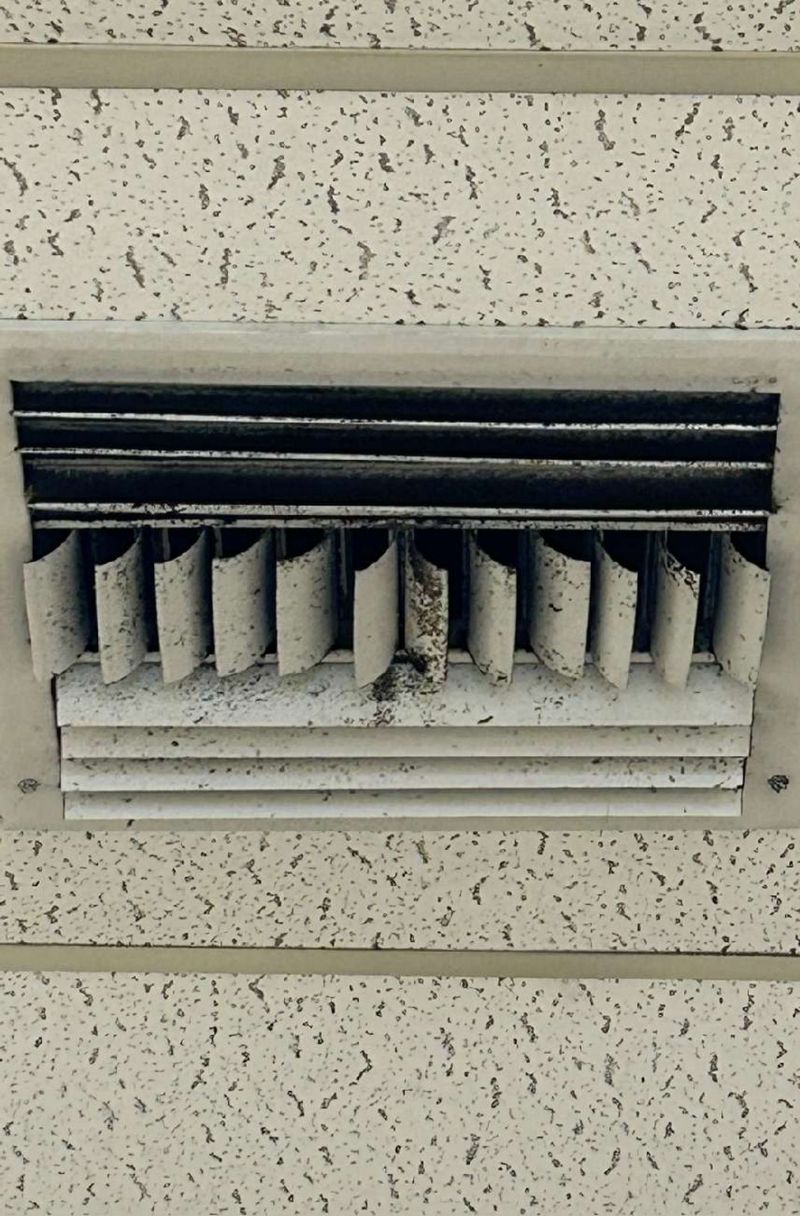
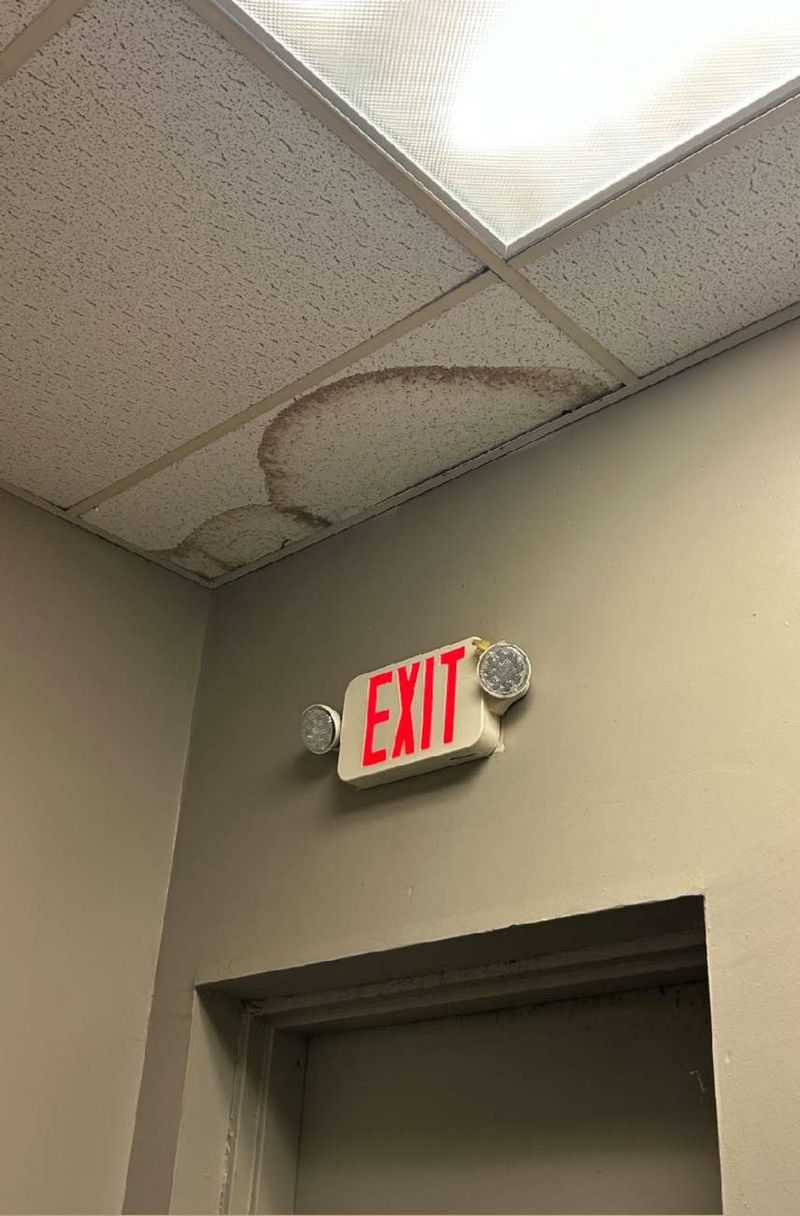
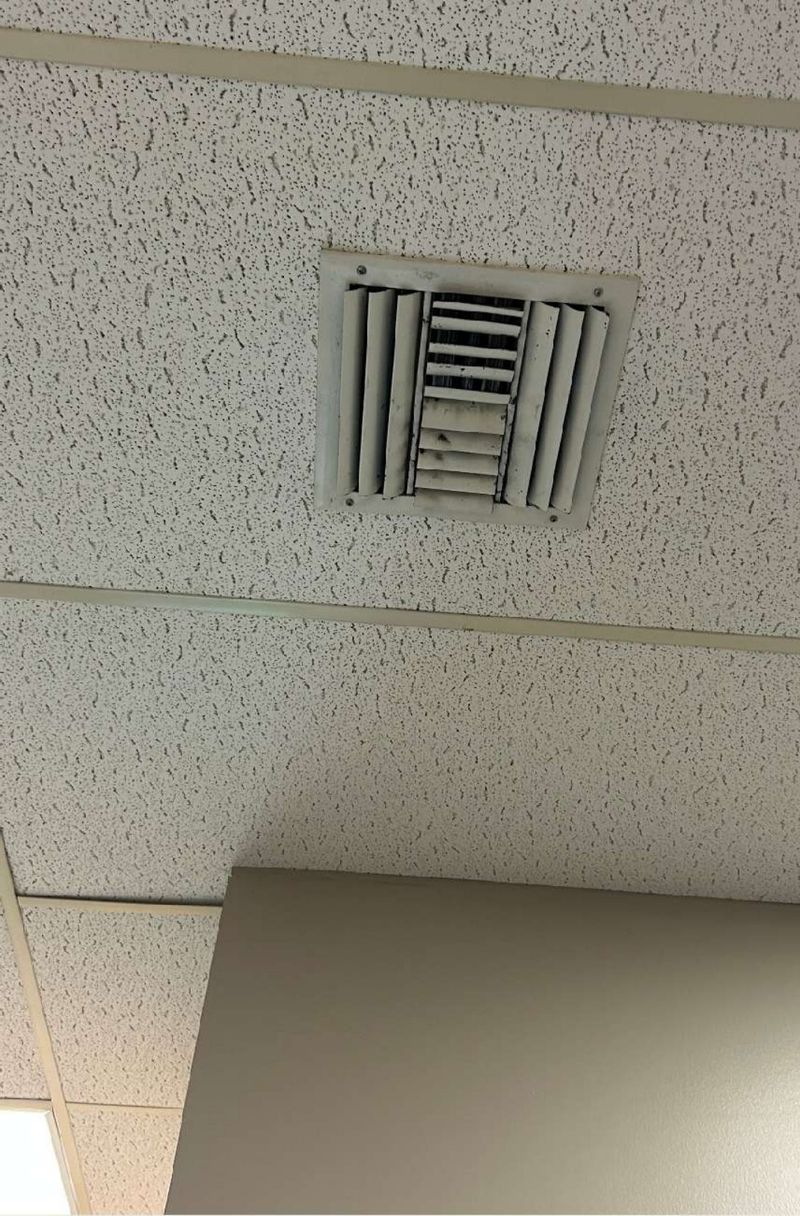
From a recent Aston inspection
Real findings Bob documented on the job in Aston — the detail that goes in your same-day, photo-rich report.
Why Choose Bob
Why choose All Seasons for mold testing in Aston?
You Always Get Bob
Bob personally oversees every sample — no subcontractors, no unknown technicians. You know exactly who's in your Aston home.
PRO-LAB Certified Lab
Every sample is analyzed by a PRO-LAB certified laboratory — the gold standard in environmental testing. You get real science, not guesswork.
No Conflict of Interest
All Seasons tests and reports — we never perform remediation. Every finding is completely objective. Bob's only job is giving you the truth about your home's air.
Late mid-century and early modern Expertise
Bob knows the specific failure points of 1960s–1980s construction — aluminum wiring connections, polybutylene plumbing, FPE panels, and the split-level moisture traps that define this era. He's seen how these homes age and knows which issues are cosmetic and which are safety concerns.
From the Blog
What should Aston homeowners know about mold?
Get in Touch
How do I schedule a mold test in Aston?
Same-week appointments available throughout the Philadelphia region.
Tell Us About Your Property
Bob returns every call within 24 hours. Inspections typically scheduled within the week. No spam, no email lists.
Common Questions
What are common mold testing questions in Aston?
Common questions about mold testing in Aston — answered directly.