In late June 2026, I was called out to a home on Lyntree Drive in West Chester, in Chester County. The reason for the call was direct: someone had a severe allergic reaction the moment they walked into the house. Not a slow build over hours, but a reaction at the door. The living space itself looked clean and well kept, which is exactly the situation that makes people doubt themselves. If the rooms look fine, where is the reaction coming from?
When a house presents well but people react hard inside it, I go straight to the one system that touches every room: the heating and cooling equipment and the ductwork. The air handler is dark and damp, the ducts run to every register in the house, and whatever grows in there gets pushed through the whole home every time the system cycles. Here is what the testing found, and why sampling the air handler and the ducts matters when the house looks clean.
1. Water Stains in Multiple Rooms and a Damp Garage Ceiling
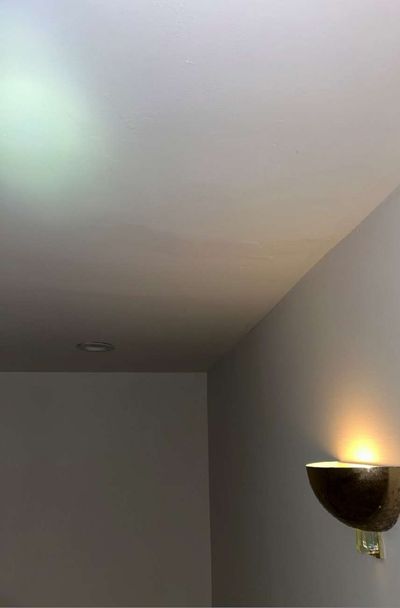
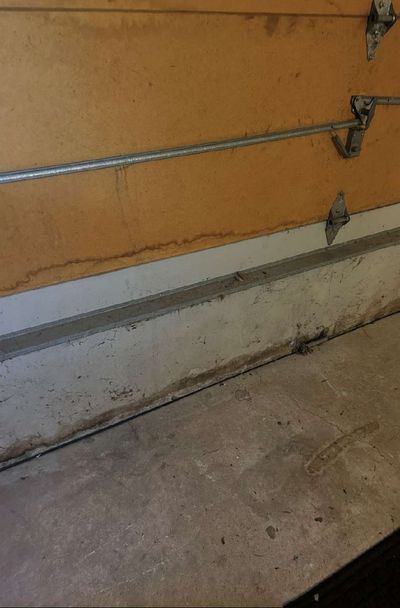
Before touching the HVAC system, I documented the moisture, because mold does not grow without it. There were water stains in multiple areas of the home. In the garage, a patched, water-stained ceiling still measured damp on the moisture meter, which tells you the leak that caused the staining was not fully resolved when it was patched over.
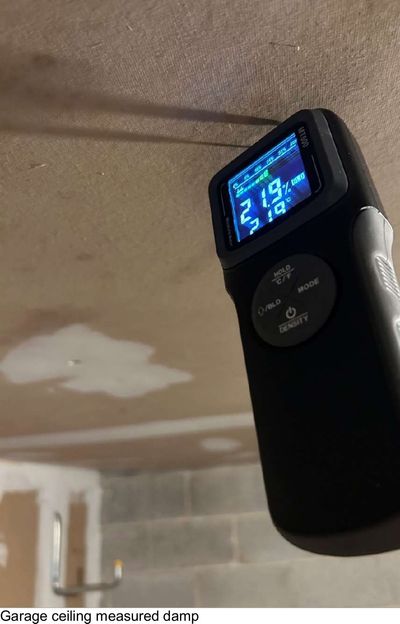
Water stains and a damp ceiling are the context for everything that follows. They are the evidence that this house has an ongoing moisture pathway, and moisture is the fuel. The question was where that moisture was meeting the surfaces that could grow, and the answer turned out to be inside the HVAC system.
2. The HVAC System Itself Was the Suspect: Discoloration on the AC Coil
The AC coil is one of the surfaces inside the system most likely to hold a problem. It runs cold and wet through the cooling season, condensation collects on it, and dust pulled in from the house settles onto that damp surface. On this home, there was clear discoloration across the coil and the surrounding cabinet.
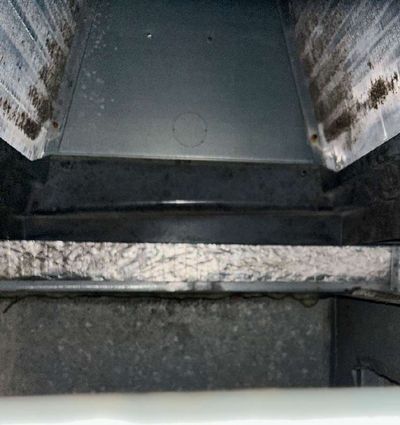
This is the part that matters about coil growth. The coil is not in a closet nobody visits. It sits in the middle of the airstream, so anything on it is in the path of the air being delivered to the whole house. A person can walk into a spotless living room and still be breathing what is on that coil. That is how a clean-looking house makes someone react at the door.
3. What We Sampled and Why: An Air Grab in the Return and a Swab of the Humidifier
The central humidifier told a similar story. The pad was dirty and the housing showed discoloration and heavy mineral and debris buildup, which is what happens when a humidifier is left to run without service. A humidifier is a device whose entire job is to add moisture, so a neglected one becomes a reservoir sitting right inside the air handler.
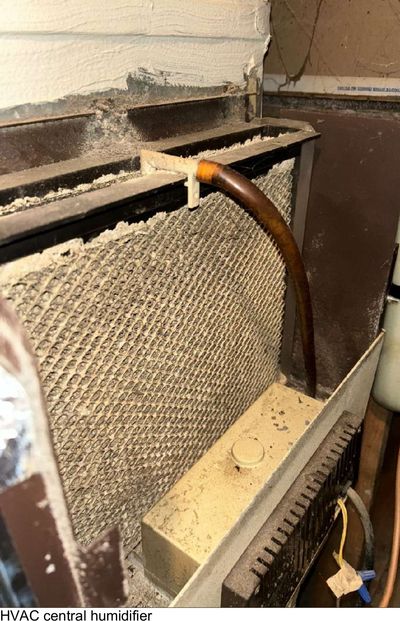
This is where the two sampling methods come in. At the customer's request, I took an air grab in the HVAC central return duct, which captures what is actually airborne, and a swab on the central humidifier, which samples what is growing on that specific surface. The two answer different questions. The air grab tells you what people are breathing right now. The swab tells you whether a suspect surface is actually active. When someone reacts inside a clean-looking house, you want both, because the air can read fine while a surface is still the source.
4. A Foyer Register Packed With Debris
The foyer HVAC register was full of debris. A register choked like this is both a sign that the duct system has not been cleaned and a place where dust and moisture collect and sit against the metal.
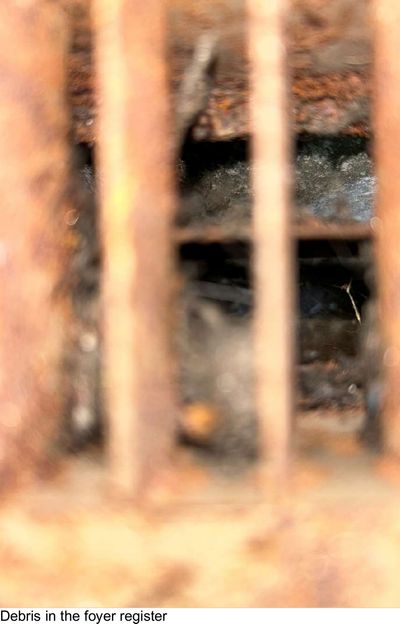
Debris in a register is easy to dismiss as cosmetic, but it is really a window into the condition of the ducts behind it. If the register is this loaded, the ductwork it connects to is carrying the same material, and every bit of it is in the path of the air being delivered to the rooms.
5. What the Lab Found: Normal Air, Minimal Active Growth in the Humidifier
The lab results were, honestly, a good outcome given how the day started. The air sample collected in the return duct came back as normal mold. The swab of the central humidifier showed very low, minimal active fungal growth. In plain terms: the air people were breathing was not at an alarming level, but there was confirmed, active growth on the humidifier surface, and there was visible discoloration on the coil and the register debris to go with it.
This is the honest way to read a result like this. A normal air number does not mean nothing was found, and it does not clear the house. It means that at the moment of the test the airborne count was not high, while the humidifier still had minimal active growth and the coil and register showed discoloration and debris. If I had only grabbed the air and read the number, I would have missed the growth on the humidifier.
6. The Recommended Next Steps
The recommendation was to have a qualified contractor remediate the garage water infiltration and clean the AC coil, the central humidifier, and the registers and ducts, to reduce the risk of a health hazard. Beyond that: keep the vents clean, increase humidity control and HEPA filtration in the rooms used most, keep the HVAC filter and ducts clean, and dehumidify during the warm months. On the moisture side, keep gutters and downspouts clean, maintain a positive grade around the foundation, add drainage where needed, trim vegetation back from the walls, and repair any plumbing leak or water infiltration within 24 hours.
The order matters here. Cleaning the coil and the humidifier without correcting the moisture feeding them just resets the clock. The garage water infiltration and the ongoing dampness are the reason those surfaces keep growing, so the moisture and the equipment have to be addressed together. Testing identified and quantified the problem; remediation and cleaning by a qualified contractor is the separate step that actually resolves it.
What West Chester Homeowners Should Know About Mold Testing
The lesson from this West Chester home is that a clean-looking house is not the same as a clean-air house. When people feel worse indoors than out, the HVAC system is the one place worth checking directly, because it is the only part of the home that touches every room. A living space can be spotless while the coil, the humidifier, and the ducts behind the walls are quietly circulating what is on them.
It is also a good example of why I sample both the air and the surfaces, and why I read the results honestly. The air came back normal, but the humidifier swab still showed active growth. If I had chased the air number alone, the answer would have looked like nothing. Whether you are in West Chester, Exton, or Downingtown, if your family feels the difference the moment they walk inside, that reaction is worth taking seriously and worth testing properly.
Bob Klebanoff
Owner, All Seasons Home Inspections
610-348-6728 | Free Estimate