In June 2026, I inspected a three-story brick rowhome on Tilton Street in Port Richmond, in the 19134 part of Philadelphia. The house had a flat roof and a rooftop pilot-house deck, the kind of rooftop feature that is a real selling point on an older Philadelphia rowhome. It also had the wear that comes with that feature, and with a densely built, weather-exposed house.
Here is what this inspection found, from the roof deck down to the front wall, and why the rooftop deck and flat roof on a house like this deserve a closer look than a generic checklist gives them.
1. A Worn Rooftop Pilot-House Roof Deck
The rooftop pilot-house deck had deteriorated and unsecured deck planks, a damaged threshold at the pilot-house door, and a section of unsecured fascia. The rooftop deck is the signature feature of older Philadelphia brick rowhomes, and because it takes sun, rain, and freeze-thaw from every direction, it is usually the first part of the house to wear out.
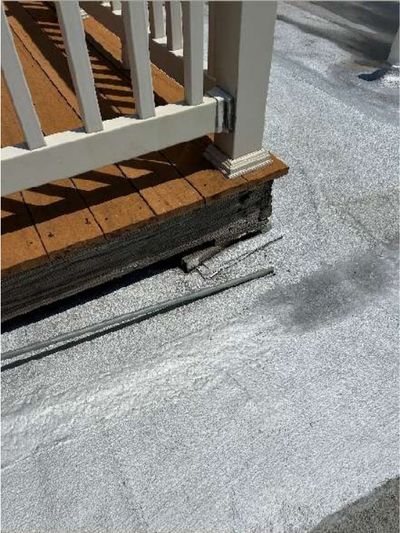
This matters more than a cosmetic finding because everything here sits directly over the living space. A loose plank is a trip-and-fall risk, and a damaged threshold and unsecured fascia let water get into the roof and the top floor. On a rowhome, the pilot-house deck and its flashing are exactly the spot a quick checklist tends to skip, and exactly the spot where a leak starts.
2. Flat-Roof Ponding and a Deteriorated Membrane Under the Deck
The back section of the flat roof held standing water, and the roof membrane under the rooftop deck was deteriorated. Ponding is water that sits on the roof instead of draining, and on a flat roof it is a warning sign, not a cosmetic one.
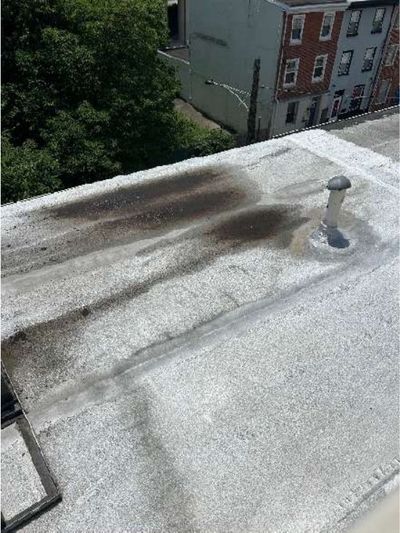
The section of membrane under the deck was harder to reach and harder to see, which is exactly why it gets missed. A deck built over a flat roof hides the roof it sits on, and the membrane keeps aging out of sight.
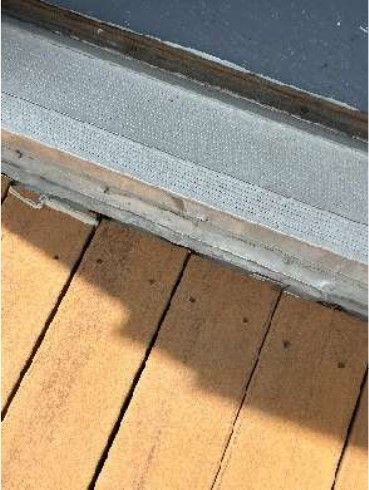
Flat roofs are the norm on 19134 rowhomes, and ponding paired with a worn membrane is one of the most common findings out here. These were documented so the buyer could plan roof work rather than find a leak after the first hard rain.
3. Open Electrical at the Roof Deck and Panel
The electrical turned up three safety items grouped near the roof deck and in the panel. First, there was an open junction box, with no cover and wires exposed, at the top of the deck steps.
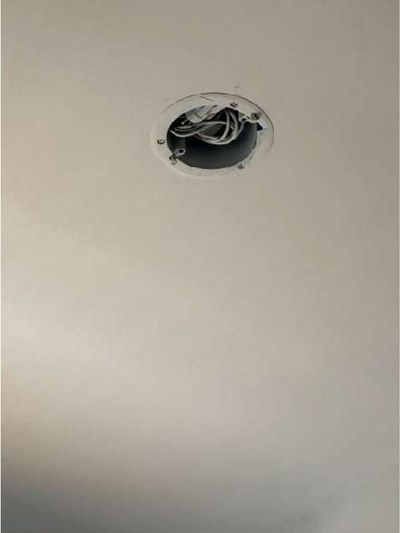
Second, the roof-deck receptacle had no power and the GFCI would not set, which means the safety device meant to protect an outdoor outlet was not working. Third, the electrical panel had a missing knockout, leaving an opening in the enclosure.
None of these is expensive to fix, but all three are the kind of safety item you want documented before you buy, not discovered the first time you plug something in on the roof.
4. An Inoperative AC, an Open Condenser Splice, and Furnace Corrosion
The air conditioning was not operational at the time of the inspection, there was an open electrical splice at the outdoor condenser, and the furnace in the basement showed corrosion.
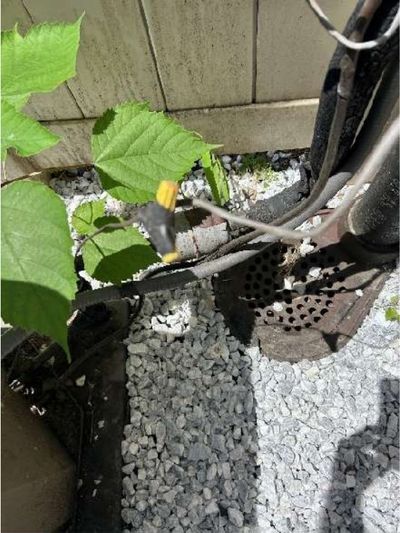
An open splice outdoors is exposed to weather and is a shock hazard. An AC unit that will not run needs a diagnosis before a buyer counts on it through a Philadelphia summer, and corrosion on a furnace points to age or moisture and deserves a closer look from an HVAC contractor. Heating and cooling are among the most expensive systems in the house, so knowing their real condition changes what the home costs to own.
5. Gas Shut Off, a Kitchen Sink Leak, and an Open Vent
The gas was shut off, so the gas appliances could not be turned on and tested. There was a leak under the kitchen sink, and an open hot water vent was noted.
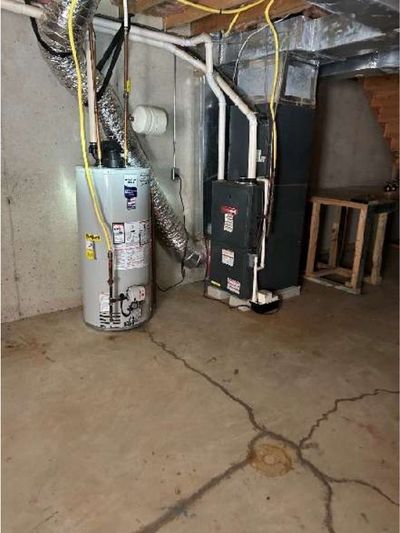
When the gas is off, the range, water heater, and any gas heat stay open questions until service is restored and they can be run, so those systems should be re-checked before closing. The sink leak needs a plumber, and an open vent on a hot water system is a safety item that should be closed up correctly.
6. Loose Siding and an Open Joint in the Front Brick Wall
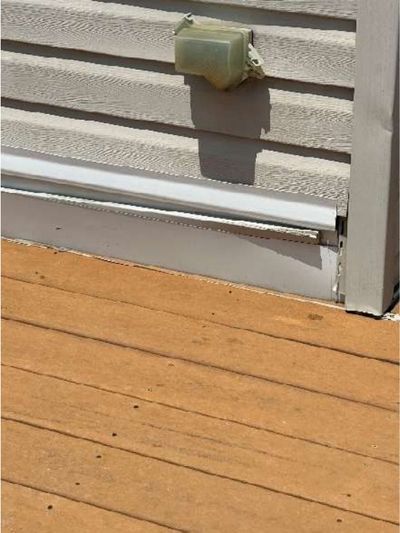
On the exterior there were loose siding channels and an open vertical joint running up the front brick wall.
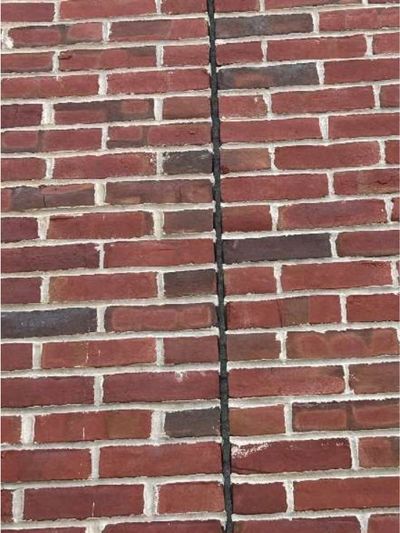
Loose siding channels let wind and water get behind the siding, and an open vertical joint in a brick wall is a straight path for water into the masonry. In Fishtown, Kensington, and the 19134 rowhome blocks of Port Richmond, houses are built shoulder to shoulder and the front wall takes the weather head-on. Water that gets into the wall can travel a long way before it shows up inside, so these were documented for repointing and re-securing.
What Buyers Should Expect From Home Inspections in Port Richmond
This inspection found a worn rooftop deck, flat-roof ponding, open electrical, a dead AC and corroded furnace, gas off with a sink leak, and loose siding with an open brick joint. That is not a bad house. It is a normal older Philadelphia brick rowhome, and the findings cluster exactly where these houses take the most weather and wear: the roof, the rooftop deck, and the front wall.
What makes an inspection out here different is the rooftop pilot-house deck and the flat roof under it. Buyers in Northeast Philadelphia and the River Wards are often looking at a flat roof, a pilot house, and a rooftop deck for the first time, and those are exactly the systems a generic checklist tends to rush past. Knowing where a pilot-house deck fails, and knowing to check the membrane hidden under it, comes from having inspected a lot of rowhomes in this specific market.
If you are buying a rowhome in Port Richmond or the rest of Philadelphia, schedule an inspection with All Seasons. I personally perform every inspection, and I know the flat-roof, pilot-house-deck rowhomes in the 19134 stock.
Bob Klebanoff
Owner, All Seasons Home Inspections
610-348-6728 | Free Estimate
Home Inspections in Port Richmond and the Surrounding Area:
Philadelphia Fishtown Northeast Philadelphia