In June 2026, I inspected a two-story stucco-and-stone home on Harmon Road in Roxborough, in the 19128 zip code near the Wissahickon. The house dated to about 1946 and presented well, the way a lot of these solid old Northwest Philadelphia homes do.
But it ran on the two systems that define this housing stock and that most buyers have never owned: a cast-iron main waste drain and boiler-and-radiator heat. Here is what this inspection found, and why the older stucco-and-stone homes out here deserve a closer look than a generic checklist gives them.
1. A Cracked Section of the Cast-Iron Main Waste Drain
In the basement, a section of the cast-iron main waste drain was cracked. Cast iron was the standard drain material when this house was built, and it is durable, but after 70-plus years the pipe corrodes from the inside and eventually cracks, usually along a horizontal run or at a joint.
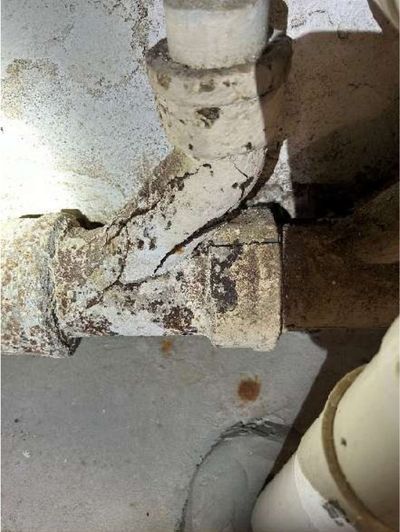
This matters because the main waste drain carries everything from the house. A crack in it can leak waste water into the basement, and replacing a section of cast-iron main line is a genuine plumbing cost, not a small repair. A home inspection covers the visible, accessible condition of the drain lines, and when a crack like this is found the correct step is to have a plumber further evaluate the extent and price the repair before closing. Catching it now keeps it from becoming a surprise later.
2. Exposed Heating Pipes at the Base of a Basement Wall
Sections of the radiator heating pipe ran exposed and unprotected along the base of the front basement wall. On a boiler-and-radiator system, these supply and return lines carry hot water, and where they run in an occupied or traveled part of the basement they should be secured and insulated.
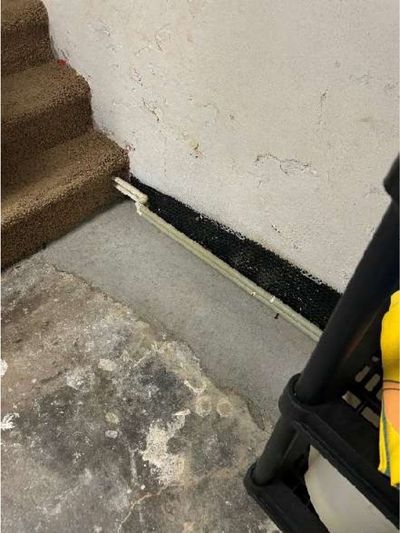
None of this makes radiator heat a liability. A well-maintained boiler with cast-iron radiators is a comfortable, long-lived system and it is the norm in these older Roxborough homes. This was simply noted so the buyer, likely coming from forced-air heat, could have the exposed sections properly secured and insulated and understand the system they were taking on.
3. An Electrical Safety Cluster: Reverse Polarity, an Open Junction Box, and an Open Splice
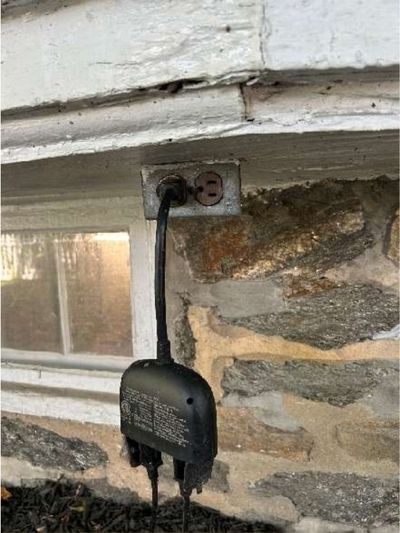
The electrical system turned up three separate safety items. Outside, an uncovered exterior receptacle was wired with reverse polarity and had no GFCI protection. Reverse polarity means the hot and neutral are swapped, which leaves a device energized even when it is switched off, and an outdoor receptacle should be a weather-covered GFCI.
Inside, there was an open junction box in the basement and an open splice in the attic. Both are the same category of hazard: electrical connections that should be enclosed in a covered box are instead left exposed, where they can be contacted or can arc.
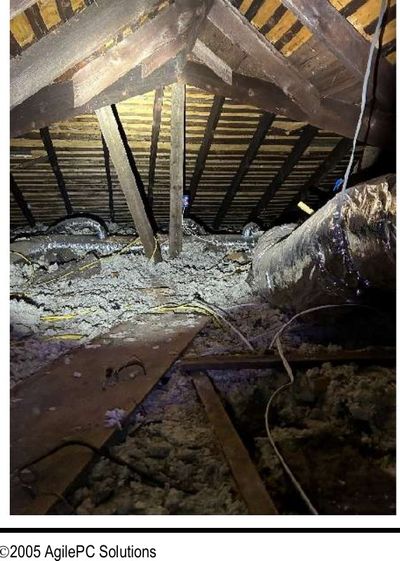
Individually each of these is an inexpensive correction for a licensed electrician. Together they are exactly the kind of small, accumulated electrical items that are easy to miss and worth documenting, because they are safety issues and they are cheap to fix once you know they are there.
4. Excessive Settlement in the Dining Room Floor
A section of the dining room floor had settled noticeably, beyond the normal unevenness you expect in a home this age. You could see it in the gap and the slope where the floor met the baseboard.
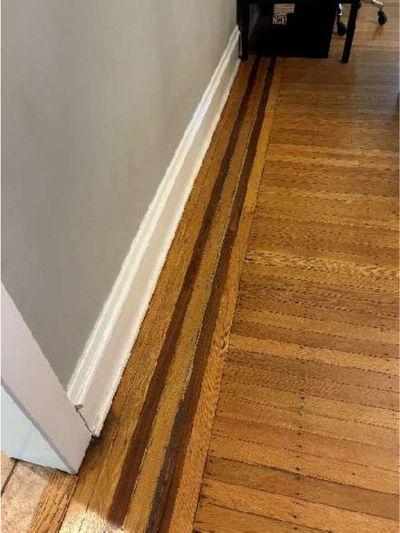
Some settlement is normal in an 80-year-old home, and this is not automatically a structural emergency. But settlement that is beyond typical is a reason to look at what is underneath, at the joists, girders, and support columns in the basement below that room. It was documented so the buyer could have the framing and support evaluated and understand whether it needs reinforcement.
5. A Basement Walkout With No Handrail and a Rotted Door Frame
The exterior basement walkout had a run of steps with no handrail, which is a fall hazard, and the door frame at the walkout was rotted from exposure to weather.
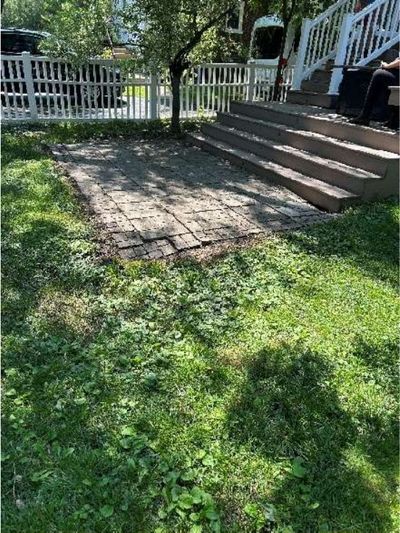
Both are the kind of small exterior item that is easy to live with and easy to overlook, but each has a real consequence. A missing handrail is a fall risk that a straightforward railing fixes. A rotted door frame lets water and air into the house and only gets worse, so it should be repaired. These were flagged so the buyer could budget the handrail and the frame repair.
6. A Water Heater Relief Valve Missing Its Extension Tube, and a Blown Thermal-Pane Window
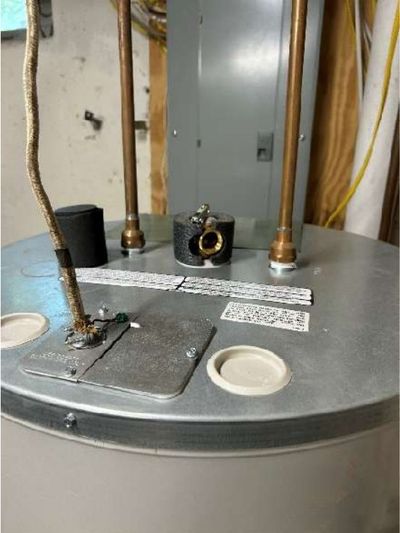
The water heater's temperature and pressure relief valve was missing its discharge extension tube. That tube is a safety component: it directs scalding water and steam down to the floor if the valve ever releases, instead of letting it spray out at head height. It is an inexpensive part and it should always be present.
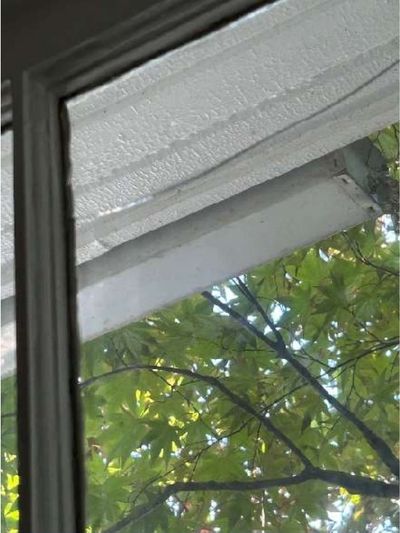
Separately, one window had a blown thermal pane, where the seal between the two panes of glass has failed and moisture has gotten between them, fogging the glass and reducing the window's insulating value. It does not need emergency attention, but it is a failed unit that will not clear up on its own.
Both are minor on their own. The relief valve tube is a quick, cheap correction that matters for safety, and the blown window is a budget item to plan for. Documenting them is what lets the buyer account for the small stuff along with the big.
What Buyers Should Expect From Home Inspections in Roxborough and Northwest Philadelphia
This inspection found a cracked cast-iron waste drain, an electrical safety cluster, floor settlement, a walkout with no handrail and a rotted frame, and a couple of smaller items, on a home that showed well. That is not a bad house. It is a normal 1940s Roxborough stucco-and-stone home, and the findings were age-related rather than a sign of neglect. Worth noting: the hairline cracks in the stucco were normal for a house this age and were noted as such, not called out as a defect.
What makes an inspection out here different is the housing stock itself. In Roxborough, Manayunk, and the rest of Northwest Philadelphia near the Wissahickon, pre-1950 homes on cast-iron waste lines and boiler-and-radiator heat are the norm, and those are exactly the systems a generic checklist tends to rush past. Knowing where a cast-iron main line cracks, and knowing to look under a settled floor, comes from having inspected a lot of homes in this specific market.
If you are buying a home in Roxborough or the surrounding Philadelphia neighborhoods, schedule an inspection with All Seasons. I personally perform every inspection, and I know the old stucco-and-stone homes near the Wissahickon.
Bob Klebanoff
Owner, All Seasons Home Inspections
610-348-6728 | Free Estimate
Home Inspections in Roxborough and Northwest Philadelphia:
Roxborough Manayunk Chestnut Hill Germantown Philadelphia