Mold Inspection & Testing in Ambler, PA
All Seasons provides professional mold inspection and testing in Ambler, Montgomery County, PA. PRO-LAB certified lab results in 2-3 days with clear interpretation. Owner-operator Bob personally collects every sample — 20+ years experience, no conflict of interest. Starting from $290. Call 610-348-6728 for a free estimate.
Ambler, Montgomery County, PA
How does mold testing work in Ambler?
Ambler sits in the southeastern corner of Montgomery County, a walkable Victorian-era borough threaded by Wissahickon Creek tributaries and defined by its dense grid of late 19th and early 20th century row homes, twins, and detached singles. The historic borough core along Butler Avenue and Broad Street is flanked by residential streets that were platted and built before World War I, including the streets radiating off Maple Avenue, Spring Garden Street, and the neighborhoods around Lindenwold Avenue and Forest Avenue. The Ambler SEPTA station anchors a commuter corridor that has drawn buyers back to these blocks for decades, and the borough's walkable scale means housing density is high and lot drainage is often constrained. The Upper Dublin School District draws families into the area, and the mix of rehabbed rowhomes on Union Street and intact pre-war colonials along Highland Avenue represents some of the oldest continuously occupied residential stock in the county. Wissahickon Creek runs along the borough's western edge, and low-lying parcels near East Butler Pike and the industrial remnants along Jarrett Street carry moisture loads year-round. Pre-1920 homes are among the highest-risk properties for mold growth because of the way they were built: porous stone foundations with no vapor barrier, original clay drainage tiles that crack and redirect water toward the house, lime mortar joints that open over time and become moisture entry points, and basement spaces that were never engineered for ventilation. In Ambler specifically, the flat grade around the historic core means surface water moves slowly, and it moves toward foundations. What that produces over time is chronic low-level moisture in the basement envelope, and chronic low-level moisture is where mold colonies establish and persist without visible surface signs.
When I test homes in Ambler, the first thing I think about is foundation type and what is sitting on the other side of it. The pre-1920 housing stock here is built predominantly on rubble stone foundations, and rubble stone is porous. It does not have a membrane, it does not have a modern footing drain, and in many cases the original clay tile drainage system installed alongside it has cracked or clogged at some point in the last hundred years. Water does not need a visible path to move through stone. It migrates. And what collects on the interior face of that foundation wall, especially in an unfinished or partially finished Ambler basement with an earth floor or a deteriorating concrete slab, is exactly the kind of sustained moisture environment that produces elevated Cladosporium, Penicillium, and Aspergillus spore counts. I also pay close attention to lime mortar repointing gaps, which are common in these homes because the original mortar is softer than modern Portland mix and weathers unevenly. Those gaps are direct moisture entry points at the foundation-to-framing transition. Unventilated basement spaces compound everything because the air cannot move, spore concentrations build, and the first indication a homeowner has is often smell rather than visible growth. Buyers coming from Cheltenham often ask me whether Ambler's older housing is inherently riskier. My answer is that age alone is not the issue. Condition of the foundation, drainage grade, and whether anyone has ever addressed basement moisture systematically are what determine risk. A well-maintained 1905 stone-foundation home can test clean. A neglected one almost always does not. Every sample I collect in Ambler, I collect personally. No rotating technicians, no subcontracted lab crew. Bob walks every client through the results in plain language — what the counts mean, whether remediation is needed, and who to call if it is. No jargon, no scare tactics. Call 610-348-6728 to schedule.
Why are Ambler's 1890s–1960s homes at risk for mold?
Homes from the 1920s–1940s combine aging infrastructure with building practices that create persistent moisture pathways — clay sewer laterals, minimal foundation waterproofing, and plaster walls that mask moisture damage.
Clay sewer laterals with tree root intrusion causing backup and sub-slab moisture
Oil-to-gas conversion furnaces with condensation issues from improper chimney liner sizing
Plaster-over-lath walls that hold moisture for extended periods without visible exterior signs
Basement window wells with deteriorating drainage directing water toward foundation walls
How does Bob test for mold in Ambler?
Bob follows a systematic approach calibrated to the specific risks of early to mid-20th century construction in Montgomery County. All sampling protocols follow EPA mold testing guidelines:
Indoor Air Quality Sampling
Bob collects air samples from areas of concern and compares them against outdoor baseline readings. This comparison reveals whether indoor mold levels are elevated beyond what's normal for the environment.
PRO-LAB Certified Lab Analysis
All samples go to a PRO-LAB certified laboratory — the gold standard in environmental testing. Results return in 2-3 business days with a full written interpretation.
Clear Results & Honest Recommendations
Bob walks you through exactly what the lab results mean — no jargon, no panic. If remediation is needed, he'll explain what's involved so you can make informed decisions.
What are common issues in Ambler homes?
Based on 20+ years testing early to mid-20th century homes in Montgomery County, these are the issues Bob finds most often:
- Clay sewer laterals with tree root intrusion and bellied sections
- Layered electrical upgrades with code violations at old/new connections
- Oil-to-gas furnace conversions with improper chimney liner sizing
- Original slate or clay tile roofs reaching end of useful life
- Plaster-over-lath moisture damage hidden behind intact-looking walls
- Inadequate insulation and single-pane windows driving high energy costs
Also Available: Home Inspection in Ambler
In addition to mold testing, Bob provides comprehensive home inspections for Ambler properties. InterNACHI certified, starting from $325.
Learn About Home Inspection in AmblerSchedule Mold Testing in Ambler
Same-week appointments available. Bob personally collects every sample — you always know who's in your home.
610-348-67287 days, 7am–midnight
Get a Free EstimateServices Available in Ambler
- Air Sampling
- Surface / Bulk Sampling
- Visual Mold Assessment
- Pre / Post-Remediation Testing
Mold Testing Pricing
Every property is different. Call Bob for your specific quote — he'll give you an honest number on the spot.
See Full Pricing Details →More Ambler Pages
Nearby Areas Also Served
Ambler is one of the Montgomery County communities Bob covers. For the wider picture of how mold testing works across the county, the moisture patterns that repeat here, and every town served, see Mold testing in Montgomery County.
From the Field
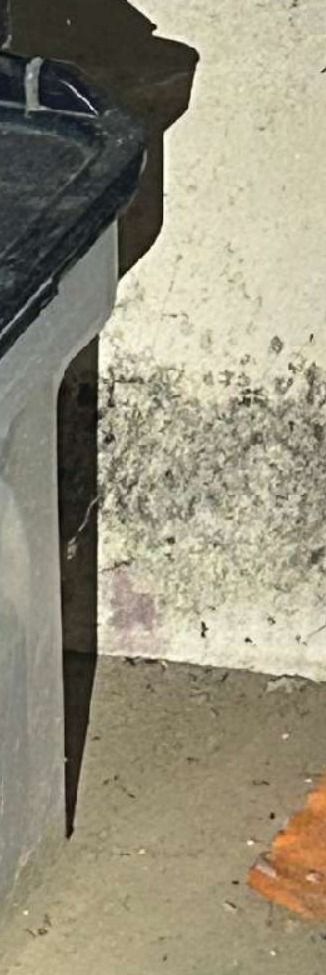
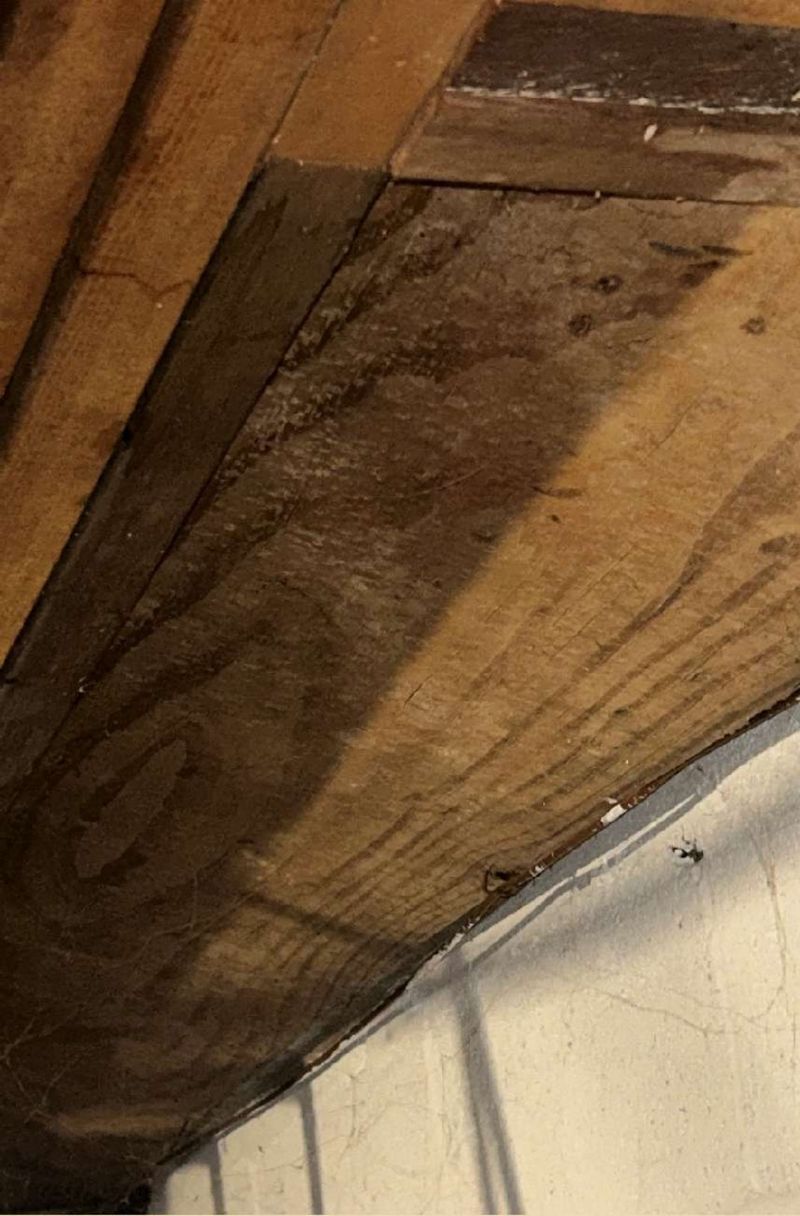
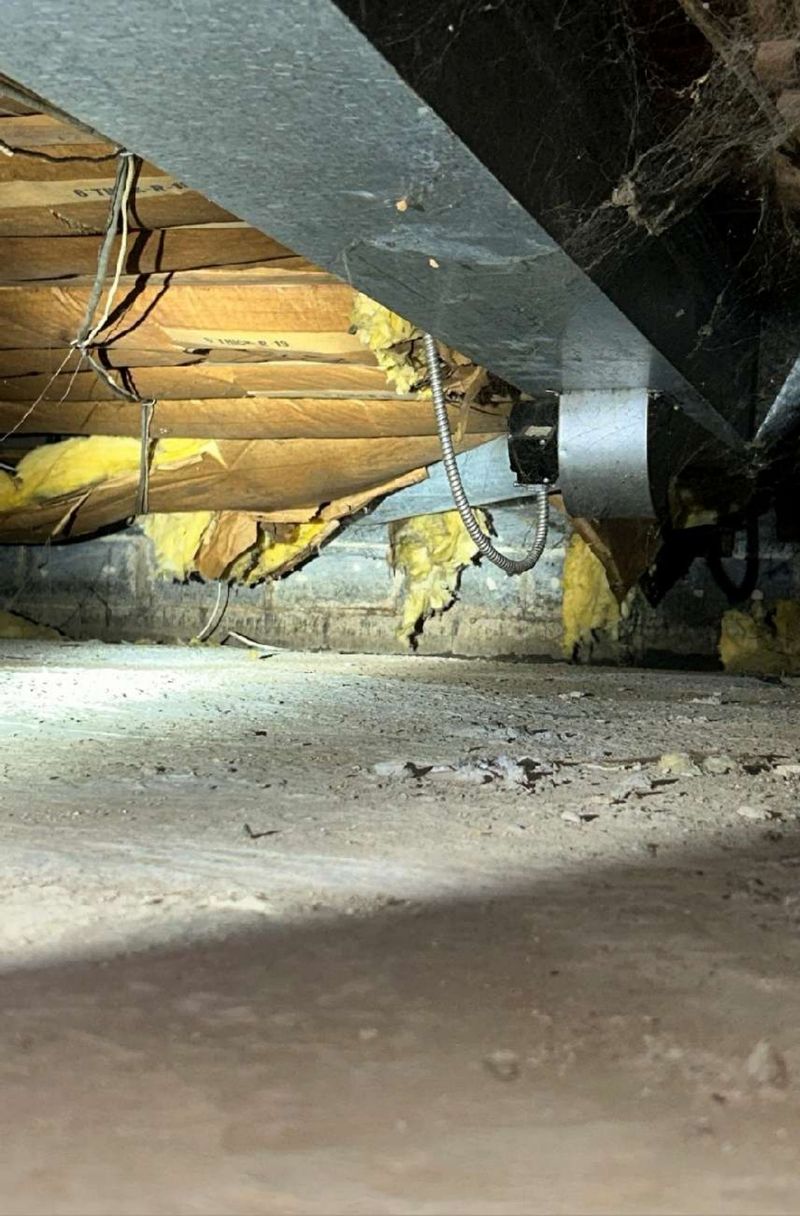
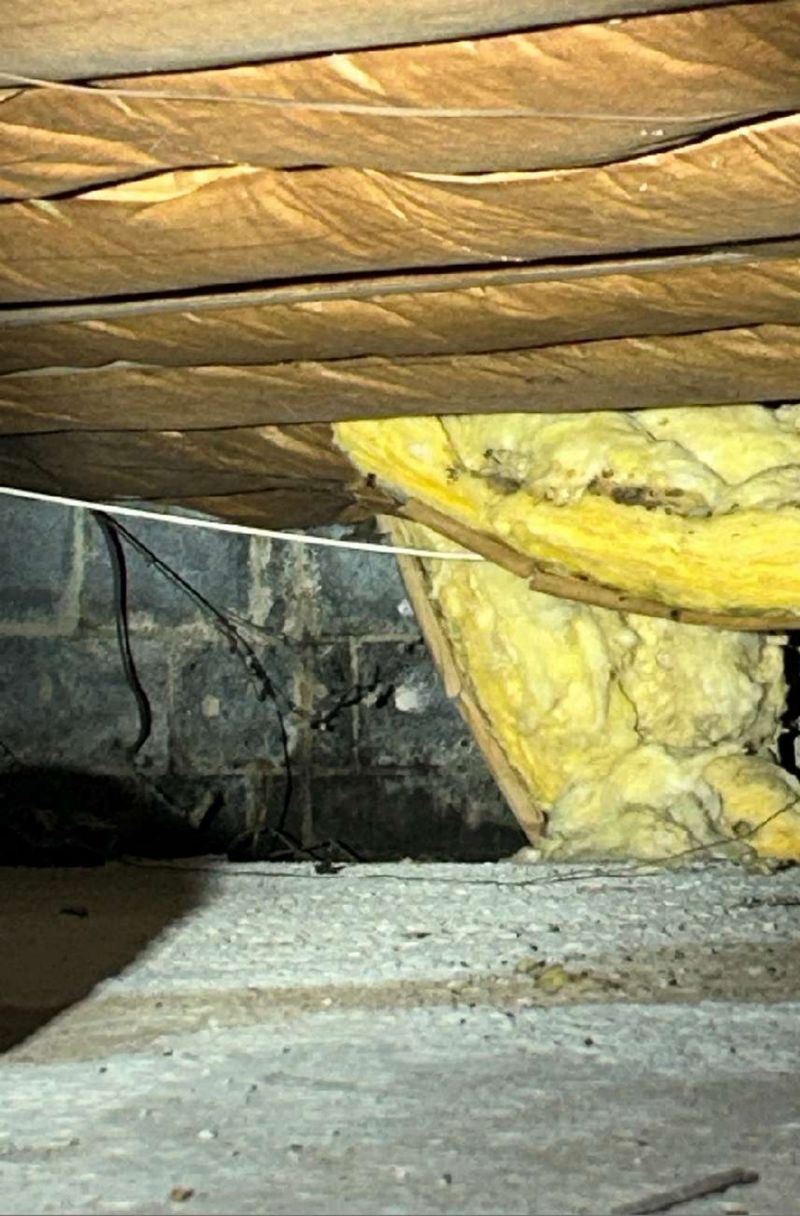
From a recent Ambler inspection
Real findings Bob documented on the job in Ambler — the detail that goes in your photo-rich report, delivered within 24 hours.
Why Choose Bob
Why choose All Seasons for mold testing in Ambler?
You Always Get Bob
Bob personally collects every sample — no subcontractors, no unknown technicians. You know exactly who's in your Ambler home.
PRO-LAB Certified Lab
Every sample is analyzed by a PRO-LAB certified laboratory — the gold standard in environmental testing. You get real science, not guesswork.
No Conflict of Interest
All Seasons tests and reports — we never perform remediation. Every finding is completely objective. Bob's only job is giving you the truth about your home's air.
Early to mid-20th century Expertise
Bob has deep experience with 1920s–1940s construction — homes built with real craftsmanship but aging infrastructure. He knows the common failure points: clay laterals, layered electrical upgrades, oil-to-gas conversions, and plaster moisture issues that other inspectors miss.
From the Blog
What should Ambler homeowners know about mold?
Get in Touch
How do I schedule a mold test in Ambler?
Same-week appointments available throughout the Philadelphia region.
Tell Us About Your Property
Bob returns every call within 24 hours. Inspections typically scheduled within the week. No spam, no email lists.
Common Questions
What are common mold testing questions in Ambler?
Common questions about mold testing in Ambler — answered directly.