Mold Inspection & Testing in Folsom, PA
All Seasons provides professional mold inspection and testing in Folsom, Delaware County, PA. PRO-LAB certified lab results in 2-3 days with clear interpretation. Owner-operator Bob personally collects every sample — 20+ years experience, no conflict of interest. Starting from $290. Call 610-348-6728 for a free estimate.
Folsom, Delaware County, PA
How does mold testing work in Folsom?
Folsom is a census-designated community inside Ridley Township in the southeastern corner of Delaware County, roughly eleven miles southwest of Center City and a short distance inland from the lower Delaware River corridor. The community grew up around MacDade Boulevard and Swarthmore Avenue, and most of the houses on the side streets running off those corridors went up during the postwar building wave, with construction concentrated in the 1940s through the 1960s. Cape Cods, brick and stone ranches, Colonial Revival singles, and the Philadelphia-style brick twins that fill block after block here all date from that period, with a scattering of older Victorian-era homes near the original village. That postwar housing stock carries a moisture profile that is different from the interwar rowhome neighborhoods closer to Philadelphia, and it is worth understanding before you buy. Folsom sits on the Little Crum Creek drainage, a small tributary that winds north and west through Ridley Township and Swarthmore toward the larger Crum Creek corridor, which itself meets the Delaware River down between Eddystone and the lower end of Ridley Township. That puts a good number of Folsom blocks on gently sloping ground where stormwater collects and the seasonal water table climbs after sustained rain. The Cape Cods and ranches of this era were typically built on poured-concrete or concrete-block foundations, and a block foundation pulls groundwater through its hollow cores in a way poured walls do not, so the lower-lying streets nearer the creek see real hydrostatic pressure against below-grade walls during wet stretches. Cape Cods in particular create their own moisture trap: the half-story upstairs with sloped kneewall ceilings has cramped, poorly ventilated cavities behind the knee walls and in the side attic pockets, and those spaces collect condensation and go unseen for years. Original bathroom and kitchen exhaust in homes of this vintage was minimal, and many Folsom homes still vent a bath fan into the attic rather than to the outside, dumping shower moisture straight into the roof structure. Clay sewer laterals run from a lot of these properties out to the township main under mature street trees, and after fifty or sixty years of root growth those lines develop bellies and intrusion that back up and saturate sub-slab soil quietly. Finished basements added in the 1970s and 1980s sealed drywall and paneling directly against block walls that had already been cycling moisture for decades, and that is exactly where hidden growth tends to sit.
In Folsom, the pattern I see most often is the postwar Cape Cod or brick twin with a basement that looks dry to the owner but reads high on a moisture meter along the below-grade block, especially on the blocks that slope toward the Little Crum Creek drainage. The water does not have to come in as a visible puddle to be a problem. It shows up as elevated humidity wicking through hollow block, as damp paper facing on drywall that a previous owner hung over the foundation in a basement finish, and as spore counts on an air sample pulled from a finished lower level that felt perfectly comfortable. The Cape Cod kneewall cavities and side-attic pockets are a second place I check closely, because the trapped condensation up there feeds growth that never announces itself downstairs. When I test a Folsom home I set calibrated air samples in every area of concern, basement, finished room, and any space with a history of moisture, and I collect an outdoor baseline sample the same day so the lab is comparing your indoor air against the actual spore count outside your door rather than a generic number. Everything goes to a PRO-LAB certified laboratory and results come back in 2-3 business days. I read every report myself and explain it to you in plain language instead of handing you a table of numbers. I do not do remediation, so nothing I find is shaded by an interest in selling you a cleanup. I serve Folsom alongside neighboring communities including Ridley Park. Call 610-348-6728 to schedule.
Why are Folsom's 1940s–1960s homes at risk for mold?
Post-war homes from the 1940s–1960s are among the most common properties Bob tests for mold. Their combination of aging plumbing, minimal waterproofing, and early HVAC systems creates multiple moisture pathways.
Galvanized plumbing pinhole leaks inside walls creating hidden moisture damage
Undersized or absent bathroom exhaust fans allowing humidity to accumulate
Cape Cod and split-level designs with condensation-prone attic kneewall spaces
Original basement floor drains connected to deteriorating clay or cast iron lines
How does Bob test for mold in Folsom?
Bob follows a systematic approach calibrated to the specific risks of post-war and mid-century construction in Delaware County. All sampling protocols follow EPA mold testing guidelines:
Indoor Air Quality Sampling
Bob collects air samples from areas of concern and compares them against outdoor baseline readings. This comparison reveals whether indoor mold levels are elevated beyond what's normal for the environment.
PRO-LAB Certified Lab Analysis
All samples go to a PRO-LAB certified laboratory — the gold standard in environmental testing. Results return in 2-3 business days with a full written interpretation.
Clear Results & Honest Recommendations
Bob walks you through exactly what the lab results mean — no jargon, no panic. If remediation is needed, he'll explain what's involved so you can make informed decisions.
What are common issues in Folsom homes?
Based on 20+ years testing post-war and mid-century homes in Delaware County, these are the issues Bob finds most often:
- Asbestos in 9x9 floor tiles, pipe insulation, and boiler components
- Galvanized steel plumbing with internal corrosion reducing water pressure
- Undersized electrical panels (60-100 amp) unable to support modern loads
- Poor attic ventilation in Cape Cod designs causing ice dams and moisture damage
- Original single-pane windows with failed glazing and air infiltration
- Basement moisture from minimal or absent exterior waterproofing
Also Available: Home Inspection in Folsom
In addition to mold testing, Bob provides comprehensive home inspections for Folsom properties. InterNACHI certified, starting from $325.
Learn About Home Inspection in FolsomSchedule Mold Testing in Folsom
Same-week appointments available. Bob personally collects every sample — you always know who's in your home.
610-348-67287 days, 7am–midnight
Get a Free EstimateServices Available in Folsom
- Air Sampling
- Surface / Bulk Sampling
- Visual Mold Assessment
- Pre / Post-Remediation Testing
Mold Testing Pricing
Every property is different. Call Bob for your specific quote — he'll give you an honest number on the spot.
See Full Pricing Details →More Folsom Pages
Nearby Areas Also Served
Folsom is one of the Delaware County communities Bob covers. For the wider picture of how mold testing works across the county, the moisture patterns that repeat here, and every town served, see Mold testing in Delaware County.
From the Field
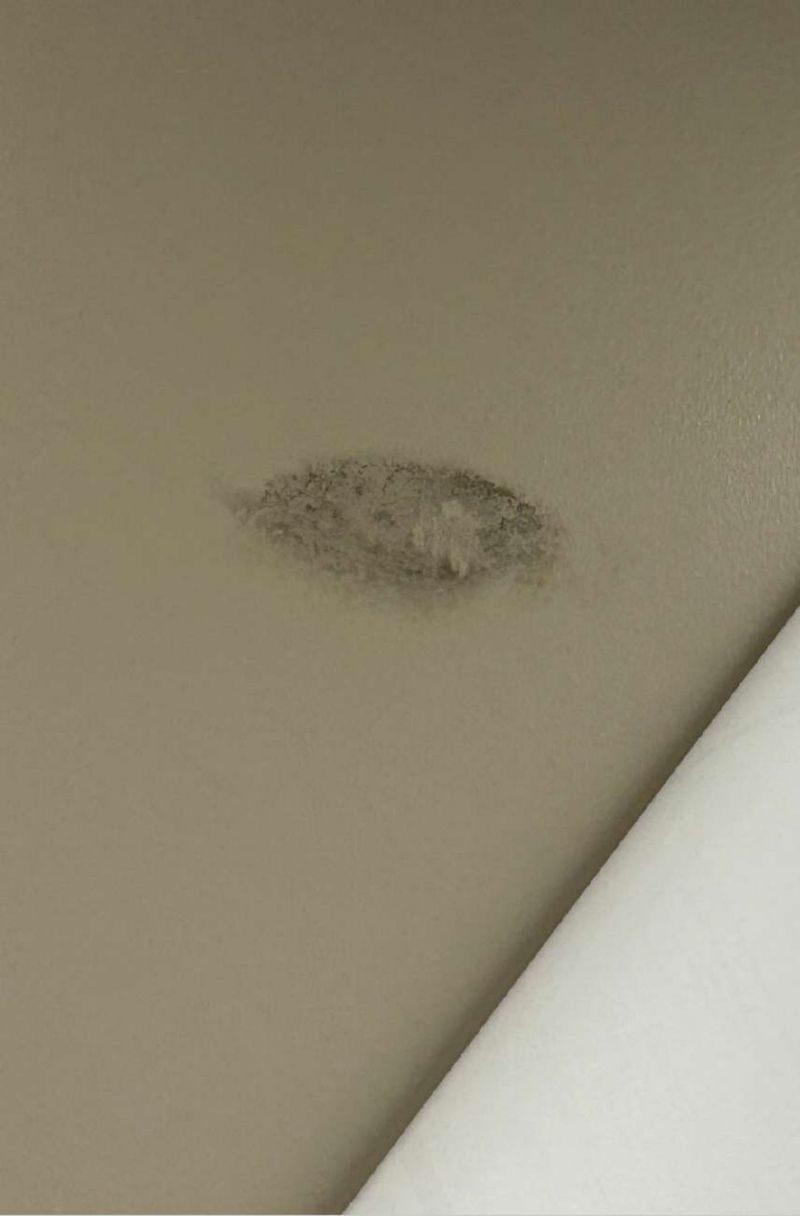
From a recent Folsom inspection
Real findings Bob documented on the job in Folsom — the detail that goes in your photo-rich report, delivered within 24 hours.
Why Choose Bob
Why choose All Seasons for mold testing in Folsom?
You Always Get Bob
Bob personally collects every sample — no subcontractors, no unknown technicians. You know exactly who's in your Folsom home.
PRO-LAB Certified Lab
Every sample is analyzed by a PRO-LAB certified laboratory — the gold standard in environmental testing. You get real science, not guesswork.
No Conflict of Interest
All Seasons tests and reports — we never perform remediation. Every finding is completely objective. Bob's only job is giving you the truth about your home's air.
Post-war and mid-century Expertise
Bob has inspected post-war homes across the Philadelphia suburbs for more than 20 years — the Cape Cods, ranches, and split-levels that define this region. He knows exactly where asbestos hides, which galvanized pipe sections fail first, and how to evaluate the shortcuts builders took during the post-war housing boom.
From the Blog
What should Folsom homeowners know about mold?
Get in Touch
How do I schedule a mold test in Folsom?
Same-week appointments available throughout the Philadelphia region.
Tell Us About Your Property
Bob returns every call and books your date within 24 hours. Inspections typically scheduled within the week. No spam, no email lists.
Common Questions
What are common mold testing questions in Folsom?
Common questions about mold testing in Folsom — answered directly.