Mold Inspection & Testing in Haddon Township, NJ
All Seasons provides professional mold inspection and testing in Haddon Township, Camden County, NJ. PRO-LAB certified lab results in 2-3 days with clear interpretation. Owner-operator Bob personally collects every sample — 20+ years experience, no conflict of interest. Starting from $290. Call 610-348-6728 for a free estimate.
Haddon Township, Camden County, NJ
How does mold testing work in Haddon Township?
Along Haddon Avenue in the Westmont section, the brick storefronts and tightly packed side streets give away Haddon Township's age before you ever check a property record. This is a township built out almost entirely between the 1920s and the 1960s, when colonials, Cape Cods, and brick ranchers went up block after block from the Cooper River east toward Haddonfield and Collingswood. The housing stock is remarkably consistent for a Camden County suburb this size, which is part of the town's appeal, but it also means the same structural vulnerabilities repeat from Westmont to the quieter residential streets further from Haddon Avenue. Homes built in this window predate modern vapor barriers, sealed crawlspace systems, and mechanical ventilation codes entirely. Foundations were poured with the Cooper River's water table close by, but without the waterproofing membranes that came decades later. Basements were finished, unfinished, and re-finished across generations of owners, often without anyone checking what was happening behind the walls in between. For mold growth, that combination of older foundation work, aging plumbing runs, and a housing stock this uniform in age means Haddon Township homes tend to share the same handful of moisture entry points rather than presenting one-off problems. Knowing which era-specific conditions to check first is what separates a useful mold inspection from a surface-level walk-through of a Haddon Township home.
In most 1920s-1960s Haddon Township homes Bob tests, he looks for three mold-risk conditions that owners miss. First: clay sewer laterals, original to most of these homes, that develop cracks and open joints as tree roots from decades-old street trees push into the pipe -- a slow backup that pushes sewer gas and moisture up under the slab long before a drain ever visibly backs up, sometimes showing up only as a faint musty smell near a first-floor bathroom. Second: heating systems converted from oil to gas without resizing the chimney liner, which leaves flue gases cooling too fast and condensing inside the flue, driving moisture into the surrounding masonry and adjacent framing where it can sit unnoticed for years behind a finished basement wall. Third: original plaster-over-lath walls, common throughout Haddon Township's 1920s and 1930s sections, which can hold significant moisture from a slow leak for months without ever showing a stain, because the plaster itself buffers the discoloration you'd expect to see with modern drywall. Window wells with failed or clogged drainage add a fourth, quieter source of basement moisture in the township's older sections. Bob sees the same pattern repeat in Collingswood, another Camden County town with nearly identical housing stock and construction timelines. If you smell something musty in a Haddon Township home or see discoloration near the foundation or HVAC, don't guess — call Bob at 610-348-6728 for a professional mold test.
Why are Haddon Township's 1920s–1960s homes at risk for mold?
Homes from the 1920s–1940s combine aging infrastructure with building practices that create persistent moisture pathways — clay sewer laterals, minimal foundation waterproofing, and plaster walls that mask moisture damage.
Clay sewer laterals with tree root intrusion causing backup and sub-slab moisture
Oil-to-gas conversion furnaces with condensation issues from improper chimney liner sizing
Plaster-over-lath walls that hold moisture for extended periods without visible exterior signs
Basement window wells with deteriorating drainage directing water toward foundation walls
How does Bob test for mold in Haddon Township?
Bob follows a systematic approach calibrated to the specific risks of early to mid-20th century construction in Camden County. All sampling protocols follow EPA mold testing guidelines:
Indoor Air Quality Sampling
Bob collects air samples from areas of concern and compares them against outdoor baseline readings. This comparison reveals whether indoor mold levels are elevated beyond what's normal for the environment.
PRO-LAB Certified Lab Analysis
All samples go to a PRO-LAB certified laboratory — the gold standard in environmental testing. Results return in 2-3 business days with a full written interpretation.
Clear Results & Honest Recommendations
Bob walks you through exactly what the lab results mean — no jargon, no panic. If remediation is needed, he'll explain what's involved so you can make informed decisions.
What are common issues in Haddon Township homes?
Based on 20+ years testing early to mid-20th century homes in Camden County, these are the issues Bob finds most often:
- Clay sewer laterals with tree root intrusion and bellied sections
- Layered electrical upgrades with code violations at old/new connections
- Oil-to-gas furnace conversions with improper chimney liner sizing
- Original slate or clay tile roofs reaching end of useful life
- Plaster-over-lath moisture damage hidden behind intact-looking walls
- Inadequate insulation and single-pane windows driving high energy costs
Schedule Mold Testing in Haddon Township
Same-week appointments available. Bob personally collects every sample — you always know who's in your home.
610-348-67287 days, 7am–midnight
Get a Free EstimateServices Available in Haddon Township
- Air Sampling
- Surface / Bulk Sampling
- Visual Mold Assessment
- Pre / Post-Remediation Testing
Home inspection services are available in Pennsylvania only.
Mold Testing Pricing
Every property is different. Call Bob for your specific quote — he'll give you an honest number on the spot.
See Full Pricing Details →More Haddon Township Pages
Nearby Areas Also Served
From the Field
From a recent Haddon Township inspection
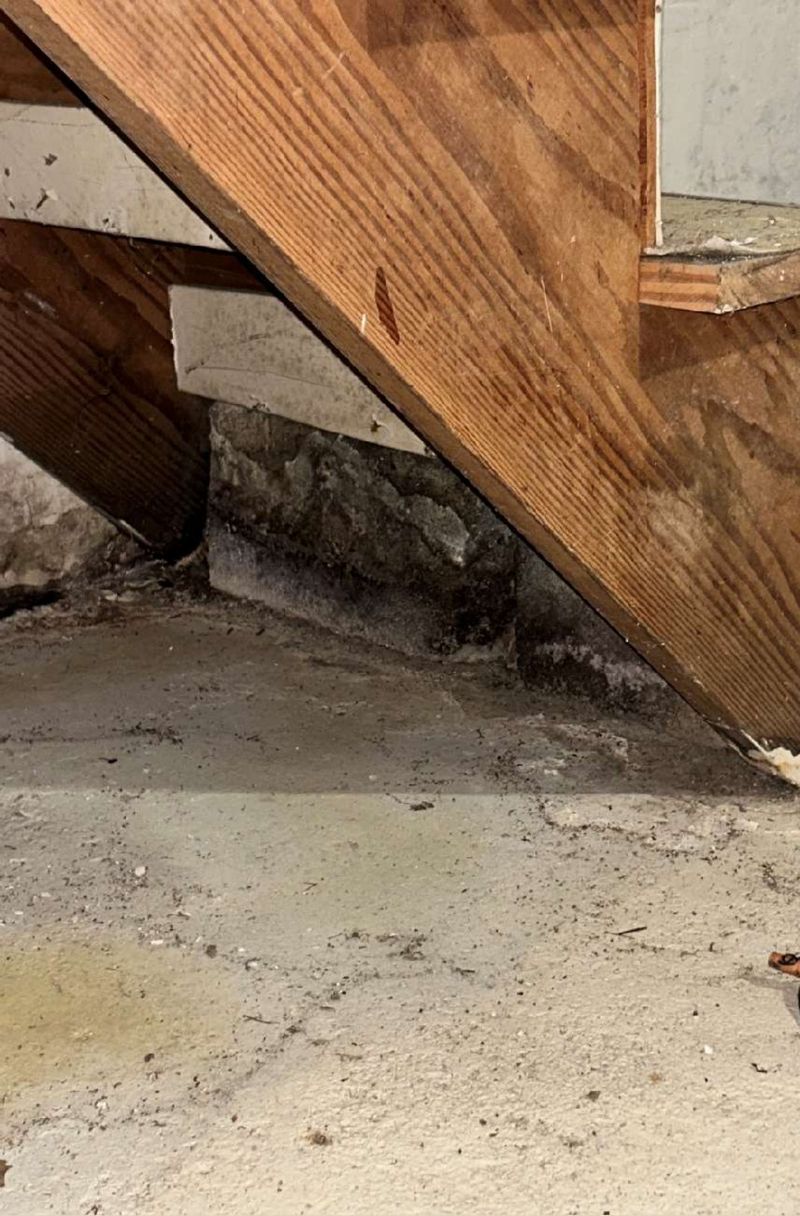
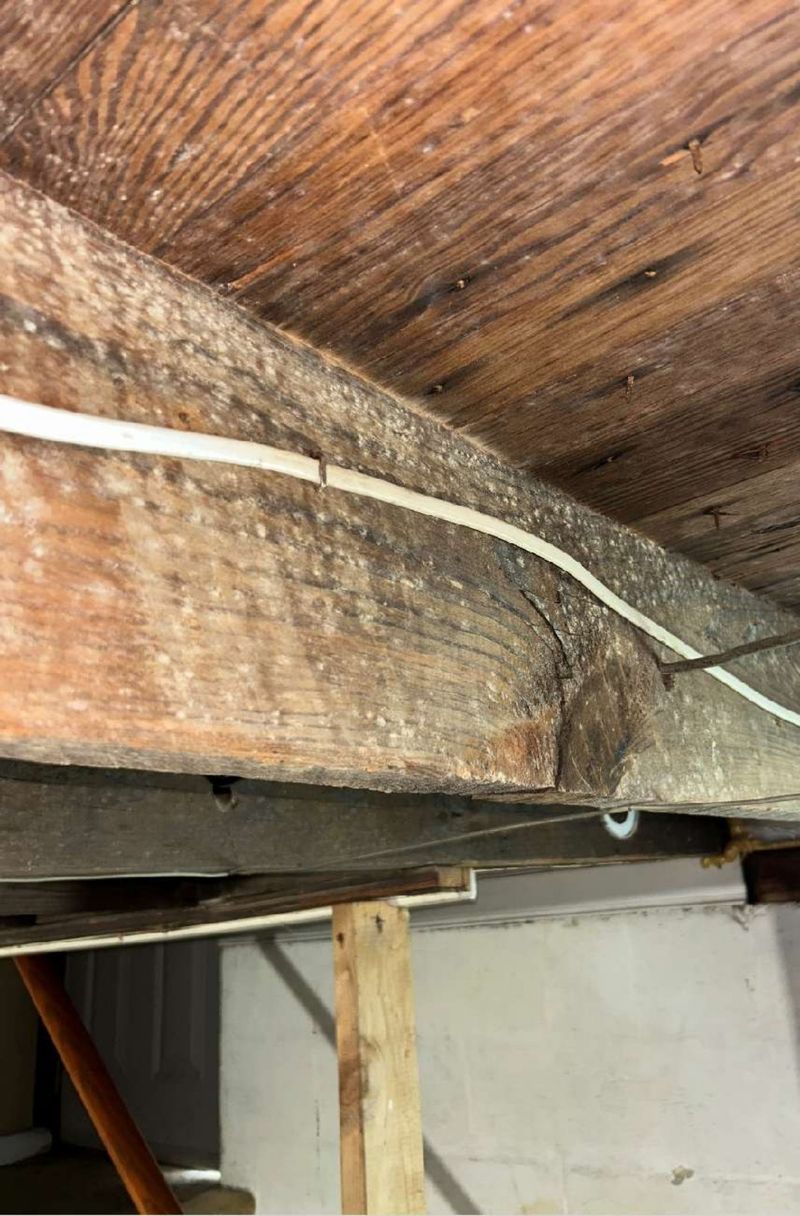
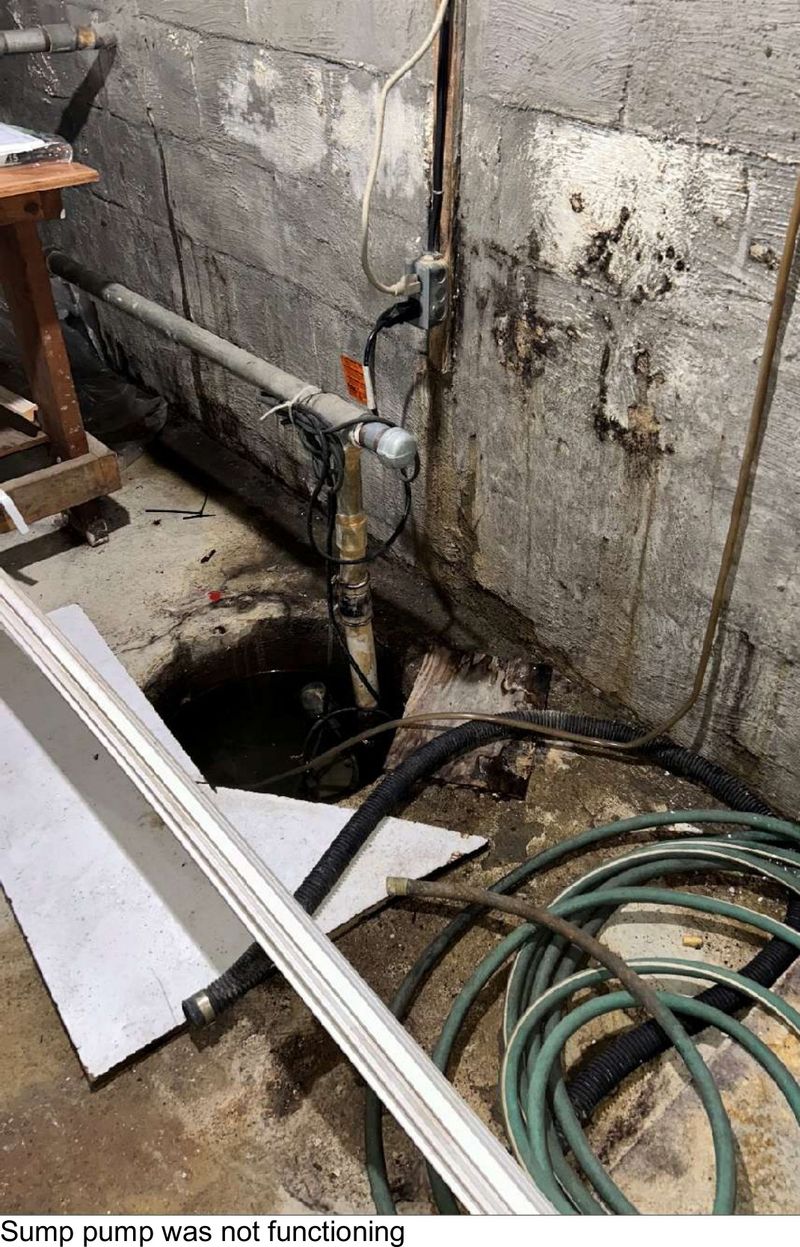
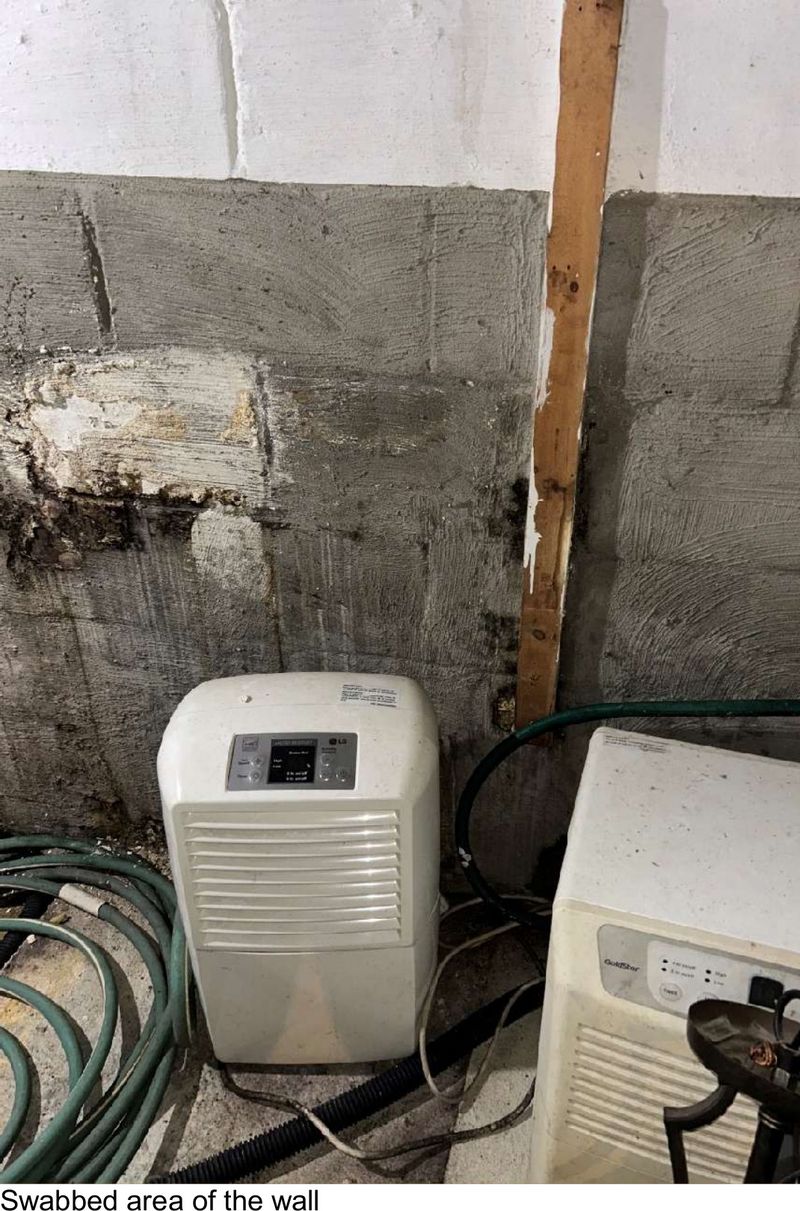
Real findings Bob documented on the job in Haddon Township — the detail that goes in your photo-rich report, delivered within 24 hours.
Why Choose Bob
Why choose All Seasons for mold testing in Haddon Township?
You Always Get Bob
Bob personally collects every sample — no subcontractors, no unknown technicians. You know exactly who's in your Haddon Township home.
PRO-LAB Certified Lab
Every sample is analyzed by a PRO-LAB certified laboratory — the gold standard in environmental testing. You get real science, not guesswork.
No Conflict of Interest
All Seasons tests and reports — we never perform remediation. Every finding is completely objective. Bob's only job is giving you the truth about your home's air.
Early to mid-20th century Expertise
Bob has deep experience with 1920s–1940s construction — homes built with real craftsmanship but aging infrastructure. He knows the common failure points: clay laterals, layered electrical upgrades, oil-to-gas conversions, and plaster moisture issues that other inspectors miss.
From the Blog
What should Haddon Township homeowners know about mold?
Get in Touch
How do I schedule a mold test in Haddon Township?
Same-week appointments available throughout South Jersey.
Tell Us About Your Property
Bob returns every call and books your date within 24 hours. Inspections typically scheduled within the week. No spam, no email lists.
Common Questions
What are common mold testing questions in Haddon Township?
Common questions about mold testing in Haddon Township — answered directly.