Mold Inspection & Testing in Lafayette Hill, PA
All Seasons provides professional mold inspection and testing in Lafayette Hill, Montgomery County, PA. PRO-LAB certified lab results in 2-3 days with clear interpretation. Owner-operator Bob personally collects every sample — 20+ years experience, no conflict of interest. Starting from $290. Call 610-348-6728 for a free estimate.
Lafayette Hill, Montgomery County, PA
How does mold testing work in Lafayette Hill?
Lafayette Hill occupies the southeastern corner of Whitemarsh Township in Montgomery County, sitting on the high ground between Germantown Pike and Ridge Pike where the land slopes down toward the Wissahickon Creek and its tributary streams. The community grew up alongside Chestnut Hill and Flourtown, and its housing reflects two distinct waves of construction layered on the same terrain. The older homes are stone colonials and fieldstone farmhouses dating to the early decades of the twentieth century, built from the schist quarried throughout this part of the county. Around them, the much larger postwar wave filled in during the 1950s, 1960s, and 1970s as Whitemarsh Township developed into a settled suburb, producing brick and frame split-levels, ranches, and two-story colonials on the wooded lots that define most of the area today. That mix of pre-war stone and mid-century tract construction sets the moisture profile for the whole community. The fieldstone and stone-veneer foundations under the older houses wick groundwater directly through the masonry, because stone and the lime mortar between it hold and release water in ways poured concrete never does. The mid-century homes were built on hollow-core concrete block foundations that absorb moisture through their open cells, and many sit on graded lots where the original drainage was never carried far enough from the house. The Wissahickon Creek watershed is the controlling feature. Lafayette Hill drains toward the Wissahickon and the smaller runs that feed it, and the lower-lying sections near those drainage corridors carry a seasonal water table that climbs after sustained rain, pressing groundwater against below-grade walls. Mature trees line nearly every street here, and the clay sewer laterals running beneath them have taken on decades of root intrusion that backs up and saturates sub-slab soil quietly. Plaster-over-lath walls in the older stone houses can hold moisture for months without showing any surface stain. Oil-to-gas furnace conversions, common across both housing waves, frequently left oversized chimney flues that condense and sweat in the mechanical room. And the finished basements added to so many of these homes in the 1970s and 1980s sealed drywall and paneling directly against block and stone, trapping whatever moisture history those walls carried and creating conditions where mold can grow unseen for years.
In Lafayette Hill, the pattern I see most often involves the mid-century homes on the graded lots between Germantown Pike and the Wissahickon drainage, where hollow-core block foundations meet a water table that rises every wet season. The trouble rarely announces itself as standing water. It shows up as elevated humidity readings along the lower courses of block, in the paper facing of drywall hung over those walls during a later basement finish, and in the spore counts on air samples drawn from the finished lower level. The older stone houses tell a different version of the same story: fieldstone foundations and lime mortar absorb groundwater across their whole face, and the plaster walls upstairs can stay damp long after a leak is fixed without a mark to show for it. Clay sewer laterals under the street trees add an organic moisture source when roots intrude and cause intermittent sub-slab backup, which accelerates growth in a way ordinary seepage does not. The limited bathroom ventilation original to both the stone and the early tract homes leaves shower moisture with nowhere to go but the wall cavities and attic. My process is the same on every job. I collect calibrated air samples from every area of concern, I take an outdoor control sample the same day so the laboratory has a true baseline to compare against, and I send everything to a PRO-LAB certified lab with results back in 2-3 business days. I read every report myself before I hand it over, and I explain what it means in plain language rather than leaving you with a table of spore counts. I serve Lafayette Hill alongside neighboring communities including Flourtown. Call 610-348-6728 to schedule.
Why are Lafayette Hill's 1950s–1970s homes at risk for mold?
The split-level and bi-level designs popular from the 1960s–1980s create specific mold risks, particularly in below-grade family rooms, attached garages, and areas where early insulation traps moisture against foundation walls.
Below-grade family rooms with carpet over concrete slab — trapping moisture underneath
Split-level design transitions where water infiltrates at grade-level changes
Early insulation pressed against foundation walls without vapor barriers
Undersized ductwork creating condensation in humid summer conditions
How does Bob test for mold in Lafayette Hill?
Bob follows a systematic approach calibrated to the specific risks of late mid-century and early modern construction in Montgomery County. All sampling protocols follow EPA mold testing guidelines:
Indoor Air Quality Sampling
Bob collects air samples from areas of concern and compares them against outdoor baseline readings. This comparison reveals whether indoor mold levels are elevated beyond what's normal for the environment.
PRO-LAB Certified Lab Analysis
All samples go to a PRO-LAB certified laboratory — the gold standard in environmental testing. Results return in 2-3 business days with a full written interpretation.
Clear Results & Honest Recommendations
Bob walks you through exactly what the lab results mean — no jargon, no panic. If remediation is needed, he'll explain what's involved so you can make informed decisions.
What are common issues in Lafayette Hill homes?
Based on 20+ years testing late mid-century and early modern homes in Montgomery County, these are the issues Bob finds most often:
- Aluminum wiring at outlets and switches creating fire risk at connection points
- Polybutylene plumbing (gray plastic pipe) prone to sudden catastrophic failure
- Federal Pacific or Zinsco electrical panels with breakers that fail to trip
- Below-grade family room moisture from carpet-over-concrete installations
- Undersized HVAC ductwork causing poor airflow and humidity problems
- Inadequate insulation by modern energy standards
Also Available: Home Inspection in Lafayette Hill
In addition to mold testing, Bob provides comprehensive home inspections for Lafayette Hill properties. InterNACHI certified, starting from $325.
Learn About Home Inspection in Lafayette HillSchedule Mold Testing in Lafayette Hill
Same-week appointments available. Bob personally oversees every sample — you always know who's in your home.
610-348-6728Mon–Sat, 7am–7pm
Get a Free EstimateServices Available in Lafayette Hill
- Air Sampling
- Surface / Bulk Sampling
- Visual Mold Assessment
- Pre / Post-Remediation Testing
Mold Testing Pricing
Every property is different. Call Bob for your specific quote — he'll give you an honest number on the spot.
See Full Pricing Details →More Lafayette Hill Pages
Nearby Areas Also Served
Lafayette Hill is one of the Montgomery County communities Bob covers. For the wider picture of how mold testing works across the county, the moisture patterns that repeat here, and every town served, see Mold testing in Montgomery County.
From the Field
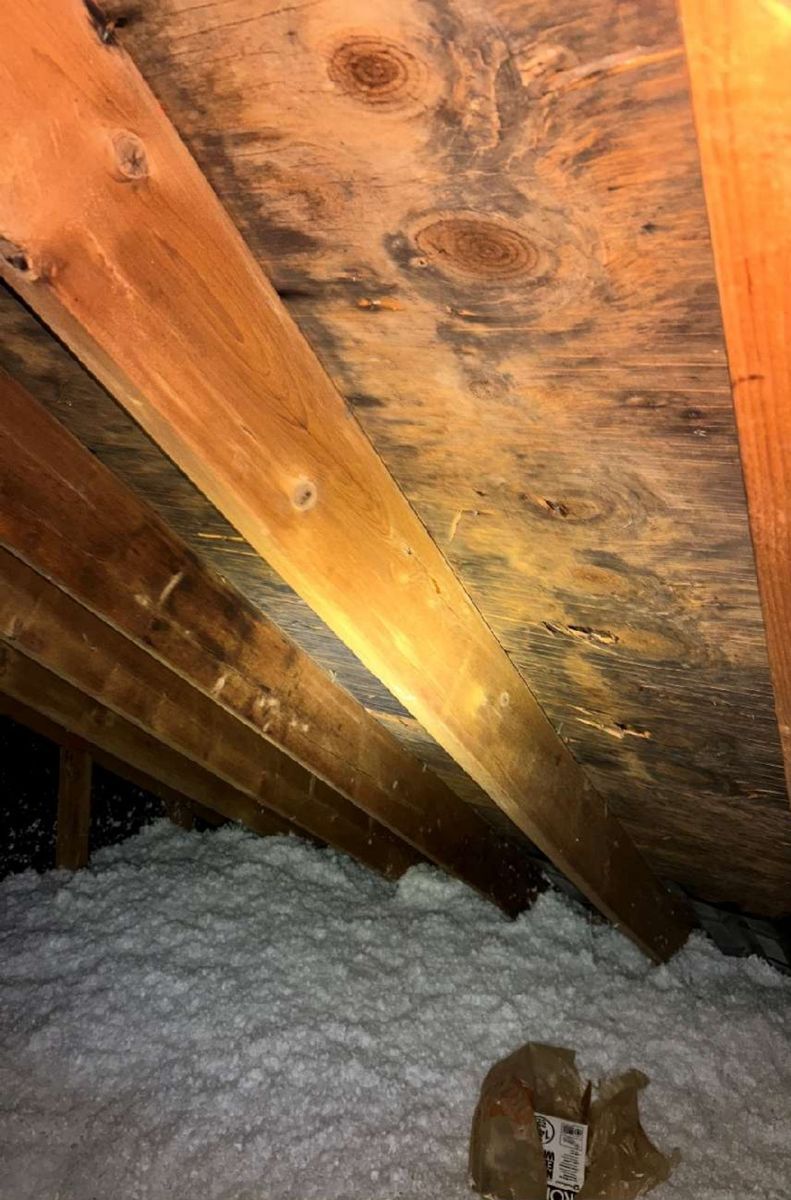
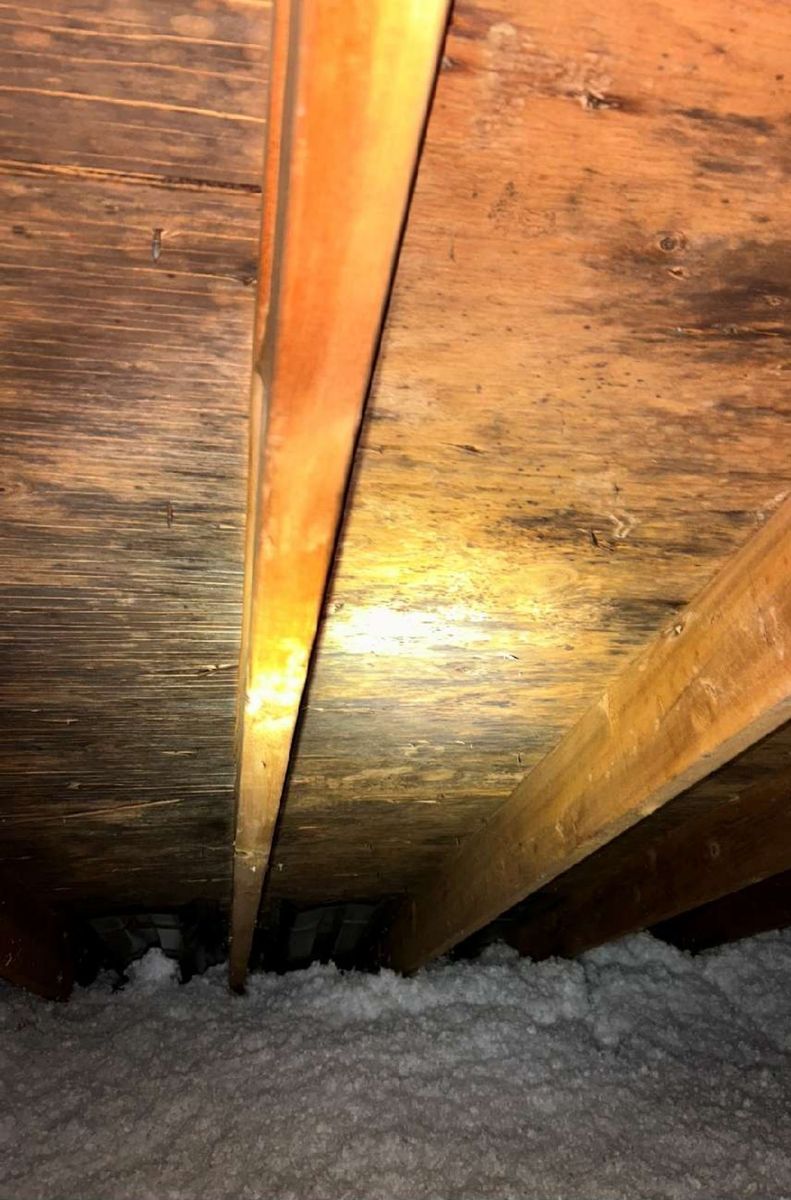
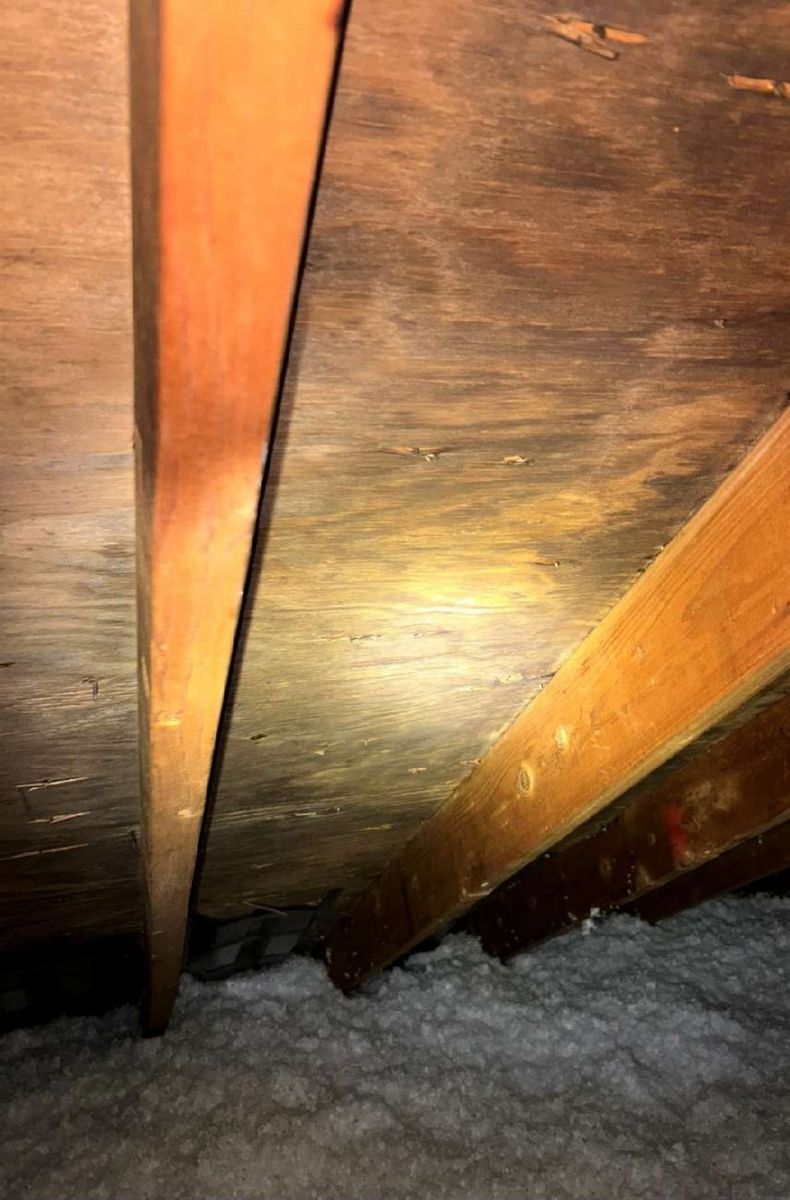
From a recent Lafayette Hill inspection
Real findings Bob documented on the job in Lafayette Hill — the detail that goes in your same-day, photo-rich report.
Why Choose Bob
Why choose All Seasons for mold testing in Lafayette Hill?
You Always Get Bob
Bob personally oversees every sample — no subcontractors, no unknown technicians. You know exactly who's in your Lafayette Hill home.
PRO-LAB Certified Lab
Every sample is analyzed by a PRO-LAB certified laboratory — the gold standard in environmental testing. You get real science, not guesswork.
No Conflict of Interest
All Seasons tests and reports — we never perform remediation. Every finding is completely objective. Bob's only job is giving you the truth about your home's air.
Late mid-century and early modern Expertise
Bob knows the specific failure points of 1960s–1980s construction — aluminum wiring connections, polybutylene plumbing, FPE panels, and the split-level moisture traps that define this era. He's seen how these homes age and knows which issues are cosmetic and which are safety concerns.
From the Blog
What should Lafayette Hill homeowners know about mold?
Get in Touch
How do I schedule a mold test in Lafayette Hill?
Same-week appointments available throughout the Philadelphia region.
Tell Us About Your Property
Bob returns every call within 24 hours. Inspections typically scheduled within the week. No spam, no email lists.
Common Questions
What are common mold testing questions in Lafayette Hill?
Common questions about mold testing in Lafayette Hill — answered directly.