Mold Inspection & Testing in Pottstown, PA
All Seasons provides professional mold inspection and testing in Pottstown, Montgomery County, PA. PRO-LAB certified lab results in 2-3 days with clear interpretation. Owner-operator Bob personally collects every sample — 20+ years experience, no conflict of interest. Starting from $290. Call 610-348-6728 for a free estimate.
Pottstown, Montgomery County, PA
How does mold testing work in Pottstown?
Pottstown is an older industrial borough on the northern bank of the Schuylkill River at the western edge of Montgomery County, and its housing stock reflects the iron and steel economy that filled the town with workers from the 1880s through the middle of the twentieth century. High Street runs the length of the borough as the main commercial spine, and the residential grid that climbs north from the river toward King Street and Hanover Street is packed tight with brick rowhomes, masonry twins, and detached frame and brick singles built almost continuously from the 1890s through the 1940s. Manatawny Creek enters the borough from the north and empties into the Schuylkill near the western end of town, and the low ground along both the creek and the river floodplain has shaped where moisture problems concentrate. Foundations across this older stock are mostly fieldstone, brick, or hollow-core concrete block, all of which wick groundwater far more readily than poured concrete, and the seasonal water table near the Manatawny and the Schuylkill rises enough after sustained rain to push hydrostatic pressure against below-grade walls throughout the lower neighborhoods. The construction methods of the era compound the problem in predictable ways. Plaster-over-lath interior walls hold moisture for long stretches without producing any visible surface stain, so a wall that looks sound can be quietly damp behind the finish for months. Bathroom and kitchen ventilation in homes of this age was minimal or absent by current standards, leaving shower and cooking moisture to migrate into wall cavities, attic framing, and any cool surface it can reach. Clay sewer laterals running from these rowhomes out to the borough mains are original in many cases, and after a century beneath mature street trees they have accumulated root intrusion and bellied sections that back up and saturate sub-slab areas without obvious warning. Oil-to-gas furnace conversions, which swept through Pottstown's working housing as fuel oil prices climbed, frequently left oversized chimney flues that condense and corrode at the liner. Layer on top of all this the finished basements that owners added during the 1970s and 1980s, where drywall and paneling went up directly against fieldstone and block that had already been managing moisture for decades, and you have the conditions in which mold can grow and persist out of sight for years. None of this means a Pottstown home is a bad buy. It means the housing here rewards a careful, moisture-aware look before you commit.
In Pottstown, the pattern I see most often involves the brick and masonry twins on the residential blocks climbing north from the river, particularly the homes sitting on fieldstone or hollow-core block foundations within a few blocks of the Manatawny Creek corridor. The combination of porous foundation masonry and the elevated seasonal water table near the creek and the Schuylkill floodplain creates persistent moisture cycling in the basement even when the space reads as dry to the owner. It rarely announces itself as standing water. It shows up as elevated humidity readings on below-grade walls, in the paper facing of drywall hung over stone or block in a later renovation, and in the spore counts on air samples drawn from finished lower levels. Clay sewer laterals on many of these older blocks carry root intrusion that causes intermittent sub-slab backup, and that organic moisture source drives mold growth harder than ordinary foundation seepage does. Plaster walls elsewhere in the home can stay damp for months with nothing visible on the surface, and the limited original bathroom ventilation makes attic bays and wall cavities near bathrooms reliable secondary trouble spots. My process is consistent on every job: I collect calibrated air samples from every area of concern in the home, I take an outdoor baseline sample the same day so the laboratory comparison reflects real indoor elevation rather than ambient spore counts, and I send everything to a PRO-LAB certified laboratory with results back in 2-3 business days. I review every report myself before I hand it over, and I explain what it means in plain language rather than leaving you with a table of numbers. I serve Pottstown alongside neighboring communities including Limerick. Call 610-348-6728 to schedule.
Why are Pottstown's 1890s–1940s homes at risk for mold?
Pre-1920 homes are among the highest-risk properties for mold growth due to stone foundations that wick moisture, lime mortar joints that crack over time, and original drainage systems that predate modern waterproofing.
Porous stone foundations with no vapor barrier allowing constant moisture migration
Original clay drainage tiles that crack and clog, directing water toward the foundation
Lime mortar repointing gaps that create moisture entry points
Unventilated basement spaces with earth or deteriorating concrete floors
How does Bob test for mold in Pottstown?
Bob follows a systematic approach calibrated to the specific risks of late 19th and early 20th century construction in Montgomery County. All sampling protocols follow EPA mold testing guidelines:
Indoor Air Quality Sampling
Bob collects air samples from areas of concern and compares them against outdoor baseline readings. This comparison reveals whether indoor mold levels are elevated beyond what's normal for the environment.
PRO-LAB Certified Lab Analysis
All samples go to a PRO-LAB certified laboratory — the gold standard in environmental testing. Results return in 2-3 business days with a full written interpretation.
Clear Results & Honest Recommendations
Bob walks you through exactly what the lab results mean — no jargon, no panic. If remediation is needed, he'll explain what's involved so you can make informed decisions.
What are common issues in Pottstown homes?
Based on 20+ years testing late 19th and early 20th century homes in Montgomery County, these are the issues Bob finds most often:
- Knob-and-tube wiring still energized behind walls and under blown insulation
- Stone foundation moisture intrusion and mortar joint deterioration
- Lead paint on original trim, windows, and exterior surfaces
- Gas pipe conversions from original coal or oil systems with improper venting
- Original clay sewer laterals with root intrusion and bellied sections
- Aging slate or clay tile roofs with deteriorating flashing
Also Available: Home Inspection in Pottstown
In addition to mold testing, Bob provides comprehensive home inspections for Pottstown properties. InterNACHI certified, starting from $325.
Learn About Home Inspection in PottstownSchedule Mold Testing in Pottstown
Same-week appointments available. Bob personally collects every sample — you always know who's in your home.
610-348-67287 days, 7am–midnight
Get a Free EstimateServices Available in Pottstown
- Air Sampling
- Surface / Bulk Sampling
- Visual Mold Assessment
- Pre / Post-Remediation Testing
Mold Testing Pricing
Every property is different. Call Bob for your specific quote — he'll give you an honest number on the spot.
See Full Pricing Details →More Pottstown Pages
Nearby Areas Also Served
Pottstown is one of the Montgomery County communities Bob covers. For the wider picture of how mold testing works across the county, the moisture patterns that repeat here, and every town served, see Mold testing in Montgomery County.
From the Field
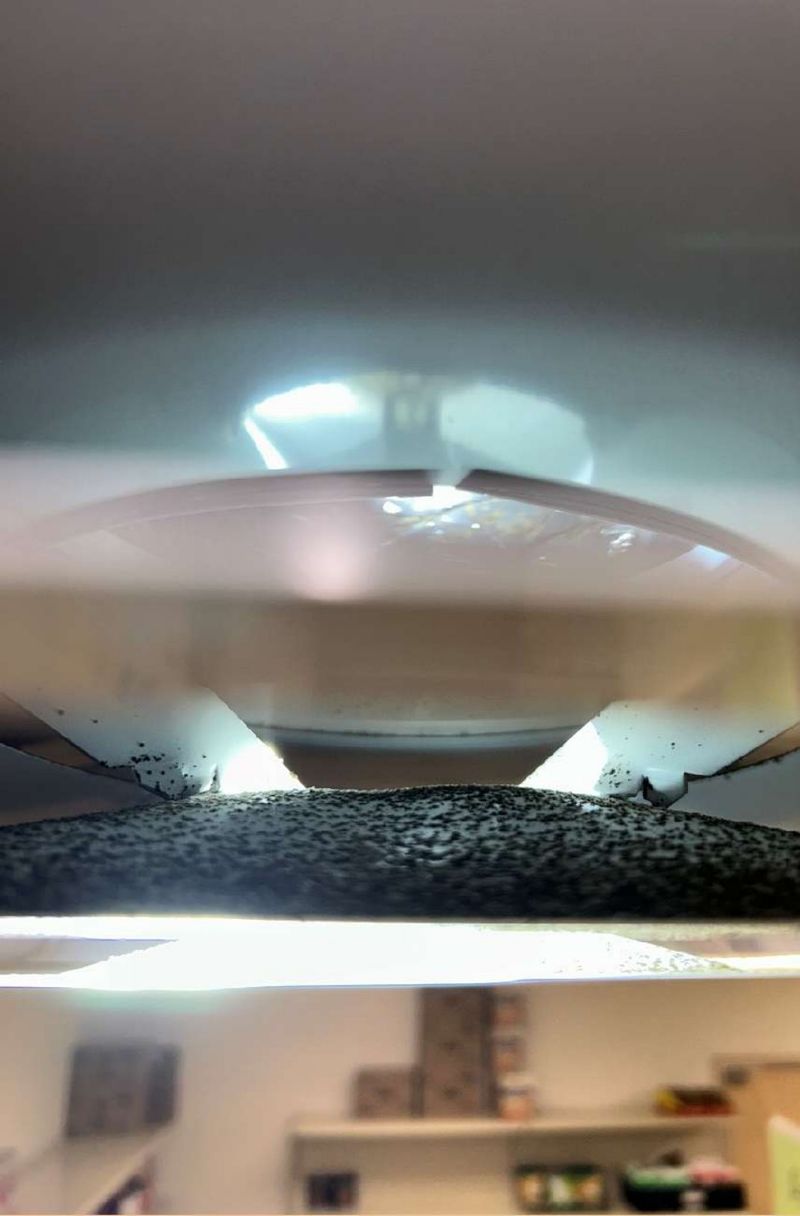
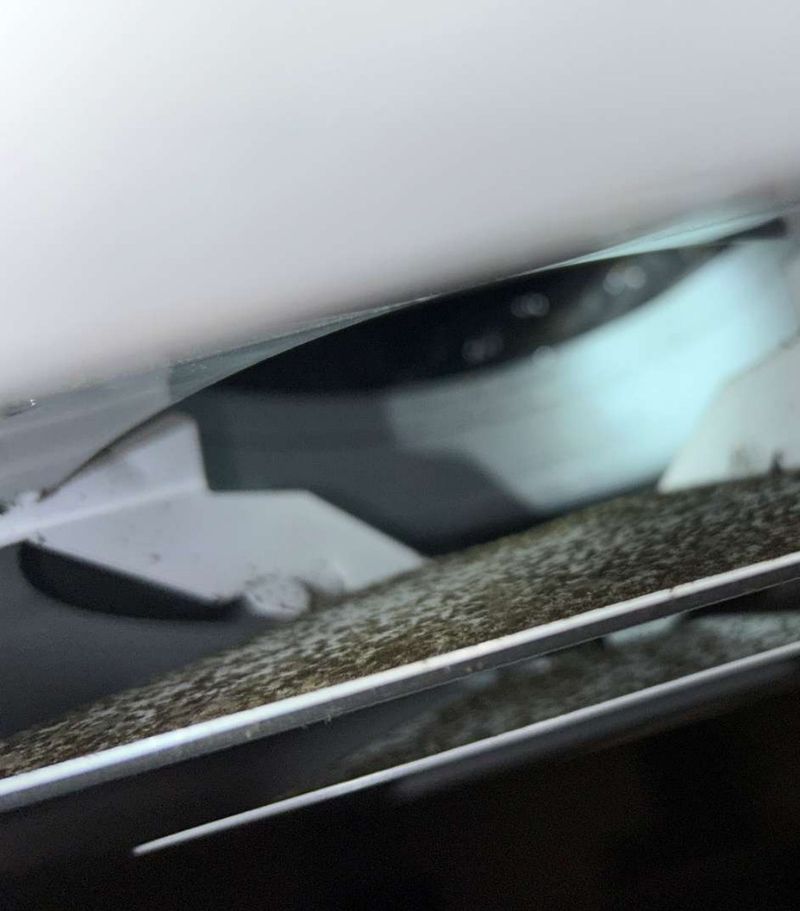
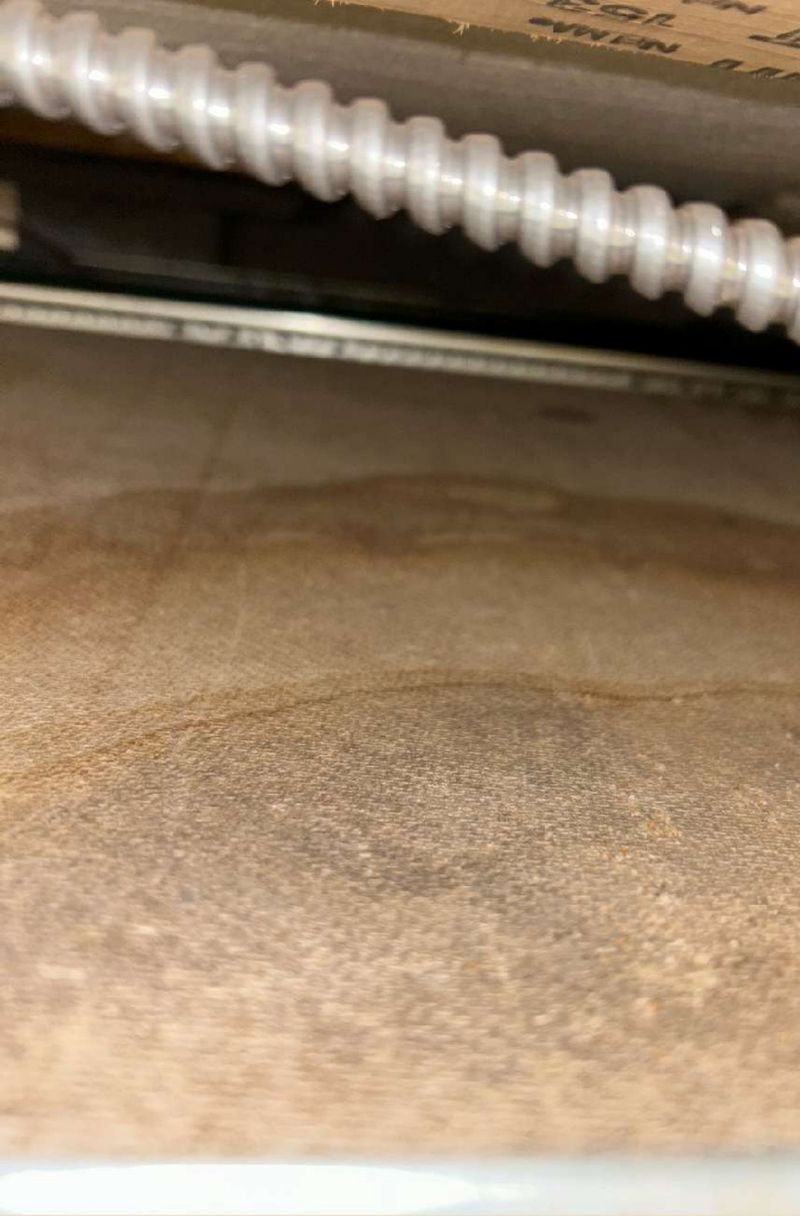
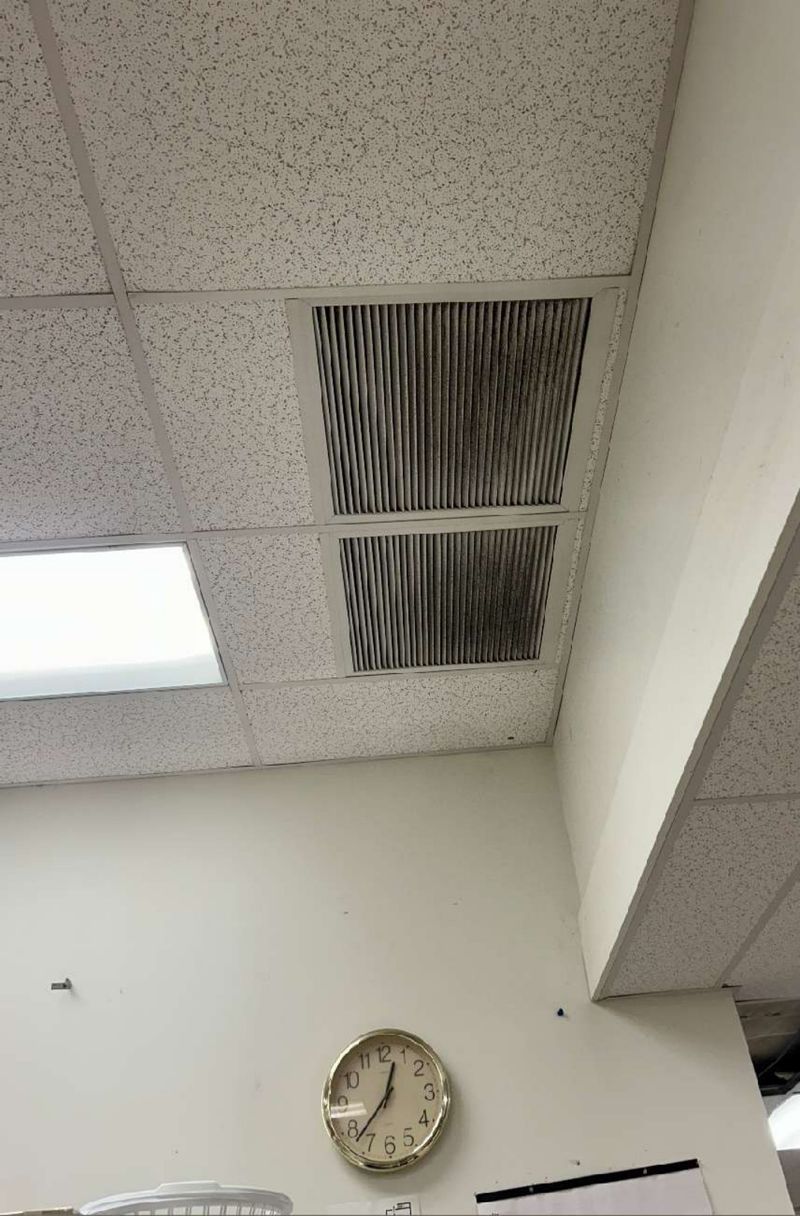
From a recent Pottstown inspection
Real findings Bob documented on the job in Pottstown — the detail that goes in your photo-rich report, delivered within 24 hours.
Why Choose Bob
Why choose All Seasons for mold testing in Pottstown?
You Always Get Bob
Bob personally collects every sample — no subcontractors, no unknown technicians. You know exactly who's in your Pottstown home.
PRO-LAB Certified Lab
Every sample is analyzed by a PRO-LAB certified laboratory — the gold standard in environmental testing. You get real science, not guesswork.
No Conflict of Interest
All Seasons tests and reports — we never perform remediation. Every finding is completely objective. Bob's only job is giving you the truth about your home's air.
Late 19th and early 20th century Expertise
Bob has inspected pre-1920 homes across the Philadelphia region for more than 20 years and understands their unique construction — from rubble stone foundations to knob-and-tube wiring to original slate roofs. He knows where these homes hide problems and what's normal aging versus what needs immediate attention.
From the Blog
What should Pottstown homeowners know about mold?
Get in Touch
How do I schedule a mold test in Pottstown?
Same-week appointments available throughout the Philadelphia region.
Tell Us About Your Property
Bob returns every call and books your date within 24 hours. Inspections typically scheduled within the week. No spam, no email lists.
Common Questions
What are common mold testing questions in Pottstown?
Common questions about mold testing in Pottstown — answered directly.